

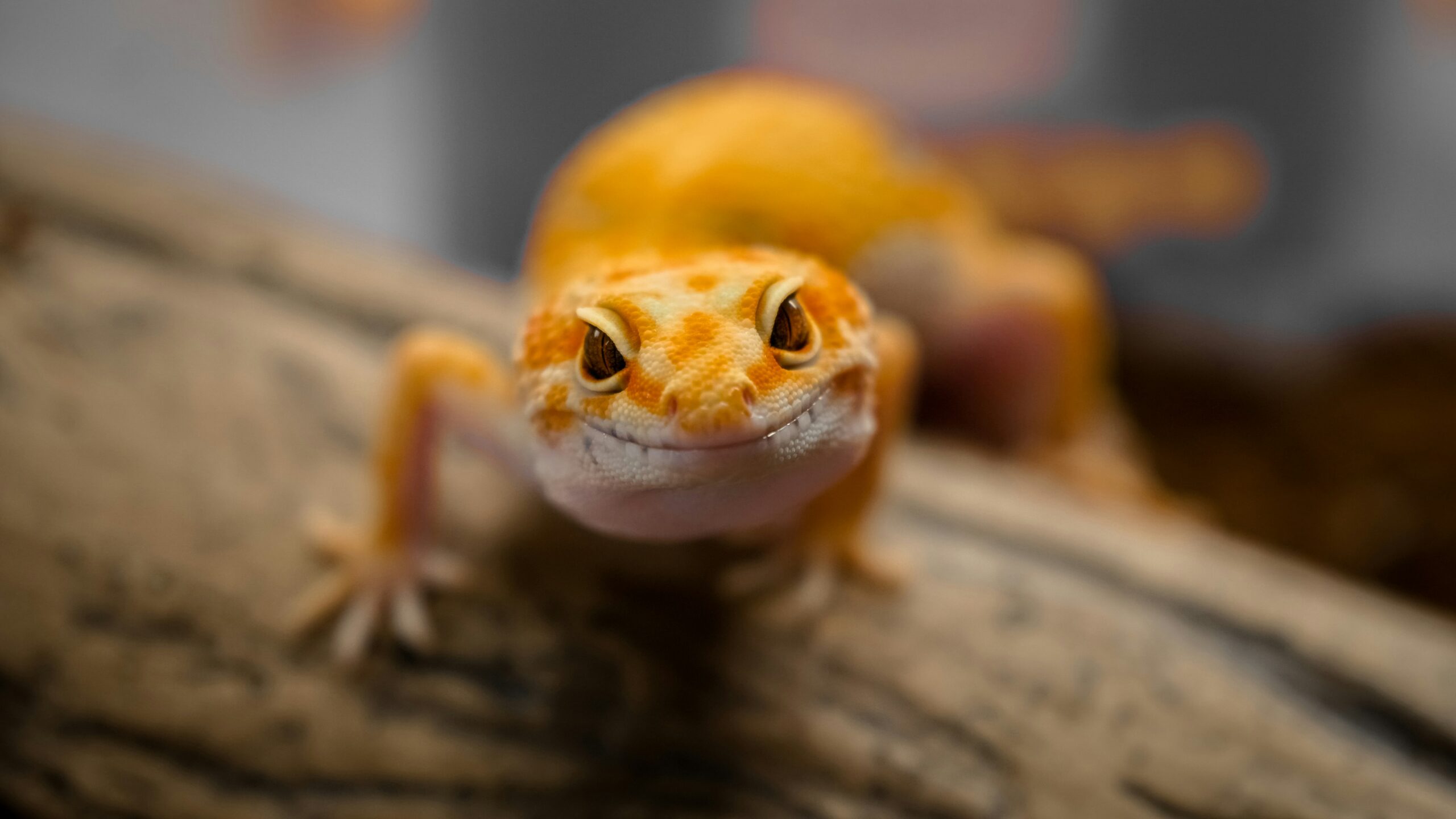
Basic Info / 基本情報
|
項目 |
English |
日本語 |
|---|---|---|
|
記念日名 |
World Lizard Day |
世界トカゲの日 |
|
日付 |
August 14 (Annual) |
8月14日(毎年) |
|
制定者・制定年 |
Undocumented; no verified founder or founding year |
記録なし。制定者・制定年ともに確証を欠く |
|
主な担い手 |
Schools, zoos, museums, reptile enthusiasts, online communities |
学校、動物園、博物館、爬虫類愛好家、オンラインのコミュニティ |
|
主な焦点 |
Appreciation and responsible reptile keeping, more than wild conservation |
野生保護よりも、正しい理解と責任あるペット飼育 |
|
種の多様性 |
Over 6,000 lizard species (order Squamata) |
6,000種を超える(有鱗目) |
|
カテゴリ |
Reptiles / Education / Pet Care / Biodiversity / Awareness |
爬虫類 / 教育 / ペットケア / 生物多様性 / 啓発 |
Introduction: A Day Without an Author
はじめに:「作者」のいない記念日
[English]
August 14 is World Lizard Day—but unlike many observances on the calendar, this one arrives with a caveat attached. It has no verified founder, no documented founding year, and no proclamation from any government or major conservation body standing behind it. It is, in the fullest sense, a grassroots day: one that grew from the enthusiasm of schools, zoos, reptile keepers, and online communities rather than from an institution. That modest, uncertain origin is worth stating plainly rather than papering over, because it is part of what the day actually is. What World Lizard Day lacks in official pedigree it makes up for in a clear, useful purpose—to invite people to look more closely, and more kindly, at a group of animals often met with a flinch: the roughly 6,000 species of lizard that share nearly every landmass on earth.
[日本語]
8月14日は「世界トカゲの日」です。けれど、カレンダー上の多くの記念日と違って、この日には一つの但し書きが付いてきます。確かめられた制定者はおらず、制定年の記録もなく、政府や大規模な自然保護団体がその背後に立っているわけでもありません。これは、もっとも本来的な意味での「草の根の日」なのです。どこかの機関からではなく、学校、動物園、爬虫類を飼う人々、そしてオンラインのコミュニティの熱意から育っていった日――。この慎ましく、不確かな出自は、取り繕うよりも、はっきりと述べておく価値があります。なぜなら、それこそがこの日の「正体」の一部だからです。世界トカゲの日は、公式な由緒には欠けるかもしれません。けれど、その代わりに、明快で有用な目的を持っています。しばしば思わず身を引いてしまうような一群の動物を、もっと近くから、もっとやさしく見つめてみよう、と誘うこと――地球上のほぼすべての大地を分かち合う、およそ6,000種のトカゲたちを。
Uncertain Origins: What We Can and Cannot Say
不確かな由来:言えること、言えないこと
[English]
Honesty requires separating what is documented from what is merely repeated. Several origin stories circulate: that World Lizard Day was started around 2009 by American reptile enthusiasts; that it has been marked in some form since the 1990s; that its date honors the American herpetologist and conservationist Archie Carr (1909–1987), famed above all for his work on sea turtles. None of these accounts is backed by solid, verifiable records, and the reputable sites that catalog such observances openly admit the origin is “unclear.” So the responsible summary is simple: we do not reliably know who created World Lizard Day, when, or why August 14 was chosen. What can be said with confidence is how it spreads—not through a central campaign, but locally and online, carried each year by educators and hobbyists who use the hashtag and the occasion to share what they love.
[日本語]
誠実であろうとするなら、「記録されていること」と「ただ繰り返されているだけのこと」を、切り分けなければなりません。いくつかの由来の物語が流布しています。世界トカゲの日は2009年頃にアメリカの爬虫類愛好家たちによって始められた、という説。1990年代から何らかの形で祝われてきた、という説。そしてその日付は、とりわけウミガメの研究で名高いアメリカの爬虫類学者・自然保護活動家、アーチー・カー(1909–1987)にちなんでいる、という説。けれど、これらのどの説も、確かで検証可能な記録に裏づけられてはいません。記念日を紹介する信頼できるサイト自身が、その由来は「はっきりしない」と率直に認めているほどです。ですから、責任ある要約は、いたってシンプルです。私たちは、誰が、いつ、なぜ8月14日を選んで世界トカゲの日を作ったのかを、確かなこととしては知らない――。確信を持って言えるのは、この日が「どう広まってきたか」の方です。中央集権的なキャンペーンによってではなく、地域で、そしてオンラインで。毎年、教育者や愛好家たちが、ハッシュタグとこの機会を使って、自分たちの愛するものを分かち合うことによって、運ばれてきたのです。
What the Day Actually Does: From Fear to Familiarity
この日が実際に担うもの:恐れから、親しみへ
[English]
If the day’s origin is hazy, its function is not. World Lizard Day works, in practice, as an educational and attitudinal one—aimed less at wilderness policy than at the everyday relationship between people and reptiles. Lizards are among the most misunderstood animals, frequently met with unease or dislike, and much of the day’s energy goes toward replacing that flinch with familiarity: teaching what lizards are, how they live, and why they matter. Its focus also leans distinctively toward responsible pet ownership. In the United States alone, millions of households keep a lizard, and the day is widely used by pet stores, keepers, and rescues to talk about proper care—appropriate habitats, heat and lighting, diet, and the serious commitment a reptile represents—as well as the risks of impulse buying and abandonment. It is, in that sense, a day about stewardship at the scale of a single terrarium.
[日本語]
その由来は霞んでいても、この日の「機能」は霞んでいません。世界トカゲの日は、実際には、教育的で、そして人々の「態度」に働きかける日として作用しています。原生地の保護政策というよりも、人と爬虫類とのあいだの、日々の関係に向けられているのです。トカゲは、もっとも誤解されている動物のひとつであり、しばしば不安や嫌悪をもって迎えられます。この日のエネルギーの多くは、その「思わず身を引く反応」を、親しみへと置き換えることに注がれます。トカゲとは何か、どのように生き、なぜ大切なのかを伝えることによって。その焦点はまた、際立って「責任あるペット飼育」の方へと傾いています。アメリカだけでも、数百万の世帯がトカゲを飼っており、この日はペットショップや飼い主、保護団体によって広く、適切なケアについて語るために使われます。ふさわしい飼育環境、温度と照明、餌、そして一匹の爬虫類が意味する重い責任――さらには、衝動買いや遺棄のリスクについても。その意味でこの日は、たった一つのテラリウムという規模における「世話をすること(スチュワードシップ)」の日なのです。
Why Lizards Matter: Small Animals, Large Roles
なぜトカゲが大切か:小さな動物、大きな役割
[English]
Beyond the terrarium, lizards earn their day ecologically. With over 6,000 species spread across every continent except Antarctica, they occupy an enormous range of habitats—deserts, forests, grasslands, mountains, wetlands, and cities alike. In those ecosystems they do quiet, essential work: as predators they help control insect and other small-animal populations, and as prey they feed birds, snakes, mammals, and larger reptiles, sitting squarely in the middle of countless food webs. They are also biologically extraordinary. Many can shed and regrow a tail through a process called autotomy; geckos climb sheer glass using microscopic toe structures; chameleons shift color and swivel their eyes independently. Appreciating lizards, the day suggests, is not sentimentality—it is recognizing animals that have persisted for more than 200 million years and still hold ecosystems together, often unseen, right outside our doors.
[日本語]
テラリウムの外でも、トカゲはその記念日を、生態学的に十分に値するものにしています。南極を除くすべての大陸にまたがる6,000種を超える多様性をもって、彼らは途方もない範囲の生息環境を占めています。砂漠、森林、草原、山地、湿地、そして都市までも、等しく。そうした生態系のなかで、彼らは静かで、欠かせない仕事をしています。捕食者としては、昆虫やその他の小動物の個体数を抑えるのを助け、被食者としては、鳥、ヘビ、哺乳類、そしてより大きな爬虫類の糧となり――無数の食物網の、まさに真ん中に位置しているのです。彼らはまた、生物としても並外れています。多くは「自切(autotomy)」と呼ばれる仕組みによって尾を切り離し、また生やすことができ、ヤモリは微細な足の構造を使ってつるつるのガラスを登り、カメレオンは体の色を変え、左右の目を別々に動かします。トカゲを愛でることは、感傷ではない――この日はそう語りかけます。それは、2億年以上ものあいだ生き延び、いまなお、しばしば人目に触れないまま、私たちの戸口のすぐ外で生態系をつなぎとめている動物たちを、正しく認めることなのです。
Related Review / 関連レビュー
🔗 English Review ・[World Lizard Day] A Chameleon Western, and a Fable of Vanishing Water
🔗 日本語レビュー ・【世界トカゲの日】カメレオンの西部劇と、枯れゆく水の寓話