
Choose Your Language / 言語を選択:
Introduction
Civilization’s End Told in Yucatec Maya — Historical Adventure Epic Questioning Language and Culture Dignity
February 21 is “International Mother Language Day” established by UNESCO.
This international day established 1999 commemorating 1952 February 21 language movement victims in Bangladesh (then East Pakistan). Then, students with Bengali mother tongue protested policy making only Urdu official language, police shooting caused many casualties. This tragic incident appealed worldwide importance respecting linguistic-cultural identity, annually since 2000 this day, activities protecting language-culture diversity, promoting multilingualism conducted worldwide.
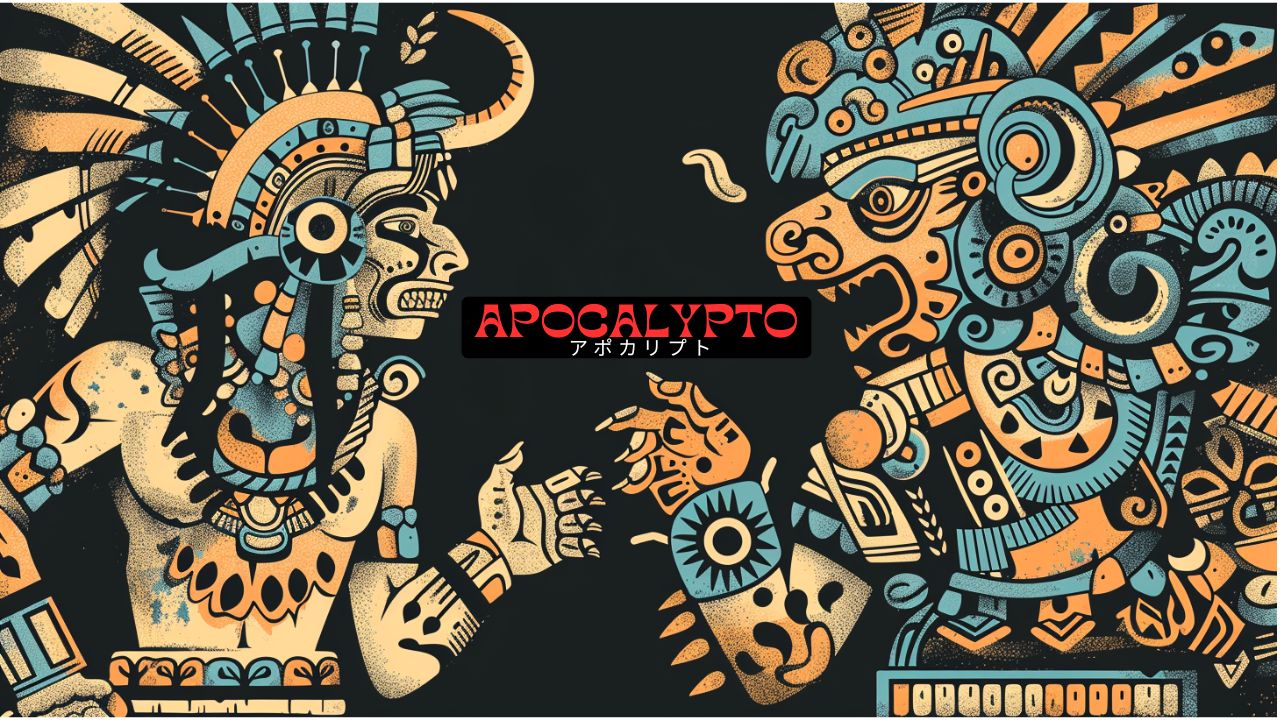
For this special day, strongly recommending Mel Gibson’s 2006 Apocalypto. This work historical adventure epic produced through groundbreaking attempt where entire film told solely in Yucatec Maya, endangered language, set during Maya civilization decline period.
However, important caution exists. This work contains extremely violent depictions. As Rotten Tomatoes critics consensus states “relentlessly bloody yet brilliant vivid depiction of once-great civilization,” human sacrifice rituals, pursuit massacre, battle scenes continue with raw cruel imagery. However, violence depiction not mere spectacle but deeply connected with themes: civilization collapse, power corruption, human dignity. Viewing requires resolve, but beyond awaits deep insight about language-culture dignity.
Story depicting one hunter Jaguar Paw’s harsh survival transcends mere action film, powerfully depicting themes deeply related to International Mother Language Day ideals: language-culture as human identity foundation, disappearing language dignity amid civilization rise-fall, mother tongue wisdom-tradition value. Realized through Mel Gibson’s thorough cultural research and bold casting choice using all indigenous actors, this work deeply impresses audiences with endangered language-culture importance.
Basic Information & Synopsis
→ For synopsis and production information, see our Database Article
Director: Mel Gibson
Year: 2006
Runtime: 139 minutes
Production: Icon Productions, Touchstone Pictures
Commemorative Day: International Mother Language Day (February 21)
Content Warning: Contains extreme violence including human sacrifice, graphic combat scenes
Background Knowledge
International Mother Language Day Historical Background
International Mother Language Day established commemorating 1952 February 21 Dhaka “language movement” tragedy. Then, Pakistan government promoted policy making only Urdu national language, Bengali speaker majority protested demonstration. Police shooting killed many students.
This incident accelerated Bengali official language movement, finally 1956 Bengali recognized as official language. 1999, UNESCO established this day as International Mother Language Day, appealing worldwide language diversity protection, mother language education promotion importance.
Maya Civilization Period Classification and 1511 Setting
Film Apocalypto set 1511 Yucatan Peninsula. This year extremely important transition period in Maya civilization history.
Maya Civilization Period Classification:
- Preclassic Period: 2000 BCE – 250 CE (First cities formed, writing system developed)
- Classic Period: 250 – 900 CE (Maya civilization golden age, Tikal/Calakmul/Palenque/Copan major cities prospered, estimated population 5-10 million)
- Classic Maya Collapse: 9th century (Central lowland major cities successively abandoned)
- Postclassic Period: 900 – 1697 CE (Power shift to northern Yucatan, Chichen Itza/Mayapan rose, 1448 Mayapan abandoned, Yucatan Peninsula divided into multiple independent small states)
- Contact Period: 1511 – 1697 CE (1511: Spanish ship wrecked, survivors drifted to Yucatan coast—film setting, 1697: Last Maya kingdom Nojpeten conquered by Spain, Maya civilization officially ended)
1511 Historical Situation:
Film-set 1511 was year Spanish first set foot in Maya region. This year, Spanish caravel heading Jamaica to Panama wrecked in Caribbean, approximately dozen survivors drifted to Yucatan Peninsula coast.
Captured by Maya lords, most killed as human sacrifices, but 2 escaped successfully. This event was Europe-Maya civilization first contact, prelude to full-scale Spanish invasion beginning 6 years later 1517.
“Apocalypto” Title Meaning
Coined word “Apocalypto” derives from Greek “apocalypsis” (revelation). Not commonly meaning “world’s end” apocalypse, but Mel Gibson chose title meaning “new beginning” “truth revelation.”
Film opening quotes Will Durant’s words—”Great civilizations not conquered externally. They collapse internally from within”—showing this title’s true intent.
What Makes It Exceptional
Linguistic Cultural Authenticity Pursuit
Yucatec Maya Linguistic Challenge
This work’s most groundbreaking aspect is entire film told in Yucatec Maya. Yucatec Maya is language spoken by approximately 800,000 people around Yucatan Peninsula Mexico even today, but one endangered language under Spanish pressure.
Mel Gibson director obtained linguist Lisa Lucero’s cooperation, conducted thorough language training for actors. About this decision, Gibson explained:
“Hearing different language makes audience completely suspend own reality, drawn into film world. And most importantly, this emphasizes visual imagery. Vision is mind’s universal language.”
Audiences can immerse into Maya people’s worldview through subtitles. Mother tongue words contain cultural nuances and emotional depth lost in translation, characters’ humanity more richly expressed.
Maya Indigenous Actors’ Overwhelming Performances
Casting also this work’s major strength. Lead Rudy Youngblood including, almost all actors descended from Maya and other Mesoamerican indigenous peoples, many acting inexperienced.
Actors’ Origins:
- Rudy Youngblood (Jaguar Paw): American indigenous descent from Comanche, Cree, Yaqui tribes
- Dalia Hernández (Seven): Mexican indigenous descent
- Raoul Trujillo (Zero Wolf): Ute, Apache tribe actor
- Morris Birdyellowhead (Flint Sky): American indigenous
This “amateur” casting inversely heightened role authenticity. Natural movements-expressions of forest-living people, hunting technique physicality unachievable by urban actors support entire film reality. Rudy Youngblood playing Jaguar Paw’s wild charm, Morris Birdyellowhead playing father Flint Sky’s dignified performance particularly impressive.
Overwhelming Visual Beauty and Realism
Mel Gibson director’s excellent visual sense also this work’s important excellence. Tropical rainforest beauty-terror depiction created with cinematographer Dean Semler breathtakingly spectacular.
Locations actual jungles in Veracruz and Oaxaca states Mexico, almost no CGI used, live-action filming conducted. Agile tree-hopping movements, waterfall diving, jungle pursuit achieved unprecedented realism through stunt work-camera work perfect fusion.
Related Articles
- Apocalypto Database – Synopsis & Production Details
- Mel Gibson – Filmmaker Profile
はじめに
ユカテク・マヤ語で語られる文明の終焉——言語と文化の尊厳を問う歴史冒険大作
2月21日は、国連教育科学文化機関(ユネスコ)により制定された「国際母語デー」(International Mother Language Day)です。この国際デーは、1952年2月21日にバングラデシュ(当時は東パキスタン)で起きた言語運動の犠牲者を追悼することを目的として1999年に制定されました。当時、ベンガル語を母語とする学生たちが、ウルドゥー語のみを公用語とする政策に抗議するデモを行い、警察の発砲により多数の犠牲者が出ました。この悲劇的な事件は、言語的・文化的アイデンティティの尊重の重要性を世界に訴えかけ、2000年から毎年この日に、言語と文化の多様性を守り、多言語主義を促進する活動が世界各国で行われています。
この特別な日に観るべき作品として、メル・ギブソン監督による2006年の『アポカリプト』(Apocalypto)を強く推奨します。本作は、マヤ文明の衰退期を舞台に、ユカテク・マヤ語という消滅危機言語のみで全編が語られるという画期的な試みによって制作された歴史冒険大作です。
ただし、重要な注意事項があります。本作は極めて暴力的な描写を含む映画です。Rotten Tomatoesの批評家総評でも「容赦なく血みどろではあるものの、かつて偉大だった文明を鮮やかに描いた見事な作品」と評されているように、人身御供の儀式、追跡劇での殺戮、戦闘シーンなど、生々しく残酷な映像が続きます。しかし、この暴力描写は単なるスペクタクルではなく、文明の崩壊、権力の腐敗、人間の尊厳というテーマと深く結びついています。鑑賞には覚悟が必要ですが、その先に待つのは、言語と文化の尊厳についての深い洞察です。
ジャガー・パウという一人の狩人の過酷なサバイバルを描いた物語は、単なるアクション映画を超えて、言語と文化が人間のアイデンティティの根幹であること、文明の興亡の中で失われゆく言語の尊厳、母語で語り継がれる知恵と伝統の価値といった、国際母語デーの理念に深く関わるテーマを力強く描き出しています。メル・ギブソンの徹底した文化考証と、全キャストを先住民系俳優で固めるという大胆な選択により実現された本作は、消滅の危機に瀕する言語と文化の重要性を観客に深く印象づける感動作となっています。
基本情報・あらすじ
→ あらすじや製作情報はデータベース記事へ
監督: メル・ギブソン
製作年: 2006年
上映時間: 139分
制作: アイコン・プロダクションズ、タッチストーン・ピクチャーズ
記念日: 国際母語デー(2月21日)
注意: 人身御供・戦闘シーンなど極めて暴力的描写含む
予備知識
国際母語デーの歴史的背景
国際母語デーは、1952年2月21日にダッカで起きた「言語運動」の悲劇を記念して制定されました。当時、パキスタン政府がウルドゥー語のみを国語とする政策を推進したことに対し、人口の大多数を占めるベンガル語話者が抗議デモを実施。警察の発砲により多数の学生が犠牲となりました。
この事件はベンガル語の公用語化運動を加速させ、最終的に1956年にベンガル語が公用語として認められました。そして1999年、ユネスコはこの日を国際母語デーとして制定し、世界中の言語の多様性を守り、母語による教育を推進することの重要性を訴えています。
マヤ文明の時代区分と1511年という設定
映画『アポカリプト』は1511年のユカタン半島を舞台としています。この年は、マヤ文明史において極めて重要な転換期でした。
マヤ文明の時代区分:
- 先古典期: 紀元前2000年〜紀元250年(最初の都市形成、文字体系発展)
- 古典期: 紀元250年〜900年(マヤ文明黄金期、ティカル・カラクムル・パレンケ・コパンなど大都市繁栄、推定人口500万〜1000万人)
- 古典期崩壊: 9世紀(中央低地主要都市次々放棄)
- 後古典期: 900年〜1697年(北部ユカタンへ権力シフト、チチェン・イッツァ・マヤパン台頭、1448年頃マヤパン放棄、ユカタン半島複数独立小国家分裂)
- 接触期: 1511年〜1697年(1511年:スペイン船難破、生存者ユカタン海岸漂着—映画時代設定、1697年:最後マヤ王国ノホペテンスペイン征服、マヤ文明正式終焉)
1511年の歴史的状況:
映画が設定された1511年は、スペイン人が初めてマヤ地域に足を踏み入れた年でした。この年、ジャマイカからパナマへ向かっていたスペインのカラベル船がカリブ海で難破し、約十数名の生存者がユカタン半島の海岸に漂着しました。
マヤ人の領主に捕らえられた彼らのほとんどは人身御供として殺害されましたが、2名が脱出に成功しました。この出来事は、ヨーロッパとマヤ文明の最初の接触であり、6年後の1517年に始まる本格的なスペインの侵略の前触れでした。
「アポカリプト」というタイトルの意味
“Apocalypto”という造語は、ギリシャ語の”apocalypsis”(黙示、啓示)に由来します。一般的に「世界の終わり」を意味する「アポカリプス」ではなく、「新しい始まり」「真実の啓示」という意味を込めてメル・ギブソンが選んだタイトルです。
映画冒頭に引用されるウィル・デュラントの言葉——「偉大な文明は外部から征服されるのではない。内側から自ら崩壊するのだ」——が、このタイトルの真意を示しています。
優れている点
言語による文化的真正性の追求
ユカテク・マヤ語という言語的挑戦
本作の最も画期的な側面は、全編がユカテク・マヤ語で語られる点です。ユカテク・マヤ語は現代でもメキシコのユカタン半島周辺で約80万人が話す言語ですが、スペイン語の圧力により消滅の危機に瀕している言語の一つです。
メル・ギブソン監督は、言語学者リサ・ルシェロの協力を得て、俳優たちに徹底的な言語訓練を実施しました。この決定について、ギブソンは説明しています:
「異なる言語を聞くことで、観客は自分自身の現実を完全に停止し、映画の世界に引き込まれる。そして最も重要なことは、これにより視覚的な映像に重点が置かれることだ。視覚は心の普遍的な言語なのだ」
観客は字幕を通じてマヤの人々の世界観に没入することができます。母語で語られる言葉には、翻訳では失われる文化的ニュアンスや感情の深みがあり、登場人物たちの人間性がより豊かに表現されています。
マヤ系先住民俳優による圧倒的な演技
キャスティングも本作の大きな強みです。主演のルディ・ヤングブラッドをはじめ、ほぼ全ての俳優がマヤ系やその他のメソアメリカ先住民の血を引く人々で、多くが演技未経験者でした。
俳優の出自:
- ルディ・ヤングブラッド(ジャガー・パウ役):コマンチェ族、クリー族、ヤキ族の血を引くアメリカ先住民
- ダリア・ヘルナンデス(セブン役):メキシコ先住民系
- ラウル・トゥルヒーヨ(ゼロ・ウルフ役):ウテ族、アパッチ族出身の俳優
- モリス・バーズイエローヘッド(フリント・スカイ役):アメリカ先住民
この「素人」起用が逆に、役柄の真実性を高めています。都会の俳優には表現できない、森と共に生きる人々の自然な動きや表情、狩猟技術の身体性が、映画全体のリアリティを支えています。ジャガー・パウを演じたルディ・ヤングブラッドの野生的な魅力と、父フリント・スカイを演じたモリス・バーズイエローヘッドの威厳ある演技は、特に印象的です。
圧倒的な映像美と臨場感
メル・ギブソン監督の卓越した映像センスも、本作の重要な優れた点です。撮影監督ディーン・セムラーと共に創り出した熱帯雨林の美しさと恐ろしさの描写は、息を呑むほど圧巻です。
ロケーションはメキシコのベラクルス州とオアハカ州の実際のジャングルで、CGをほとんど使用せず、実写にこだわった撮影が行われました。木々の間を飛び移る俊敏な動き、滝からの飛び込み、ジャングルでの追跡劇は、スタントワークとカメラワークの完璧な融合により、かつてない臨場感を生み出しています。
関連記事
- アポカリプト データベース – あらすじ・製作情報
- メル・ギブソン – 監督プロフィール