
Choose Your Language / 言語を選択:
Introduction
A 400-Kilometer Journey of the Soul, Traveled on a Lawn Mower
May 16 is the Day of Travel (Tabi no Hi) in Japan.
The date was designated in 1988 by the Japan Travel Writers Club to mark the day that Matsuo Bashō set out on the journey that became Oku no Hosomichi (The Narrow Road to the Deep North) — converted from the traditional lunar calendar date of the 27th day of the third month of Genroku 2. The day exists to revisit what it means to travel, and to reconsider the concept of the traveler — to think seriously about what the Japanese call tabi no kokoro, the spirit of journeying.
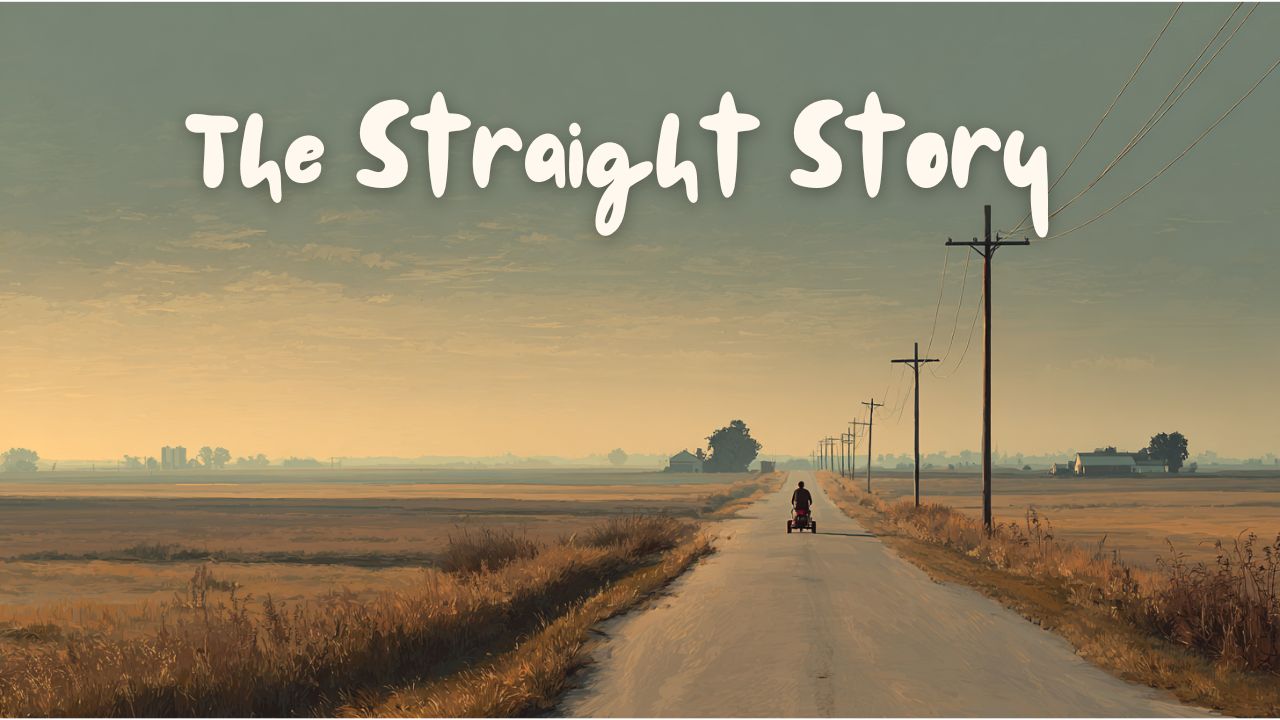
For this day, the film to watch is The Straight Story (1999), directed by David Lynch.
Alvin Straight is seventy-three years old. He lives in Laurens, Iowa, can no longer drive a car, and has refused to set foot on an airplane. When he learns that his brother Lyle — from whom he has been estranged for ten years — has suffered a heart attack, he decides to make the journey to Mount Zion, Wisconsin, to see him. He will travel by lawn mower. The trip will take six weeks. The distance is approximately 400 kilometers. The top speed of his 1966 John Deere is about eight kilometers per hour.
Bashō’s Oku no Hosomichi and Alvin’s journey share more than the decision to travel slowly. Both are about the journey as a form of internal reckoning — a way of approaching something difficult that cannot be approached directly. The film is a rare major American work that takes this seriously.
The film was nominated for the Palme d’Or at Cannes. Richard Farnsworth received an Academy Award nomination for Best Actor. It holds a G rating — suitable for all audiences — and is among the deepest films David Lynch has made.
Basic Information & Synopsis
→ For synopsis and production information, see our Database Article
Director: David Lynch
Year: 1999
Runtime: 111 minutes
Production: Walt Disney Pictures, Canal+
Commemorative Day: Day of Travel (May 16)
Synopsis: Alvin Straight lives quietly in Laurens, Iowa, with his daughter Rose. His health is failing, his legs are bad, and he is stubborn enough to refuse most offers of help. When news arrives that his brother Lyle has had a heart attack, Alvin hitches a small trailer to his 1966 John Deere riding mower and heads east. Over six weeks, he crosses Iowa and into Wisconsin at walking pace, camping by the road, passing through small towns, and meeting the people the road brings to him — a young woman running from something, a pair of arguing twin mechanics, a veteran carrying a weight similar to his own. The film follows the journey and, quietly, the life that led to this particular form of it.
Background Knowledge
Based on a True Story
The film is based on the true story of Alvin Straight, who in 1994 actually made the journey by lawn mower from Laurens, Iowa, to his brother’s home in Mount Zion, Wisconsin. The story became national news in the United States — the man who crossed a state line on a lawn mower. Screenwriters John Roach and Mary Sweeney interviewed Alvin directly and built the screenplay from his account. Many of the encounters in the film are drawn from the actual journey. Alvin Straight died in 1996; he was alive during the film’s production.
David Lynch’s Unlikely Film
David Lynch (b. 1946) is known internationally for Eraserhead, Blue Velvet, Mulholland Drive, and Twin Peaks — works defined by the dissolution of the boundary between waking life and nightmare, by dread and surreality and darkness. The Straight Story contains none of this. It is entirely linear, realistic, gentle, and patient. Lynch has described it as “my most straightforward and emotional film.” Critics have read in it the influence of his deepening practice of Transcendental Meditation during the late 1990s, and the perspective that comes with age — Lynch was fifty-three during production.
It is also a film about brothers, and reconciliation, and the things that become more urgent as time runs shorter.
American Midwest Agricultural Culture
Iowa and Wisconsin are the American heartland — the Corn Belt, the agricultural center of the country. The people Alvin encounters on the road reflect the culture of the region: they offer food and shelter to a stranger without being asked; they sit with someone they have just met and talk about what actually matters. The film depicts these qualities not sentimentally but accurately, as things that exist and deserve to be seen.
The 1966 John Deere lawn mower is also significant. It is an old machine, repaired and maintained rather than replaced — a quiet refusal of the disposable logic of consumer culture.
Richard Farnsworth’s Final Performance
Richard Farnsworth (1920–2000) began his career as a stuntman in 1937 and worked in film for more than sixty years, rarely in leading roles. The Straight Story gave him the most significant role of his career, and at seventy-nine he received an Academy Award nomination for Best Actor — the oldest nominee in the award’s history at that time. His own physical health was declining during production; his legs gave him real difficulty. The parallel between actor and character is not incidental.
The year after the film’s release, Farnsworth died by his own hand, unable to continue living with the pain of terminal bone cancer. The Straight Story is his final statement as an actor, and it is a complete one.
What Makes It Exceptional
The Essential Meaning of the Journey
The film’s deepest quality is the question it poses about what travel actually is. In a world of rapid movement, the choice of a lawn mower — eight kilometers per hour, six weeks — isolates the journey from its destination. What remains is the passage itself: the landscape moving past at a pace that allows it to be seen, the people encountered because there is time to encounter them.
Alvin cannot take the fast route even if he wanted to. The slowness is the journey. This is what Bashō understood in setting out on foot — that the road traveled slowly is a different road than the one crossed quickly, even if the destination is the same. The film takes this seriously and never makes it a joke.
Lynch’s Direction — A New Register
The film represents Lynch discovering — or choosing to demonstrate — a register of filmmaking he had never before employed publicly. The landscape cinematography, by Freddie Francis, gives the Iowa plains and Wisconsin hills a quality of open, unhurried beauty. The film does not manipulate emotion through music or editing tempo. It trusts the image and the actor’s face.
This is Lynch as observer rather than architect of dread. It is among the most unexpected achievements in his body of work.
Farnsworth’s Life-Staked Performance
Farnsworth’s Alvin is stubborn, laconic, and full of things he does not say directly. The performance carries a sense of a man who has lived with his silences for a long time and knows what they cost him. What he feels about his brother, and about the lost years between them, comes through in the way he holds himself and the way he does not speak — which is the way people of his generation and region actually carry such things. The Academy Award nomination recognized something real.
The Cultural World of the American Midwest
The film is attentive to a culture of mutual aid and unhurried human connection that does exist in the places it depicts, and that is easy to overlook or romanticize. Lynch does neither. He simply shows it, at the pace at which it actually operates.
Related Articles
- The Straight Story Database – Synopsis & Production Details
- David Lynch – Filmmaker Profile
- Richard Farnsworth – Actor Profile
はじめに
芝刈り機で辿る400キロの魂の旅路
毎年5月16日は「旅の日」です。この記念日は、松尾芭蕉が『奥の細道』に旅立った日(陰暦元禄2年3月27日)を新暦に換算した日付として、1988年に日本旅のペンクラブによって制定されました。ともすれば忘れがちな旅の心を、そして旅人とは何かという思索をあらためて問いかけることを目的とし、日本人の旅行観について深く考える機会とされています。
この記念すべき日にご紹介したいのが、1999年に公開されたアメリカ映画『ストレイト・ストーリー』(原題:The Straight Story)です。デヴィッド・リンチ監督によるこの作品は、73歳の老人が芝刈り機でアイオワ州からウィスコンシン州まで400キロを旅する実話を基にした、静寂に満ちた美しい人間ドラマです。
映画は、アルヴィン・ストレイト(リチャード・ファーンズワース)が、10年間絶縁状態にあった兄ライルの心臓発作を知り、和解のために彼のもとを訪れる旅を描いています。車の運転ができず、飛行機に乗ることを拒む頑固な老人が、時速8キロの芝刈り機という極めて遅い移動手段を選択し、6週間をかけて兄のもとへ向かう物語は、まさに「旅の日」にふさわしい、旅の本質的な意味を問いかける名作です。
芭蕉が『奥の細道』で見せた内省的で瞑想的な旅の精神と、現代アメリカの農村を舞台にした老人の旅が、時代と場所を超えて響き合います。移動することの困難さが、逆に旅の真の価値を浮き彫りにするという普遍的なテーマが、リンチ監督の静謐な演出によって美しく描かれています。
G指定の作品でありながら、人生の深い真実を描いたこの映画は、旅とは単なる移動ではなく、自分自身と向き合い、人生を見つめ直す行為であることを静かに、しかし力強く教えてくれます。商業的には振るわなかったものの、批評家からは絶賛され、カンヌ国際映画祭でパルム・ドールにノミネートされるなど、真の芸術作品として高く評価されています。
基本情報・あらすじ
→ あらすじや製作情報はデータベース記事へ
監督: デヴィッド・リンチ
製作年: 1999年
上映時間: 111分
制作: ウォルト・ディズニー・ピクチャーズ、Canal+
記念日: 旅の日(5月16日)
あらすじ: アイオワ州ローレンスに娘ローズと静かに暮らす73歳のアルヴィン・ストレイト。足腰が悪く、車の運転もできません。10年間絶縁状態にあった兄ライルが心臓発作を起こしたと知り、ウィスコンシン州マウント・ザイオンまで会いに行くことを決意します。飛行機は嫌い、他人の車には乗らない——彼が選んだ移動手段は、1966年製のジョン・ディア芝刈り機でした。6週間、時速8キロ。道沿いでキャンプをし、小さな町を通り抜け、旅が連れてくる人々と言葉を交わしながら、アルヴィンは東へ向かいます。
予備知識
実話に基づく物語
『ストレイト・ストーリー』は、実在の人物アルヴィン・ストレイトの実体験を基にした作品です。本名もアルヴィン・ストレイトで、1994年に実際に芝刈り機でアイオワ州からウィスコンシン州まで旅をしました。彼の旅は当時メディアでも大きく取り上げられ、「芝刈り機で州境を越えた男」として全米で話題となりました。
実際のアルヴィンは1996年に亡くなりましたが、映画制作時には存命で、脚本家のジョン・ローチとメアリー・スウィーニーは彼から直接話を聞いて脚本を執筆しました。映画の多くの場面は実際の体験に基づいており、彼が旅の途中で出会った人々との交流も実話です。
デヴィッド・リンチ監督の異色作
デヴィッド・リンチ(1946年生まれ)は、『イレイザーヘッド』『マルホランド・ドライブ』『ツイン・ピークス』などで知られる、シュルレアリスムと悪夢的な映像で有名な監督です。彼の作品は通常、現実と夢の境界が曖昧で、不安や恐怖を誘う独特な世界観を持っています。
しかし『ストレイト・ストーリー』は、リンチ作品としては極めて異色の作品です。超自然的な要素は一切なく、現実的でストレートな物語が淡々と語られます。リンチ自身も「これまでで最もシンプルで、最もエモーショナルな作品」と語っており、彼の隠された優しさと人間性が表れた傑作とされています。
この変化の背景には、リンチの年齢(制作時53歳)と、父親との関係に対する個人的な体験があったとされています。また、1990年代後半のリンチは瞑想に深く傾倒しており、その内省的な精神状態が作品の静寂性に反映されています。
アメリカ中西部の農村文化
映画の舞台となるアイオワ州とウィスコンシン州は、アメリカ中西部の典型的な農業地帯です。この地域は「コーンベルト」と呼ばれるトウモロコシ栽培の中心地で、古きよきアメリカの価値観が色濃く残る場所とされています。
映画に登場する人々の素朴さ、親切心、共同体意識は、この地域の文化的特徴を反映しています。見知らぬ老人に食事や宿を提供し、困った時は助け合うという精神は、都市部では失われつつあるアメリカ田舎町の美徳を表現しています。
また、アルヴィンが使用する1966年製ライダー芝刈り機も、アメリカの機械文明と農業文化を象徴するアイテムです。古い機械を修理しながら大切に使い続ける姿勢は、大量消費社会への静かな批判ともとれます。
リチャード・ファーンズワースの人生最後の主演作
主演のリチャード・ファーンズワース(1920-2000)は、もともとスタントマン出身の俳優でした。1937年から映画界で働き始め、60年以上のキャリアを持つベテランでしたが、主演を務めることは稀でした。
『ストレイト・ストーリー』での演技は絶賛され、79歳でアカデミー賞主演男優賞にノミネートされました。これは当時の最高齢ノミネート記録でした。ファーンズワース自身も足腰に問題を抱えており、役柄と重なる部分が多く、実体験に基づく説得力のある演技を見せています。
悲劇的なことに、ファーンズワースは映画公開の翌年、末期がんの苦痛に耐えかねて自ら命を絶ちました。『ストレイト・ストーリー』は、彼の俳優人生の集大成であり、同時に人生最後の贈り物となった作品です。
1990年代アメリカの社会的背景
映画が描く1994年当時のアメリカは、冷戦終結後の比較的平和な時代でした。しかし、急速な社会変化により、伝統的な価値観と現代的なライフスタイルの間で多くの人々が混乱していた時期でもあります。
アルヴィンのような第二次世界大戦経験者の高齢化が進み、戦争の記憶を語り継ぐ最後の世代として注目されていました。また、家族の絆の希薄化、地域共同体の衰退なども社会問題となっており、映画はこうした時代背景を反映した失われつつあるアメリカの魂を描いています。
優れている点
旅の本質的な意味の描写
『ストレイト・ストーリー』の最も優れた点は、旅の本当の意味を静かに問いかけることです。現代の高速移動社会において、時速8キロという極端に遅い移動手段を選択することで、旅することの本質的な価値が浮き彫りになります。
アルヴィンの旅は、目的地に到着することよりも、旅の過程そのものに意味があることを示しています。芝刈り機での移動は非効率的で困難ですが、それゆえに沿道の風景をじっくりと味わい、出会う人々と深い交流を持つことができます。これは芭蕉の『奥の細道』における「旅は目的ではなく、手段である」という思想と深く共鳴しています。
リンチ監督による新境地の演出
デヴィッド・リンチが見せる静謐で詩的な演出は、彼のキャリアの中でも特別な位置を占めています。通常のリンチ作品に見られる不安や恐怖の要素を完全に排除し、純粋な人間性と美しさだけを描いた演出は、監督の新たな可能性を示しました。
特に印象的なのは、風景の撮影方法です。アイオワ州の広大な平原、ウィスコンシン州の丘陵地帯、夕暮れの空、星空など、自然の美しさが登場人物の内面と呼応するように撮影されています。セリフや音楽に頼らず、映像だけで感情を伝える手法は、リンチの映像作家としての真価を示しています。
ファーンズワースの人生を懸けた演技
リチャード・ファーンズワースの演技は、単なる役作りを超えた人生そのものの表現となっています。79歳という年齢で、実際に足腰に問題を抱えながら演じた老人の頑固さと優しさは、観客の心に深く響きます。
特に素晴らしいのは、言葉少なくして多くを語る表現力です。アルヴィンの過去の辛い記憶、兄への複雑な感情、人生への諦観と受容が、ファーンズワースの表情と佇まいから自然に伝わってきます。セリフに頼らない演技は、映画という媒体の真の力を示しています。
アメリカ中西部の文化的魅力
映画は、忘れられつつあるアメリカの美徳を丁寧に描写しています。アルヴィンが旅の途中で出会う人々の親切心、困った人を放っておけない共同体精神、世代を超えた相互理解など、現代社会が失いつつある価値観が美しく表現されています。
これらの描写は、単なるノスタルジーに終わらず、現代人が学ぶべき人間関係の基本を示唆しています。効率性や利益を優先する現代社会への静かな批判でもあり、本当の豊かさとは何かを考えさせます。