

Basic Info / 基本情報
|
項目 |
English |
日本語 |
|---|---|---|
|
記念日名 |
World Lion Day |
世界ライオンの日 |
|
日付 |
August 10 (Annual) |
8月10日(毎年) |
|
創設年 |
2013 |
2013年 |
|
初回開催 |
August 10, 2013, Livingstone, Zambia |
2013年8月10日、ザンビア・リヴィングストン |
|
発案者 |
Attributed variously to Dereck & Beverly Joubert (with National Geographic’s Big Cat Initiative / Big Cat Rescue) and to Rae Kokeš & David Youldon (ALERT) |
ジュベール夫妻(ナショナル ジオグラフィックのBig Cat Initiative/Big Cat Rescueと連携)、およびALERTのレイ・コケシュとデイヴィッド・ヨールドンなど、複数の説がある |
|
保全状況 |
Vulnerable (IUCN Red List) |
危急種(IUCNレッドリスト) |
|
カテゴリ |
Wildlife Conservation / Endangered Species / Environment / Biodiversity |
野生生物保護 / 絶滅危惧種 / 環境 / 生物多様性 |
Introduction: A Roar That Is Also a Plea
はじめに:咆哮であり、嘆願でもある声
[English]
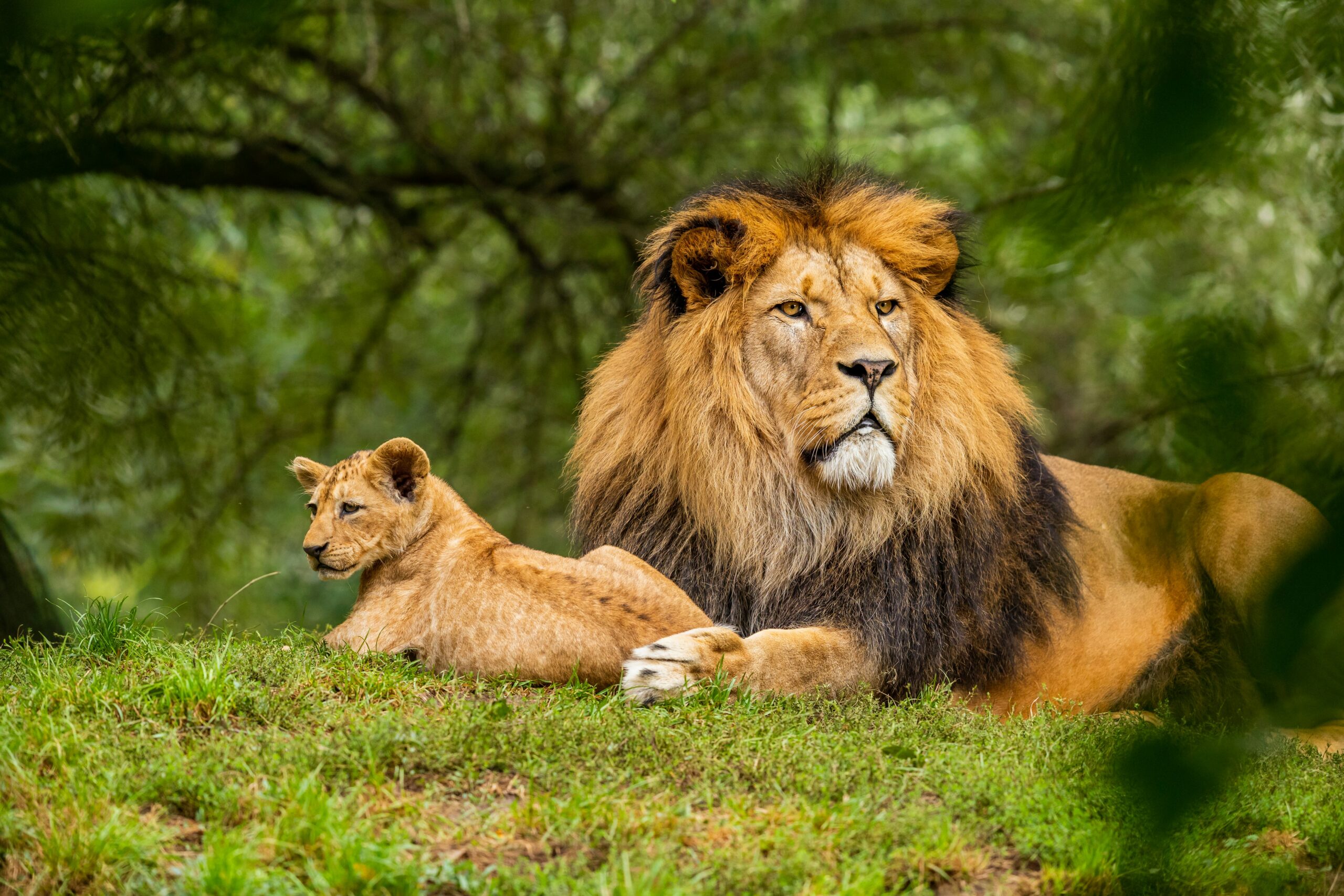
Every year on August 10, World Lion Day pays tribute to one of the most iconic animals on earth—and asks us to notice how precarious the “King of Beasts” has become. The image of the lion is everywhere: on flags, crests, and statues, a universal shorthand for strength and majesty. Yet the living animal behind that symbol is in trouble. Only around 20,000–23,000 wild lions remain, and their range has contracted dramatically over just a few generations. As apex predators and a keystone species, lions hold entire ecosystems in balance, keeping herbivore populations in check and shaping the health of the landscapes they roam. World Lion Day celebrates their power and beauty, but its foundation is a serious one: every famous roar is, in a sense, also a plea for survival.
[日本語]
毎年8月10日の「世界ライオンの日」は、地球上でもっとも象徴的な動物のひとつに敬意を捧げる日です。そして同時に、「百獣の王」がいかに危うい立場に置かれているかに、私たちの目を向けさせる日でもあります。ライオンの姿はいたるところにあります。国旗に、紋章に、彫像に――強さと威厳を表す、世界共通の記号として。けれど、その象徴の背後にいる「生きた動物」は、いま苦境にあります。野生のライオンは、およそ2万〜2万3000頭を残すのみとなり、その生息域はわずか数世代のうちに劇的に縮小しました。頂点捕食者であり、生態系の要となる「キーストーン種」として、ライオンは生態系全体の均衡を支えています。草食動物の数を抑え、自らが歩き回る大地の健やかさそのものを形づくっているのです。世界ライオンの日は、その力と美しさを祝います。けれど、その土台にあるのは切実な現実です。あの名高い咆哮は、ある意味で、生存への嘆願でもあるのです。
Origins: A Young Day with Contested Fatherhood
由来:発案者に諸説ある、若い記念日
[English]
World Lion Day is a relatively young observance, first held on August 10, 2013, with a launch event in Livingstone, Zambia. Its exact parentage is told in more than one way. Many accounts credit filmmakers and conservationists Dereck and Beverly Joubert, a husband-and-wife team whose passion for big cats led them, together with National Geographic, to establish the Big Cat Initiative in 2009—often named alongside the sanctuary Big Cat Rescue as founders of the day. Other sources, including Wikipedia, attribute the idea to Rae Kokeš and David Youldon of the African Lion & Environmental Research Trust (ALERT). What all versions share is the same purpose and the same launch: to unite global attention around the vanishing lion. Whichever telling one follows, the day was built to move people from admiration toward action.
[日本語]
世界ライオンの日は、比較的新しい記念日です。初開催は2013年8月10日、ザンビアのリヴィングストンでのローンチイベントでした。その「生みの親」については、いくつかの語られ方があります。多くの説では、映画製作者であり自然保護活動家でもあるジュベール夫妻(デレック&ベヴァリー・ジュベール)の名が挙げられます。ビッグキャットへの情熱を持つこの夫妻は、ナショナル ジオグラフィックとともに2009年に「Big Cat Initiative」を設立しており、しばしば保護施設「Big Cat Rescue」と並んで、この記念日の創設者として名指しされます。一方、Wikipediaなど他の情報源は、この発案を「アフリカン・ライオン&環境調査トラスト(ALERT)」のレイ・コケシュとデイヴィッド・ヨールドンによるものとしています。どの語り方にも共通しているのは、同じ目的と同じ出発点です。すなわち、消えゆくライオンをめぐって世界の関心をひとつにまとめること。どの説をとるにせよ、この日は人々を「賞賛」から「行動」へと動かすために作られました。
Why It Matters: The Numbers Behind the Crown
なぜ大切か:王冠の裏側にある数字
[English]
The seriousness of World Lion Day lives in its statistics. Wild lions now number only around 20,000–23,000, and are listed as Vulnerable on the IUCN Red List, with the population trend still declining. Over roughly the past century the species has lost the great majority of its historic range; lions that once ranged across Europe, the Middle East, and much of Asia are today confined mostly to sub-Saharan Africa, with a single small, isolated population of Asiatic lions surviving in India’s Gir Forest. The drivers are familiar and interlocking: habitat loss, depletion of the prey they depend on, poaching, and escalating conflict with people as farmland pushes into wild land. This is why the day pairs celebration with concrete asks—supporting habitat corridors, anti-poaching work, and community programs that let people and lions share a landscape rather than compete for it.
[日本語]
世界ライオンの日の重みは、その統計のなかにあります。野生のライオンは現在およそ2万〜2万3000頭にすぎず、IUCNレッドリストでは 「危急種(Vulnerable)」 に分類され、その個体数の傾向はいまも減少を続けています。過去およそ一世紀のあいだに、この種はかつての生息域の大部分を失いました。かつてはヨーロッパ、中東、そしてアジアの広い範囲を歩き回っていたライオンは、今日ではその多くがサハラ以南のアフリカに閉じ込められ、アジアライオンにいたっては、インドのギル森林にただひとつ、小さく孤立した個体群が生き延びているだけです。その原因は、よく知られたものが互いに絡み合っています。生息地の喪失、依存する獲物の減少、密猟、そして農地が原野へと押し広がるにつれて激しさを増す、人間との軋轢です。だからこそこの日は、祝賀と具体的な呼びかけを組み合わせます。生息地をつなぐ「回廊」の支援、密猟対策の取り組み、そして人とライオンが土地を奪い合うのではなく分かち合えるようにする地域プログラムへの支援です。
The Lion as Keystone: Why One Species Carries So Much
要としてのライオン:一種がこれほど多くを担う理由
[English]
Beyond their fame, lions matter ecologically in a way that ripples far past the pride. As apex predators they regulate the numbers of herbivores like antelope and zebra; without that pressure, grazing populations can swell and strip vegetation, degrading the grasslands and savannas that countless other species depend on. Lions are also the most social of the big cats, living in prides of related females and their young alongside a small number of dominant males—a structure that makes them unusually visible ambassadors for conservation. Protecting lions, in practice, means protecting the vast, functioning landscapes they need to hunt and roam, which is why their survival is so tightly bound to the survival of whole ecosystems.
[日本語]
その名高さを超えて、ライオンは生態学的にも、群れ(プライド)のはるか先まで波及する形で重要な存在です。頂点捕食者として、ライオンはアンテロープやシマウマといった草食動物の数を調整します。その圧力がなければ、草を食む動物の個体群は膨れ上がり、植生を食い尽くし、無数の他の生き物が依存する草原やサバンナを劣化させてしまいかねません。ライオンはまた、ビッグキャットのなかでもっとも社会的な動物でもあります。血縁でつながった雌とその子どもたち、そして少数の優位な雄からなる「プライド」で暮らす――その群れの構造ゆえに、ライオンは保全を語るうえで、際立って目に見えやすい「大使」となっています。ライオンを守ることは、実際には、彼らが狩りをし歩き回るために必要な、広大で機能する景観そのものを守ることを意味します。だからこそ、その生存は、生態系全体の生存と、これほど固く結びついているのです。
Related Review / 関連レビュー
🔗 English Review
[World Lion Day] The Circle of Life the King of Beasts Teaches, and What the Real Lion Faces
🔗 日本語レビュー
【世界ライオンの日】百獣の王が教える生命の環と、現実のライオンが直面するもの