
Introduction
January 8th is War on Poverty Day. This day commemorates President Lyndon B. Johnson’s declaration on January 8, 1964, in his State of the Union address of “unconditional war on poverty in America.”
At that time, America’s poverty rate was approximately 19%. President Johnson stated in his speech: “Our aim is not only to relieve the symptom of poverty, but to cure it and, above all, to prevent it.”
This declaration led to creation of numerous social programs as part of “Great Society” policy:
- Economic Opportunity Act (1964): Job Corps (vocational training), VISTA (domestic volunteers), Community Action Program
- Head Start: Preschool education for low-income families’ children
- Medicare/Medicaid: Medical insurance for elderly and low-income
- Food Stamps (now SNAP): Food assistance program
- Appalachian Regional Commission: Appalachian region economic development
Sixty years later, official poverty rate has declined to approximately 11-12%. However, many experts point out the “war on poverty” hasn’t completely succeeded. Particularly, the system creating poverty itself—structural inequality, racial discrimination, educational disparity, lack of economic opportunities—remains fundamentally unsolved.
And rural poverty continues with severity different from urban areas.
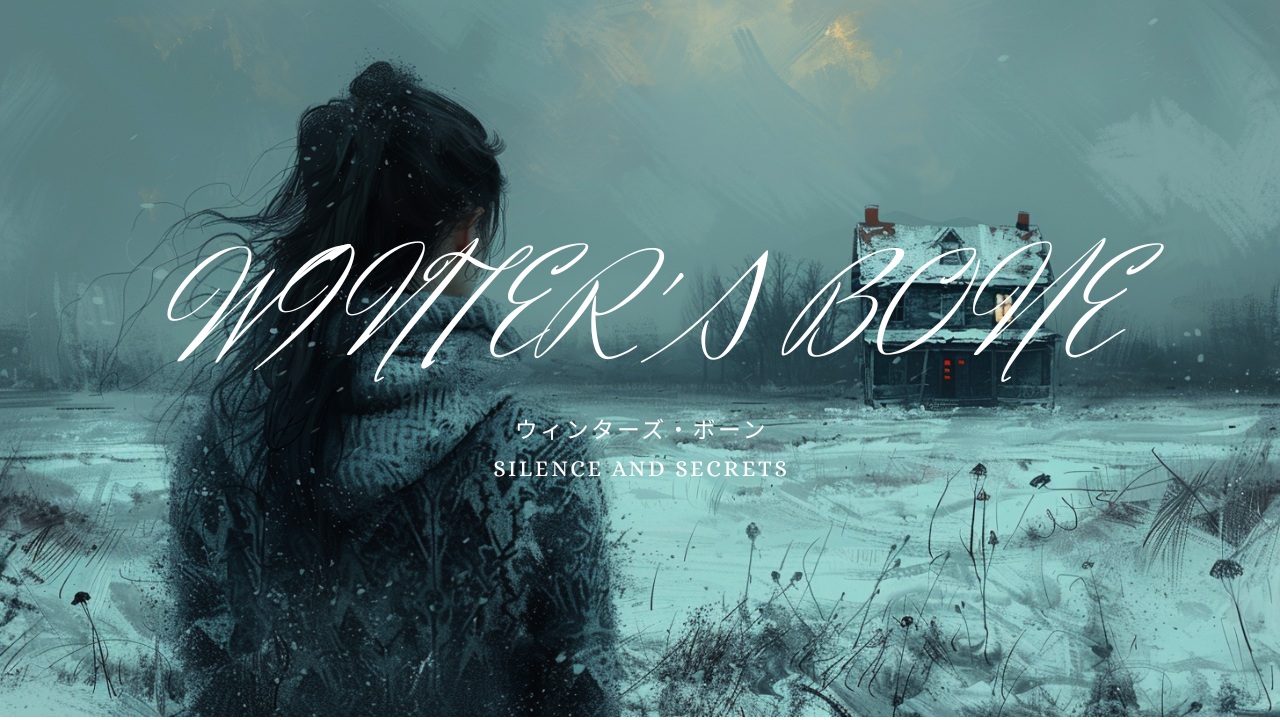
Winter’s Bone (2010) depicts reality approximately 40 years later in early 2000s. Set in Missouri’s Ozark Mountains—like Appalachian region, known as serious rural poverty area in America. There, even in 2000s over 40 years after “war on poverty” declaration, extreme poverty persists, with methamphetamine epidemic worsening the situation.
17-year-old girl Ree Dolly faces losing her home while caring for mentally ill mother and young siblings. Her struggle poignantly demonstrates that the “war on poverty” declared by President Johnson in 1964 still hasn’t ended even in 2000s over 40 years later, and 61 years later today.
Watching Winter’s Bone on War on Poverty Day provides opportunity to consider gaps between policy and reality, and dignity and strength of people surviving in poverty.
Basic Information & Synopsis
→ For detailed synopsis and production information, see our Database Article
Director: Debra Granik
Year: 2010
Runtime: 100 minutes
Production: Anonymous Content
Commemorative Day: War on Poverty Day (January 8)
Background Knowledge
Original Novel and Daniel Woodrell
Winter’s Bone is based on Daniel Woodrell’s 2006 novel Winter’s Bone.
Daniel Woodrell (born 1953) is American novelist from Springfield, Missouri. Called “Poet of the Ozarks,” he has written nine novels set in Missouri’s Ozark Mountains.
Background:
- Dropped out of high school at 17, joined Marines
- Later earned bachelor’s degree from University of Kansas
- MFA from Iowa Writers’ Workshop
- Still lives and writes in West Plains, Missouri, Ozark region
“Country Noir” Creator: Woodrell coined “country noir” term in his 1996 novel Give Us a Kiss. This genre transplants traditional film noir (urban crime fiction) to rural areas.
His works:
- Depict Ozark Mountains’ poverty, crime, family bonds
- Poetic, concise prose style
- Deep understanding of dialect and land culture
- Stories influenced by “Greek tragedy concepts”
Winter’s Bone Characteristics:
- Published 2006, short (about 200 pages) yet dense
- Depicts Ozark Mountains winter, methamphetamine manufacturing, poverty, family secrets
- Woodrell’s unique prose style—poetic, effective dialect use
- Critics praised as “depicting lower-class characters with Shakespearean depth”
Novel and Film Differences
Director Debra Granik wrote faithful screenplay to source material, but with several important changes.
Ree’s appearance: novel’s 16-year-old brunette in yellow dress becomes film’s 17-year-old blonde (Jennifer Lawrence’s natural hair) in jeans and jacket. Siblings changed from two brothers to one brother and one sister.
Most surprising omission is snow. Novel features snow as crucial element, with detailed depictions of freezing cold and snow-covered landscapes, but film has almost no snow. Critics called this “most shocking omission.”
Violence depiction differs. Novel’s scene of Ree’s assault is extremely graphic, including detailed descriptions of vomit, urine, blood. Film is more restrained, not conveying novel’s full shock.
Regarding language, much dialogue is taken directly from source (“you one time smacked fire out the ass of a Boshell boy” etc.), but Woodrell’s poetic prose internal descriptions cannot be expressed in film.
Ending differs too. Novel offers Ree a job, she vows to use first money for “wheels”—suggesting escape possibility and hope.
Overall tone: novel is darker, more internal, Woodrell’s prose creating “desolate beauty,” while film is more stoic, quiet, more visual. Many critics acknowledge the film as excellent adaptation but note the novel provides deeper, more intimate, more complete experience. One critic wrote: “People who watch the film after reading the novel realize how dark and intimate the novel is.”
What Makes It Exceptional
Jennifer Lawrence’s Overwhelming Performance and Breakthrough
This film’s greatest strength is Jennifer Lawrence’s overwhelming performance as Ree Dolly. Then 20 years old, Lawrence brilliantly portrays a 17-year-old impoverished girl’s strength, fragility, determination, exhaustion, and dignity.
Particularly impressive is Ree’s “eyes that never give up.” She is repeatedly rejected, threatened, assaulted, yet her eyes never lose hope. Chopping firewood scene, teaching siblings to read and write scene, pulling up father’s corpse’s wrist scene—in every scene, Lawrence expresses more than dialogue.
Her dedication and performance astonished critics, earning Academy Award Best Actress nomination at age 20 (then second-youngest nominee in history). Praised by critics as “one of most powerful female protagonists in American film history,” this role led her to Hunger Games (2012), Silver Linings Playbook (2012, Academy Award Best Actress winner), American Hustle, X-Men series.
Winter’s Bone was Jennifer Lawrence’s turning point to stardom.
Thorough Realism and Authenticity: Debra Granik’s “Documentary Method”
The film’s thorough realism is another major strength. This comes from director Debra Granik’s unique approach.
Granik’s “Documentary Realism”
Director Debra Granik trained in documentary filmmaking and brought that methodology to fiction film.
For Winter’s Bone production, Granik and team:
- Stayed in Ozark region for 2 years before shooting, studying community
- Cast many local residents (professional actors only main cast like Jennifer Lawrence, John Hawkes, Dale Dickey)
- Filmed in actual houses, actual locations
- Faithfully recreated local music, language, customs
Achieving Authenticity
Casting local residents means the film lacks “acting” sensation. Their faces, words, gestures are real. The girl playing 6-year-old sister Ashlee (Ashlee Thompson) had no acting experience and actually lived in the house used for filming.
Ozark dialect is faithfully recreated. Unique expressions like “you one time smacked fire out the ass of a Boshell boy” are taken from source material Daniel Woodrell’s poetic prose.
Poverty depiction is not beautified. Hand wounds from chopping firewood, food shortage, old clothes, cold house—everything is real.
Avoiding “Poverty Porn” Criticism
Through this thorough realism and authenticity, the film avoided criticism as “poverty porn”—works exploiting poverty as consumption object—and was evaluated as authentic testimony.
Granik succeeded in depicting poverty not “from outside” but “from inside.” This was realized through 2 years’ dedication to community and cooperation with local residents.
Perfecting “Country Noir” Genre
The film perfectly visualizes “country noir” genre originated by source author Daniel Woodrell.
It transplanted traditional film noir (1940-50s urban crime films) elements—conspiracy, silence, violence, moral ambiguity—into rural poverty context:
- Setting: city → Ozark Mountains
- Detective: male → 17-year-old girl
- Dark city back alleys → freezing forest
- Crime organization → methamphetamine gang
One critic wrote: “It’s like replacing Humphrey Bogart with 17-year-old girl and throwing her into America’s poorest region.”
This genre reinvention enabled viewing poverty from new perspective, highly praised by critics.
Respect for Ozark Music and Culture
The film’s soundtrack uses authentic Ozark folk music.
Singer Marideth Sisco served as film’s music consultant and appears in the scene playing with band in living room. Her voice captures balance of hope and acceptance—spirit accepting difficult life yet not losing hope.
This music gives the film cultural authenticity. This is an attempt to depict poverty not “from outside” but “from inside.”
Related Articles
- Winter’s Bone Database – Synopsis & Production Details
- Debra Granik – Filmmaker Profile
はじめに
1月8日は、**貧困との戦い宣言記念日(War on Poverty Day)**です。この日は、1964年1月8日にリンドン・B・ジョンソン大統領が一般教書演説で「アメリカにおける貧困との無条件の戦い(unconditional war on poverty in America)」を宣言したことを記念しています。
当時、アメリカの貧困率は約19%でした。ジョンソン大統領は演説で述べました:「私たちの目的は、貧困の症状を和らげることだけではなく、それを治療し、そして何よりも、それを予防することです」。
この宣言により、「グレート・ソサエティ(偉大な社会)」政策の一環として、数々の社会プログラムが創設されました:
- 経済機会法(Economic Opportunity Act, 1964):Job Corps(職業訓練)、VISTA(国内ボランティア)、Community Action Program(地域行動プログラム)
- Head Start:低所得家庭の子どもへの就学前教育
- Medicare / Medicaid:高齢者・低所得者向け医療保険
- Food Stamps(現SNAP):食料支援プログラム
- Appalachian Regional Commission:アパラチア地域の経済開発
60年後の今、公式の貧困率は約11-12%まで低下しました。しかし多くの専門家は、「貧困との戦い」は完全には勝利していないと指摘します。特に、貧困を生み出すシステムそのもの——構造的不平等、人種差別、教育格差、経済機会の欠如——は根本的には解決されていません。
そして、農村部の貧困は、都市部とは異なる深刻さを持ち続けています。
『ウィンターズ・ボーン』(Winter’s Bone, 2010)は、約40年後の2000年代初頭の現実を描いた映画です。舞台は、ミズーリ州オザーク山脈——アパラチア地域と同様に、アメリカ農村部の深刻な貧困地域として知られる場所です。そこでは、「貧困との戦い」宣言から40年以上が経過した2000年代でも、極度の貧困が続き、メタンフェタミン(覚せい剤)の蔓延が状況をさらに悪化させています。
17歳の少女リー・ドリーは、精神疾患の母親と幼い弟妹の面倒を見ながら、家を失う危機に直面します。彼女の闘いは、1964年にジョンソン大統領が宣言した「貧困との戦い」が、40年以上が経過した2000年代でも、そして61年後の今でも、まだ終わっていないことを痛烈に示しています。
この貧困との戦い宣言記念日に、『ウィンターズ・ボーン』を観ることは、政策と現実のギャップ、そして貧困の中で生き抜く人々の尊厳と強さについて考える機会となるでしょう。
基本情報・あらすじ
→ 詳しいあらすじや製作情報はデータベース記事へ
監督: デブラ・グラニック
製作年: 2010年
上映時間: 100分
制作: アノニマス・コンテント
記念日: 貧困との戦い宣言記念日(1月8日)
予備知識
原作小説とDaniel Woodrell
映画『ウィンターズ・ボーン』は、Daniel Woodrell(ダニエル・ウッドレル)の2006年小説『Winter’s Bone』を原作としています。
Daniel Woodrell(1953年生まれ)は、ミズーリ州スプリングフィールド出身のアメリカ人小説家です。彼は「オザークの詩人(Poet of the Ozarks)」と呼ばれ、ミズーリ州オザーク山脈を舞台にした9つの小説を書いています。
経歴:
- 17歳で高校を中退し、海兵隊に入隊
- その後、カンザス大学で学士号を取得
- アイオワ大学ライターズ・ワークショップで修士号(MFA)を取得
- 現在もオザーク地域のWest Plains, Missouriに住み、執筆を続けている
「カントリー・ノワール(Country Noir)」の創始者: Woodrellは、1996年の小説『Give Us a Kiss』で「カントリー・ノワール」という言葉を造語しました。これは、伝統的なフィルム・ノワール(都市犯罪小説)を農村地域に移植したジャンルです。
彼の作品は:
- オザーク山脈の貧困、犯罪、家族の絆を描く
- 詩的で簡潔な散文スタイル
- 方言と土地の文化への深い理解
- 「ギリシャ悲劇の概念」に影響を受けた物語
『Winter’s Bone』の特徴:
- 2006年出版、短く(約200ページ)、しかし密度が高い
- オザーク山脈の冬、メタンフェタミン製造、貧困、家族の秘密を描く
- Woodrell独特の散文スタイル——詩的で、方言を効果的に使用
- 批評家から「シェイクスピア的な深さで低階級の人物を描く」と評された
原作小説と映画の違い
デブラ・グラニック監督は原作に忠実な脚本を書きましたが、いくつかの重要な変更があります。
リーの外見は、原作では16歳のブルネットで黄色いドレスを着ていましたが、映画では17歳のブロンド(Jennifer Lawrenceの自然な髪色)でジーンズとジャケットを着用しています。兄弟姉妹も、原作の2人の弟から、映画では1人の弟と1人の妹に変更されました。
最も驚くべき省略は雪です。原作では雪が物語の重要な要素で、凍てつく寒さと雪に覆われた風景が詳細に描かれますが、映画には雪がほとんど登場しません。批評家はこれを「最も衝撃的な省略」と呼びました。
暴力の描写も異なります。原作でリーが暴行される場面は極めて生々しく、吐瀉物、尿、血の詳細な描写を含みます。映画はより抑制されており、原作ほどのショックは伝わりません。
言語では、対話の多くが原作から直接取られていますが(”you one time smacked fire out the ass of a Boshell boy”など)、Woodrellの詩的な散文による内面描写は映画では表現できません。
結末も異なります。原作ではリーに仕事が提供され、彼女は最初の金を「車(wheels)」に使うと誓います——脱出の可能性と希望を示唆します。
全体的なトーンでは、原作がより暗く、より内面的で、Woodrellの散文が「荒涼とした美しさ」を生み出すのに対し、映画はよりストイックで静か、より視覚的です。多くの批評家は、映画が優れた脚色であると認めつつも、原作はより深く、より親密で、より完全な体験を提供すると指摘しています。ある批評家は書きました:「原作を読んだ後に映画を観た人々は、原作がどれほど暗く、親密であるかに気づく」。
優れている点
ジェニファー・ローレンスの圧倒的な演技力とブレイクスルー
本作の最大の優れた点は、ジェニファー・ローレンスのリー・ドリー役での圧倒的な演技力です。当時20歳だったローレンスは、17歳の極貧の少女の強さ、脆さ、決意、疲労、そして尊厳を見事に演じ切っています。
特に印象的なのは、リーの「諦めない目」です。彼女は何度も拒絶され、脅迫され、暴行されますが、その目は決して希望を失いません。薪を割るシーン、弟妹に読み書きを教えるシーン、父親の遺体の手首を引き上げるシーン——すべてのシーンで、ローレンスは台詞以上のものを表現しています。
彼女の執念と演技は批評家を驚愕させ、20歳でアカデミー主演女優賞にノミネートされました(当時、史上2番目に若いノミネート)。批評家から「アメリカ映画史上最も強力な女性主人公の一人」と評されたこの役が、彼女を『ハンガー・ゲーム』(2012)、『世界にひとつのプレイブック』(2012年、アカデミー主演女優賞受賞)、『アメリカン・ハッスル』、『X-MEN』シリーズへと導きました。
『ウィンターズ・ボーン』は、ジェニファー・ローレンスにとって、スターダムへの転機となった作品です。
徹底したリアリズムと真正性:デブラ・グラニックの「ドキュメンタリー的手法」
映画の徹底したリアリズムは、もう一つの大きな優れた点です。これは、監督デブラ・グラニックの独特なアプローチによるものです。
グラニックの「ドキュメンタリー的リアリズム」
監督のデブラ・グラニックは、ドキュメンタリー映画の訓練を受けており、その手法をフィクション映画に持ち込みました。
『ウィンターズ・ボーン』の制作にあたり、グラニックとチームは:
- 撮影前に2年間オザーク地域に滞在し、コミュニティを研究
- 地元住民を多数起用(プロの俳優はジェニファー・ローレンス、ジョン・ホークス、デイル・ディッキーなど主要キャストのみ)
- 実際の家、実際の場所で撮影
- 地元の音楽、言葉、習慣を忠実に再現
真正性の実現
地元住民の起用により、映画は「演技している」感覚がありません。彼らの顔、言葉、身振りは、本物です。6歳の妹アシュリーを演じた少女(Ashlee Thompson)は演技未経験で、撮影に使われた家に実際に住んでいました。
オザークの方言も忠実に再現されています。”you one time smacked fire out the ass of a Boshell boy”のような独特の表現は、原作のDaniel Woodrellの詩的な散文から取られています。
貧困の描写も、美化されていません。薪を割る手の傷、食料の不足、古い服、寒い家——すべてが、リアルです。
「Poverty Porn」批判の回避
この徹底したリアリズムと真正性により、映画は「poverty porn(貧困ポルノ)」——貧困を消費の対象として搾取する作品——という批判を避け、**真正な証言(authentic testimony)**として評価されました。
グラニックは、貧困を「外部から」描くのではなく、「内部から」描くことに成功しました。これは、コミュニティへの2年間の献身と、地元住民との協力によって実現されたものです。
「カントリー・ノワール」というジャンルの完成
映画は、原作者Daniel Woodrellが創始した「カントリー・ノワール」というジャンルを完璧に映像化しています。
伝統的なフィルム・ノワール(1940-50年代の都市犯罪映画)の要素——陰謀、沈黙、暴力、モラルの曖昧さ——を、農村貧困の文脈に移植しました:
- 舞台は都市→オザーク山脈
- 探偵は男性→17歳の少女
- 暗い都市の裏通り→凍てつく森
- 犯罪組織→メタンフェタミンのギャング
ある批評家は書きました:「これは、ハンフリー・ボガートを17歳の少女に置き換え、アメリカで最も貧しい地域に投げ込んだようなものだ」。
このジャンルの再発明は、貧困を新しい視点から見ることを可能にし、批評家から高く評価されました。
オザークの音楽と文化への敬意
映画のサウンドトラックは、本物のオザークのフォーク音楽を使用しています。
歌手Marideth Siscoは、映画の音楽コンサルタントであり、劇中でリビングルームでバンドと演奏するシーンにも出演しています。彼女の声は、希望と受容のバランスを捉えています——困難な人生を受け入れながらも、希望を失わない精神。
この音楽は、映画に文化的な真正性(cultural authenticity)を与えています。これは、貧困を「外部から」描くのではなく、「内部から」描く試みです。
関連記事
- Winter’s Bone データベース – あらすじ・製作情報
- デブラ・グラニック – 監督プロフィール