
Choose Your Language / 言語を選択:
Introduction
A Story of True Friendship Across Cultural Divides, Set Against 1960s Racial Segregation
April 14 is Pan American Day.
On April 14, 1890, the First International Conference of American States — convened in Washington, D.C. from autumn 1889 through the following spring — concluded with the founding of the International Union of American Republics, the forerunner of the Organization of American States (OAS). The date has since been observed as Pan American Day, also called the “Day of the Americas”: a commemoration of the moment when nations across North, Central, and South America chose solidarity over division. In the United States, every president issues an annual proclamation designating April 14 as Pan American Day and the surrounding week as Pan American Week.
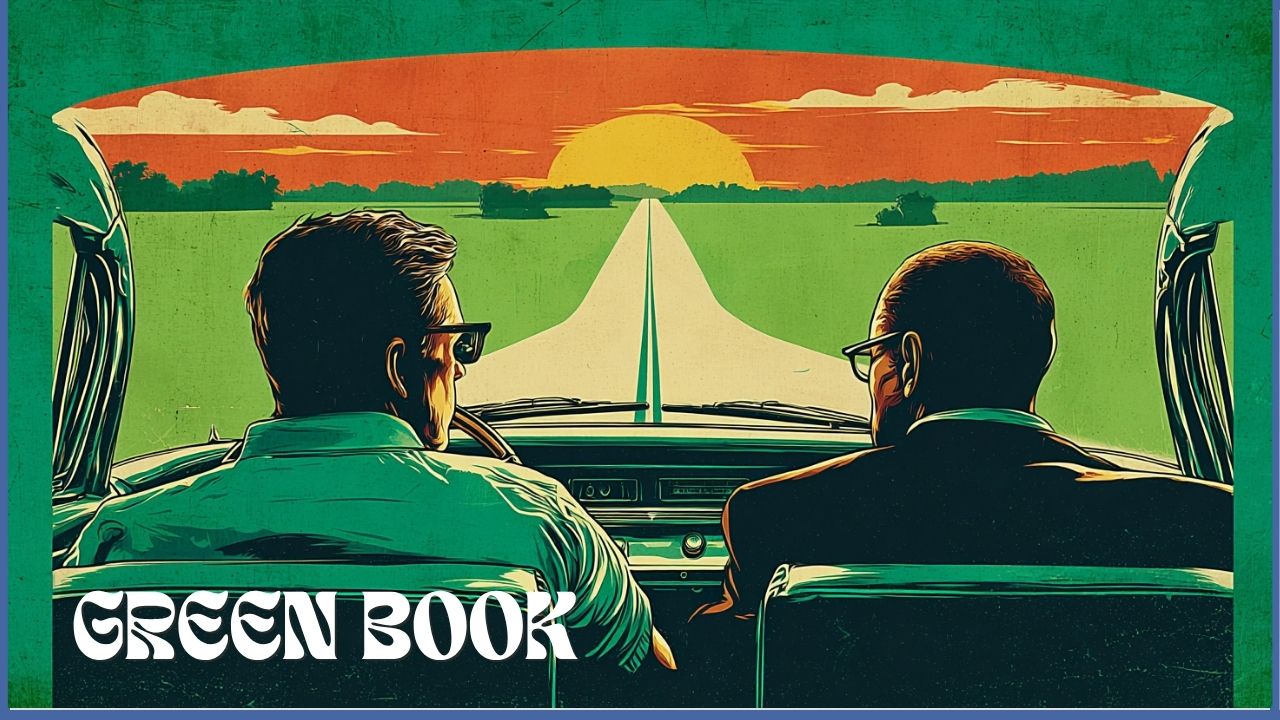
For this day, the film to watch is Peter Farrelly’s 2018 Green Book.
The film is set in 1962 — barely thirty years after Pan American Day was first formally observed. On the same continent where those nations had pledged hemispheric unity, a wall stood between a Black man and an Italian-American man sitting in the same car. Green Book follows Tony “Lip” Vallelonga (Viggo Mortensen), an Italian-American bouncer from the Bronx, and Dr. Donald Shirley (Mahershala Ali), a Black classical pianist, on an eight-week concert tour through the American South. What begins as a professional arrangement becomes one of the most unlikely friendships in American cultural memory.
The film won the Academy Award for Best Picture, Best Original Screenplay, and Best Supporting Actor. It asks quietly but insistently what continental solidarity actually means — not at the level of declarations, but at the level of two people in a car.
Basic Information & Synopsis
→ For synopsis and production information, see our Database Article
Director: Peter Farrelly
Year: 2018
Runtime: 130 minutes
Production: Participant Media, DreamWorks Pictures
Commemorative Day: Pan American Day (April 14)
Background Knowledge
The Historical Meaning of the “Green Book”
The film’s title refers to The Negro Motorist Green Book, a travel guide created by Victor Hugo Green in 1936 and published annually until 1966. The guide listed hotels, restaurants, and gas stations where Black travelers could expect service — a necessity in an era when Jim Crow laws allowed countless establishments to refuse Black customers entirely.
The Green Book’s existence is historical evidence of the depth of institutional racism in American society. The Civil Rights Act of 1964 improved the legal situation, but changing actual social practice took considerably longer.
The Real Don Shirley
Donald Walbridge “Don” Shirley (1927–2013) was an American composer, pianist, and organist. Born in Pensacola, Florida, he began playing piano at three and performed with the Boston Pops Orchestra at nine. He studied at the Leningrad Conservatory and held a doctorate in psychology — a scholar and musician both.
Shirley’s style fused classical, jazz, and pop in a way that was entirely his own. He performed and recorded extensively as the Don Shirley Trio through the 1960s and 70s. He lived alone in an apartment above Carnegie Hall, spoke eight languages, and painted and wrote poetry. He was, by any measure, a singular figure — and one whose complex identity the film takes seriously.
Script, Production, and the Controversy
Green Book was directed by Peter Farrelly from a script co-written with Nick Vallelonga — Tony Lip’s son — and Brian Hayes Currie. The screenplay drew on interviews with both Tony and Don, and on the letters Tony wrote to his wife during the tour.
The film was acclaimed by critics and won numerous awards. It also generated controversy: members of Don Shirley’s family accused Vallelonga of distorting the story and of failing to consult them. Vallelonga responded in Variety that Don himself had asked him not to speak to anyone else: “Don Shirley told me not to talk to anyone… he wanted only certain parts of his life known. So not contacting them was because I didn’t want to break a promise to him.” The dispute raises genuine questions about whose perspective a “true story” represents, and what obligations filmmakers have to the living families of their subjects. The film is worth watching with that complexity in mind.
What Makes It Exceptional
The Performances of Viggo Mortensen and Mahershala Ali
The film’s greatest strength is the work of its two leads. Viggo Mortensen gained over 20 kilograms for the role of Tony Lip, mastered a Bronx accent, and built a portrait of a man who is coarse, loyal, funny, and genuinely good-hearted in ways he doesn’t yet understand. The performance earns its warmth.
Mahershala Ali won the Academy Award for Best Supporting Actor for his portrayal of Don Shirley — a performance that earns every part of that recognition. He plays the loneliness beneath the elegance, the anger held in careful check, the slow and reluctant opening toward trust. His work in the piano performance scenes is extraordinary.
The chemistry between the two actors is the engine of the film. The awkwardness at the beginning is real; so is what replaces it by the end.
Period Authenticity and Production Design
The 1960s setting is reconstructed with exceptional care. Costumes, hairstyles, automobiles, and interiors are all period-accurate in ways that feel inhabited rather than merely dressed.
Particularly striking is the design of Don Shirley’s apartment above Carnegie Hall: an African-American man surrounded by African art, in an apartment above one of America’s most prestigious concert venues. The production design makes his identity’s complexity visible without a word of dialogue. The contrast between Shirley’s concert halls and the motels the Green Book directs him to is equally pointed — a visual argument about what American society permitted and what it denied.
The Use of Music
The score and source music are used with precision to convey what Don Shirley’s playing actually meant. His style — a fusion of classical rigor, jazz feeling, and popular accessibility — is reproduced faithfully enough to communicate both his stature as an artist and the particular way his music moved across cultural lines.
The jazz club scene near the film’s end is its musical climax: the same musician, the same instrument, in a context where the response is recognition rather than condescension. The contrast between that moment and the concert hall scenes is one of the film’s central arguments.
Related Articles
- Green Book Database – Synopsis & Production Details
- Peter Farrelly – Filmmaker Profile
- Mahershala Ali – Actor Profile
はじめに
1960年代の人種差別を背景に描く、文化の違いを超えた真の友情と相互理解の物語
4月14日は、「パン・アメリカン・デー」(Pan American Day/南北アメリカ連帯の日)です。
1889年秋から翌1890年4月にかけて、ワシントンD.C.で開催された「第1回米州国際会議」において、北米・中米・南米の諸国が一堂に会し、1890年4月14日、「米州共和国国際連合」の設立が決議されました。これが後の米州機構(OAS)の前身となり、この日が「パン・アメリカン・デー」として定められました。
以来この日は「アメリカ大陸の日(Day of the Americas)」とも呼ばれ、異なる言語・文化・歴史を持つ南北アメリカの国々が、対立ではなく連帯を選んだ日として記念されています。米国では毎年、大統領令によって4月14日をパン・アメリカン・デーとして定め、同週をパン・アメリカン・ウィークとして広く記念しています。
この記念日にこそ観てほしい映画として、ピーター・ファレリー監督による2018年の『グリーンブック』を推薦します。舞台は1962年のアメリカ——パン・アメリカン・デーが制定されてからわずか30年余りしか経っていない時代です。南北アメリカの国々が「連帯」を誓った同じ大陸で、その国内では黒人とイタリア系移民の間にさえ深い壁がありました。
ヴィゴ・モーテンセン演じるイタリア系アメリカ人の用心棒トニー・リップと、マハーシャラ・アリ演じるアフリカ系アメリカ人の天才ピアニスト、ドクター・ドナルド・シャーリー——この二人が8週間の旅の中で壁を越えていく物語は、「大陸の連帯」という理想が、どれほど地道で個人的な次元から積み上げられなければならないかを静かに問いかけます。アカデミー賞作品賞・脚本賞・助演男優賞の3部門に輝いた本作を、南北アメリカ連帯の日に、ぜひ。
基本情報・あらすじ
→ あらすじや製作情報はデータベース記事へ
監督: ピーター・ファレリー
製作年: 2018年
上映時間: 130分
制作: Participant Media、DreamWorks Pictures
記念日: パン・アメリカン・デー(4月14日)
予備知識
「グリーンブック」の歴史的意味
映画のタイトルにもなっている「グリーンブック」は、正式には「The Negro Motorist Green Book」と呼ばれ、1936年にヴィクター・ヒューゴ・グリーンによって創刊され、1966年まで発行されていたアフリカ系アメリカ人向けの旅行ガイドブックです。
このガイドブックは、アフリカ系アメリカ人が旅行する際に宿泊可能なホテル、食事ができるレストラン、給油可能なガソリンスタンドなどの情報を提供していました。人種差別法(ジム・クロウ法)により、多くの施設がアフリカ系アメリカ人の利用を拒否していた時代において、このガイドブックは安全な旅行のために不可欠な存在でした。
グリーンブックの存在は、当時のアメリカ社会における制度的人種差別の深刻さを物語る歴史的証拠でもあります。1964年の公民権法の成立により状況は改善されましたが、実際の社会慣行の変化には更なる時間が必要でした。
ドン・シャーリーの実像
ドナルド・ウォルブリッジ・”ドン”・シャーリー(1927-2013)は、アメリカの作曲家、ピアニスト、オルガン奏者でした。フロリダ州ペンサコーラで生まれた彼は、3歳でピアノを始め、9歳でボストン・ポップス・オーケストラと共演するほどの早熟な才能を示しました。
シャーリーはレニングラード音楽院で学び、心理学の博士号を取得するなど、音楽家としてだけでなく学者としても高い地位にありました。彼の音楽スタイルはクラシック、ジャズ、ポップスを独特に融合したもので、特に1960年代から1970年代にかけて「ドン・シャーリー・トリオ」として活動し、数多くのアルバムをリリースしました。
シャーリーは生涯独身で、カーネギーホールの上階に住み、アフリカ系アメリカ人でありながら複雑なアイデンティティを持つ人物でした。彼は8つの言語を話し、絵画や詩作にも才能を示す多才な芸術家でした。
映画の脚本と制作背景
『グリーンブック』は、ピーター・ファレリー監督により、トニー・リップの息子ニック・ヴァレロンガ、ブライアン・ヘイズ・キュリーとの共同脚本で制作されました。脚本はリップとシャーリーへのインタビュー、およびリップが妻に書いた手紙に基づいています。
一方でシャーリーの家族がヴァレロンガに虚偽の情報を流したと非難するなど論争も生まれました。ヴァレロンガはこの疑惑に反論し、「ドン・シャーリー自身が私に誰とも話さないように言った。彼は自分の人生の特定の部分だけを知りたいと思っていた——だから、彼らと連絡を取らなかったのは、彼との約束を裏切りたくなかったからだ」と述べています。
この論争は、実話に基づく映画制作における当事者の記憶や視点の違い、プライバシーの尊重、家族との情報共有のあり方など、複雑な問題を浮き彫りにしています。映画は批評家から絶賛され数十もの賞にノミネートされましたが、こうした制作過程の複雑さも理解して観ることが重要です。
優れている点
ヴィゴ・モーテンセンとマハーシャラ・アリの圧倒的な演技力
本作の最大の優れた点は、主演の二人の俳優による卓越した演技です。ヴィゴ・モーテンセンは、トニー・リップ役のために20kg以上体重を増やし、ブロンクス訛りを完璧にマスターし、イタリア系アメリカ人のキャラクターを見事に体現しています。彼の演技は、粗野でありながら根は善良で家族思いの男性の複雑な人物像を、ユーモアと温かさを交えて表現しています。
マハーシャラ・アリは、ドクター・シャーリー役でアカデミー助演男優賞を受賞しましたが、その演技は賞に値する素晴らしいものでした。表面的な優雅さの下に隠された孤独感、人種差別に対する内なる怒りと悲しみ、そして次第に心を開いていく過程を、繊細かつ力強く演じています。特に、ピアノ演奏シーンでの彼の表現力は圧巻です。
二人の化学反応(ケミストリー)も見事で、最初のぎこちなさから徐々に育まれる信頼関係と友情の発展が、観客に深い感動を与えます。
リアルな時代考証と美術設計
1960年代の時代設定が極めて丁寧に再現されている点も高く評価されます。衣装、髪型、自動車、建物のインテリアなど、あらゆる美術的要素が当時の雰囲気を忠実に再現しています。
特に印象的なのは、ドクター・シャーリーのカーネギーホール上階の住居の装飾です。アフリカ系アメリカ人でありながらアフリカの芸術品に囲まれた生活を送る彼のアイデンティティの複雑さが、美術設計を通じて巧みに表現されています。
また、南部の各都市の街並み、コンサート会場、宿泊施設の格差なども、当時の人種差別の現実を視覚的に理解させる効果的な設計がなされています。
音楽の効果的な使用
ドクター・シャーリーの音楽的才能を表現するために、クラシック、ジャズ、ポップスを融合した楽曲が効果的に使用されています。実在のシャーリー博士の音楽スタイルを忠実に再現した楽曲は、彼の芸術的才能の高さを観客に実感させると同時に、音楽による人種の壁を超えた感動の瞬間を創り出しています。
特に、映画終盤のジャズクラブでの演奏シーンでは、音楽が持つ普遍的な力、文化の違いを超えて人々の心を結ぶ芸術の素晴らしさが美しく描かれています。
関連記事
- グリーンブック データベース – あらすじ・製作情報
- ピーター・ファレリー – 監督プロフィール
- マハーシャラ・アリ – 俳優プロフィール