
Choose Your Language / 言語を選択:
Introduction
A Story of Art Awakening Human Conscience in a Surveillance State, and of Suppressed Expression Setting Souls Free
April 15 is World Art Day.
Designated by UNESCO to mark the birthday of Leonardo da Vinci, World Art Day celebrates the importance of art, the freedom of artists, freedom of expression, and cultural diversity. Its purpose is to recognize the role that art plays across the world, encourage creativity, and above all, defend the right of artists to create and express freely.
For this day, the film to watch is Florian Henckel von Donnersmarck’s 2006 German film The Lives of Others (Das Leben der Anderen).
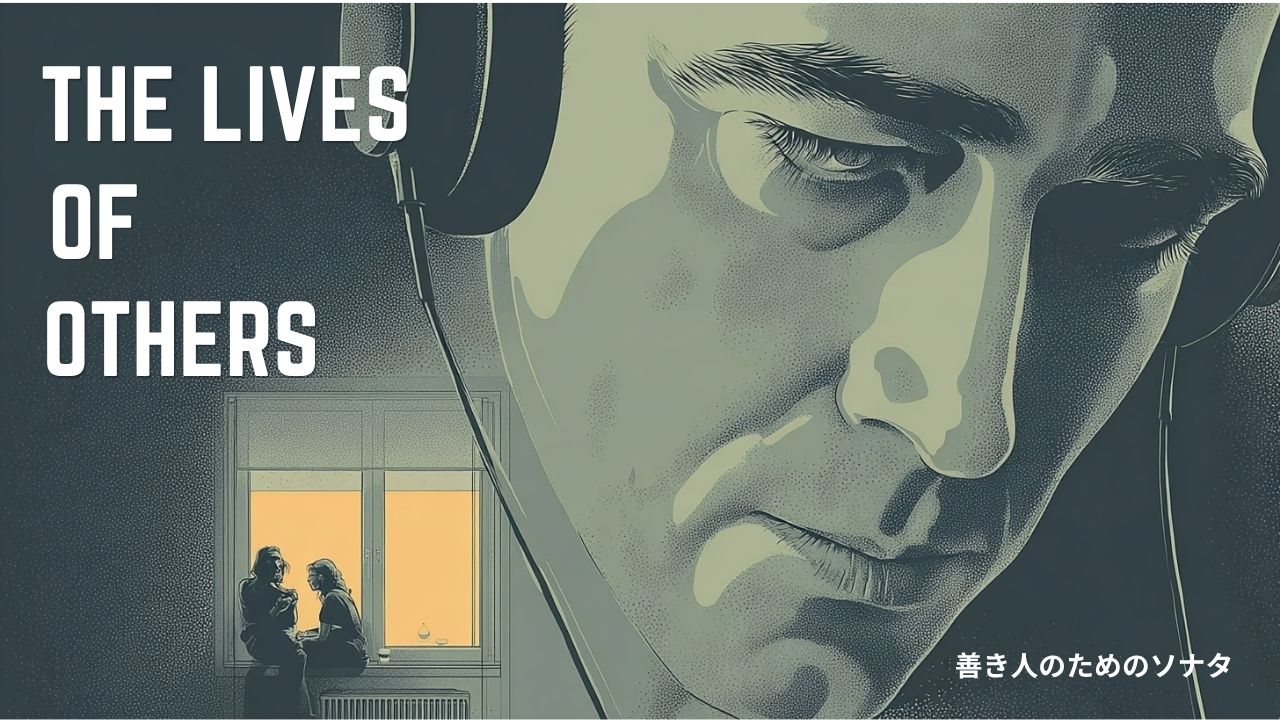
The film is set in 1984 East Germany — a surveillance state in which freedom of expression was systematically eliminated. Gerd Wiesler (Ulrich Mühe), an officer of the Stasi, the East German secret police, is assigned to monitor playwright Georg Dreyman (Sebastian Koch) and his partner, actress Christa-Maria Sieland (Martina Gedeck). Through his headphones come the sounds of theatrical readings, music, and conversations among people who love art. These beautiful things begin, gradually and irreversibly, to change him. The pivotal moment arrives when he hears a piano piece called “Sonata for a Good Man,” played to mourn the death of a friend — and something in Wiesler that had been sealed for years opens.
The film asks why art is a threat to authoritarian regimes, why freedom of expression is the foundation of democracy, and why art has the power to change people. It won the Academy Award for Best Foreign Language Film in 2007 and received eleven nominations at the German Film Awards, winning seven — a record at the time. It was the first serious dramatic film about East German repression made after the fall of the Berlin Wall.
On World Art Day, this is the film to watch.
Basic Information & Synopsis
→ For synopsis and production information, see our Database Article
Director: Florian Henckel von Donnersmarck
Year: 2006
Runtime: 137 minutes
Production: Wiedemann & Berg Filmproduktion
Commemorative Day: World Art Day (April 15)
Background Knowledge
A First Feature from a 33-Year-Old Director
The Lives of Others was Florian Henckel von Donnersmarck’s feature debut, made when he was 33. His parents were from East Germany — originally from Silesian aristocracy in a region transferred to Poland after World War II — and he grew up in West Germany. He has described visiting East Germany as a child, before the Wall fell, and sensing the fear that living as a subject of that state produced in people.
The film’s central idea came to him during film school. He was listening to music when he recalled a passage from Maxim Gorky, who had recorded a conversation with Lenin about Beethoven’s “Appassionata”: Lenin said that he could not listen to music too often — that it made him want to say sweet things and stroke the heads of people who could create such beauty while living in the filthy hell of the world. But he could not do that, he said. He had to beat heads without mercy. Donnersmarck told the New York Times: “Suddenly I had this image in my head of a person sitting in a dark room with headphones on, bugging someone he thinks is an enemy — but what he hears is beautiful music that moves his heart. I sat down and wrote the treatment in a few hours.”
The screenplay was written during a long stay at Heiligenkreuz Abbey, his uncle’s monastery.
Refused Permission to Film at the Real Location
The film’s opening scenes are set at Hohenschönhausen prison — now a memorial to the victims of Stasi repression — but were not filmed there. The memorial’s director, Hubertus Knabe, refused permission. Knabe objected to “making a hero of a Stasi man” and tried to persuade Donnersmarck to change the film. Donnersmarck cited Schindler’s List as a precedent for such a narrative arc. Knabe’s reply: “But that’s the difference. Schindler was real. Wiesler was not.”
This objection raises a genuine question: did Stasi officers like Wiesler actually exist?
Casting and Ulrich Mühe’s Performance
Ulrich Mühe, who played Gerd Wiesler, was himself from East Germany — and had himself been monitored by the Stasi. More painfully, it later emerged that his wife at the time had been an informant who reported on him. He brought that personal history directly to the role, using his understanding of both the surveiller and the surveilled to render Wiesler’s inner conflict with exceptional precision. His performance won the German Film Award for Best Actor, among other honors.
Mühe died of stomach cancer in 2007, one year after the film’s success reached its height. He was 54. His death was a significant loss to German theater and cinema.
Relationship to Real Events, and the Criticism
German writer Christoph Hein wrote in 2019 that the film was partly based on his own life: Donnersmarck had interviewed him in 2002, and his name appeared in the original credits. But Hein felt the film’s dramatic arc bore little resemblance to his actual experience, and asked to have his name removed. He described the film as “not a depiction of East Germany in the 1980s but a frightening story set in a fictional place like Tolkien’s Middle-earth.”
Anna Funder, author of the nonfiction work Stasiland, praised the film in the Guardian while also noting that it was not realistic in one key respect: it would have been essentially impossible for a Stasi officer to conceal information from his superiors, because Stasi officers were themselves under surveillance and almost always operated in teams.
Made Seventeen Years After the Wall Came Down
The film was released in 2006 — seventeen years after the fall of the Berlin Wall. In the intervening period, East German stories had been told primarily through comedies such as Good Bye, Lenin! and Sonnenallee. The Lives of Others was the first serious dramatic film to confront East German repression directly. Donnersmarck had grown up in the West and was only sixteen when the Wall fell. That the film’s tone and authenticity were widely praised despite this remains one of its notable achievements.
What Makes It Exceptional
Ulrich Mühe’s Quiet, Commanding Performance
The film’s greatest strength is Ulrich Mühe’s performance in the lead role. Wiesler is a character with few lines and no visible emotion — and Mühe communicates his entire interior transformation through expression and posture alone.
At the film’s opening, Wiesler is a machine. By its end, he is a man. The progression is shown, not stated: the moment he listens to the Sonata and allows something to cross his face; the moment he decides to take the typewriter; the final scene in which he picks up the book and says quietly, “This is for me.” None of it is explained. All of it is felt. Mühe’s own history — as a man who was surveilled, and betrayed — gives the role a truth that cannot be manufactured.
The Screenplay’s Tension and Moral Complexity
Donnersmarck’s script fuses suspense and moral ambiguity with exceptional control. The film is not a simple story of good and evil. Wiesler serves a system the audience recognizes as evil — and yet the audience comes to care for him, to hope for his choices. That tension is maintained throughout without resolution until the final frames.
The mechanics of the surveillance scenes — Wiesler at his headphones, typing his reports — involve almost no physical action, yet generate sustained psychological pressure. The interrogation of Christa-Maria, the removal of the typewriter, the apartment search: each of these sequences raises the audience’s pulse through implication rather than spectacle.
The Music — “Sonata for a Good Man”
The piece that gives the film its title was composed for the film by Gabriel Yared and Stéphane Moucha. It is a spare, mournful piano work, and the moment it changes Wiesler is the film’s emotional pivot. The idea that music can reach something in a person that argument cannot — that it bypasses ideology and speaks directly to a part of the human being that has not yet been fully extinguished — is made concrete and specific in this scene.
The film’s broader score is equally restrained. There are no sweeping orchestral gestures. The music is quiet and inward, matching the register of the characters’ inner lives.
Visual Contrast and Symbolism
The film’s visual design works through contrast. East Germany is rendered in grey: Wiesler’s apartment is bare, the surveillance equipment is functional and colorless, even Dreyman’s apartment looks cold when seen through the camera’s recording eye. But the private moments of the artists — theater, music, love — are lit with warmth.
After the Wall falls, the color shifts. People’s clothing diversifies. The visual change enacts the arrival of freedom without announcing it.
Wiesler’s own trajectory is tracked the same way. He begins the film in the grey uniform of the Stasi. By the end, delivering mail, he wears something brighter. The transformation is in the clothes as much as the face.
Related Articles
- The Lives of Others Database – Synopsis & Production Details
- Florian Henckel von Donnersmarck – Filmmaker Profile
- Ulrich Mühe – Actor Profile
はじめに
監視国家で芸術が人間の良心を呼び覚まし、抑圧された表現の自由が人々の魂を解放する物語
4月15日は「世界芸術自由の日」(World Art Freedom Day / World Art Day)です。この記念日は、ルネサンスの巨匠レオナルド・ダ・ヴィンチの誕生日を記念してユネスコ(UNESCO)が制定したもので、芸術の重要性、芸術家の自由、表現の自由、そして文化的多様性を祝う国際デーです。世界中で芸術が果たす役割を認識し、創造性を奨励し、そして何よりも、芸術家が自由に創作し、表現する権利を守ることを目的としています。
この特別な日に観る作品として、フロリアン・ヘンケル・フォン・ドナースマルク監督による2006年のドイツ映画**『善き人のためのソナタ』**(原題:Das Leben der Anderen / 英題:The Lives of Others)を強く推奨します。本作は、1980年代の東ドイツという表現の自由が徹底的に抑圧された監視国家を舞台に、芸術が人間の魂に与える力、そして芸術家たちが自由を求めて払う代償を描いた、深く感動的なドラマです。
ウルリッヒ・ミューエ演じる国家保安省(シュタージ)の監視員ゲルト・ヴィースラーは、劇作家ゲオルク・ドライマン(ゼバスティアン・コッホ)とその恋人で女優のクリスタ=マリア・ジーラント(マルティナ・ゲデック)を盗聴する任務を受けます。しかし、ヘッドホンを通して聞こえてくる演劇の朗読、音楽の演奏、そして芸術を愛する人々の会話——これらの「美しいもの」が、冷酷な監視員の心を次第に変えていきます。特に、友人の死を悼んで演奏される「善き人のためのソナタ」というピアノ曲は、ヴィースラーの人間性を決定的に呼び覚ます瞬間となります。
この映画は、芸術が独裁政権にとってなぜ脅威となるのか、表現の自由がなぜ民主主義の基盤なのか、そして芸術が人間を変える力を持つのはなぜかという根源的な問いを、緊張感あふれるドラマとして描き出しています。2007年のアカデミー賞外国語映画賞(現在の国際長編映画賞)を受賞し、ドイツ映画賞では史上最多の11部門にノミネートされ、7部門を受賞した本作は、ベルリンの壁崩壊から17年後に製作された、東ドイツの抑圧について描いた最初の本格的なドラマ映画でした。
世界芸術自由の日に、この作品を通じて、表現の自由の尊さ、芸術家の勇気、そして芸術が持つ変革の力について、改めて考えてみてはいかがでしょうか。
基本情報・あらすじ
→ あらすじや製作情報はデータベース記事へ
監督: フロリアン・ヘンケル・フォン・ドナースマルク
製作年: 2006年
上映時間: 137分
制作: Wiedemann & Berg Filmproduktion
記念日: 世界芸術自由の日(4月15日)
予備知識
フロリアン・ヘンケル・フォン・ドナースマルクの監督デビュー
『善き人のためのソナタ』は、フロリアン・ヘンケル・フォン・ドナースマルクの長編映画監督デビュー作です。制作当時33歳だった彼にとって、これは驚くべき成功でした。
ドナースマルク監督の両親は東ドイツ出身(元々はさらに東のシレジア貴族の出身で、第二次世界大戦後にポーランドに移管された地域から)であり、彼自身は西ドイツで育ちました。子供の頃、ベルリンの壁が崩壊する前に東ドイツを訪れた際、国家の臣民としての恐怖を人々から感じ取ったと語っています。
映画のアイデアは映画学校の課題を考えている時に生まれました。音楽を聴いていた彼は、マクシム・ゴーリキーがレーニンとの会話を記録した文章を思い出します——ベートーヴェンの「熱情」を聴いたレーニンが「音楽を頻繁に聴くことができない。甘い言葉を言いたくなり、こんな美しいものを作れる人々の頭を撫でたくなる。しかし今日、誰の頭も撫でてはならない。頭を叩かなければならない」と語ったというくだりです。ドナースマルクはニューヨーク・タイムズの取材にこう語っています。「突然、暗い部屋でヘッドホンをつけた人物が、自分の思想の敵だと思っている人物を盗聴している映像が浮かんだ。しかし実際に聞こえてくるのは、彼の心を動かす美しい音楽だ。私は座って、数時間でこのトリートメントを書き上げた。」
脚本は、叔父の修道院ハイリゲンクロイツ修道院での長期滞在中に書かれました。
実在の場所での撮影拒否
映画の冒頭のシーンは、ホーエンシェーンハウゼン刑務所(現在はシュタージの抑圧の犠牲者を追悼する記念館)を舞台としていますが、実際にはそこで撮影できませんでした。記念館のディレクターであるフーベルトゥス・クナーベが、ドナースマルクに撮影許可を与えることを拒否したためです。
クナーベは「シュタージの男をヒーローにすること」に反対し、ドナースマルクに映画を変更するよう説得しようとしました。ドナースマルクは『シンドラーのリスト』を例に挙げましたが、クナーベは答えました。「しかし、それこそが違いだ。シンドラーは実在した。ヴィースラーは実在しなかった。」
この批判は重要な論点を提起しています——果たして、ヴィースラーのような良心的なシュタージ職員は実在したのか?
キャスティングとウルリッヒ・ミューエの演技
主役のゲルト・ヴィースラーを演じたウルリッヒ・ミューエは、実際に東ドイツ出身の俳優でした。彼自身、シュタージに監視されており、さらに悲劇的なことに、彼の妻(当時)がシュタージの協力者で、彼を密告していたことが後に明らかになりました。
ミューエはこの個人的な経験を演技に生かし、ヴィースラーの複雑な内面——冷酷さと人間性、忠誠心と良心の間の葛藤——を繊細に表現しています。彼の演技は、ドイツ映画賞の主演男優賞をはじめ、数々の賞を受賞しました。
悲しいことに、ミューエは映画の成功を見た翌年、2007年に胃がんで亡くなりました。享年54歳。彼の死は、ドイツ演劇界と映画界に大きな喪失をもたらしました。
実話との関連と批判
ドイツの作家クリストフ・ハインは、2019年の記事で、この映画が彼の人生を基にしていると述べています。ドナースマルクが2002年に彼にインタビューし、初公開時のクレジットには彼の名前が記載されていました。しかし、ハインは映画の過度に劇的な展開が自分の実体験とは似ても似つかないと感じ、ドナースマルクにクレジットから名前を削除するよう依頼しました。
ハインは「この映画は1980年代の東ドイツを描いているのではなく、トールキンの中つ国のような架空の地で起こる怖い物語だ」と評しています。
ノンフィクション作品『Stasiland』の著者アンナ・ファンダーも、ガーディアン紙のレビューで、映画を「素晴らしい作品」と評価しながらも、現実には忠実ではないと指摘しています。シュタージ職員が上司から情報を隠すことは不可能だった——なぜなら、シュタージ職員自身も監視されており、ほぼ常にチームで行動していたからです。
ベルリンの壁崩壊後17年目の製作
映画はベルリンの壁崩壊から17年後の2006年に公開されました。それまで、東ドイツを扱った映画は、『グッバイ、レーニン!』や『ゾンネンアレー』などのコメディが主流でした。本格的なドラマとして東ドイツの抑圧を描いた最初の作品として、本作は大きな注目を集めました。
興味深いことに、ドナースマルクは東ドイツの外で育ち、ベルリンの壁が崩壊した時はわずか16歳でした。それにもかかわらず、映画の真実味と正確なトーンは広く称賛されました。
優れている点
ウルリッヒ・ミューエの静かで力強い演技
本作の最大の優れた点は、ウルリッヒ・ミューエの主役としての圧倒的な演技です。ヴィースラーというキャラクターは、台詞が少なく、感情を表に出さない人物ですが、ミューエは表情と身体言語だけで、彼の内面の変化を見事に表現しています。
映画の冒頭、ヴィースラーは完全に感情を排した機械的な尋問官です。しかし、ドライマンたちを盗聴するうちに、彼の目に次第に人間性が宿り始めます。「善き人のためのソナタ」を聴いて涙を流すシーン、タイプライターを持ち去る決断の瞬間、そして最後に本を手に取り「これは私のものだ」と静かに言うシーン——これらすべてが、言葉ではなく表情で語られます。
ミューエ自身がシュタージに監視された経験を持つことが、この役に深い真実味を与えています。彼は監視する側と監視される側の両方の心理を理解しており、その複雑さを演技に込めています。
脚本の緊張感と道徳的複雑さ
ドナースマルクの脚本は、サスペンスと道徳的ジレンマを見事に融合させています。映画は、単純な善悪の物語ではありません。ヴィースラーは「悪」の体制に仕える人物ですが、観客は次第に彼に共感し、彼の変化を応援するようになります。
脚本の巧妙さは、緊張感の維持にあります。盗聴のシーンは、物理的なアクションはほとんどありませんが、心理的な緊張に満ちています。ヴィースラーがヘッドホンで聞き、タイプライターで報告書を書く——この静かな行為が、人々の人生を左右します。
クリスタ=マリアの尋問シーン、タイプライターをヴィースラーが持ち去るシーン、家宅捜索のシーン——これらすべてが、観客の心拍数を上げる緊張感を持っています。
音楽の使用——「善き人のためのソナタ」
映画のタイトルにもなっている「善き人のためのソナタ」は、作曲家ガブリエル・ヤレドとステファン・ムーシャによって映画のために作曲されました。この美しく哀切なピアノ曲は、映画の感情的な核心です。
この曲がヴィースラーの心を変える瞬間は、映画の最も重要な転換点です。音楽が持つ変革の力——言葉では説明できない、しかし深く人間の魂に触れる何か——が、完璧に表現されています。
映画全体の音楽も、抑制的でありながら感情的です。派手なオーケストラではなく、静かで内省的な音楽が、登場人物の内面の葛藤を支えています。
視覚的な対比とシンボリズム
映画の視覚デザインは、対比とシンボリズムに満ちています。
東ドイツのシーンは灰色で暗く、抑圧的です。ヴィースラーのアパートは殺風景で、ドライマンのアパートも監視カメラの視点から見ると冷たく見えます。しかし、ドライマンとクリスタ=マリアの私的な瞬間——演劇、音楽、愛——は、暖かい光に包まれています。
壁崩壊後のシーンでは、色彩が明るくなり、人々の服装も多様になります。この視覚的変化が、自由の到来を象徴しています。
また、ヴィースラーの変化も視覚的に表現されています。映画の冒頭、彼は常に灰色の制服を着ていますが、映画の終わり、郵便配達員として働く彼は、より明るい色の服を着ています。