
Choose Your Language / 言語を選択:
Introduction
Coming Out of the Dark, Finding a Voice
June 28 is Stonewall Commemoration Day (LGBTQ Pride Day).
On the night of June 28, 1969, the LGBTQ community resisted a police raid at the Stonewall Inn, a gay bar in Greenwich Village, New York. The resulting Stonewall riots are widely regarded as the beginning of the modern LGBTQ rights movement.
Before that night, LGBTQ people were forced to live in hiding. Police harassment, arrest, and violence were daily realities. But on June 28, 1969, they said: enough.
Coming out of the dark. Speaking. Becoming visible.
For this day, the film to watch is Moonlight (2016), directed by Barry Jenkins. The film is an intimate, poetic coming-of-age story told in three chapters, following a Black gay man from boyhood to adulthood.
With extraordinary performances from Trevante Rhodes, André Holland, Janelle Monáe, Ashton Sanders, Naomie Harris, and Mahershala Ali, the film transcends the coming-of-age genre to become a universal story of intersectionality, masculinity, self-acceptance, and love.
On February 26, 2017, Moonlight won Best Picture — the first film with an all-Black cast and the first LGBTQ-themed film to receive the award. It happened amid the most shocking envelope mix-up in Oscar history. But that night remains the night Hollywood finally recognized diversity.
Stonewall has often been told primarily as a story of white gay men. Moonlight shows the world the people too often left out of that story — Black queer people.
Basic Information & Synopsis
→ For synopsis and production information, see our Database Article
Director: Barry Jenkins
Year: 2016
Runtime: 111 minutes
Production: A24, Plan B Entertainment
Commemorative Day: Stonewall Commemoration Day (June 28)
Synopsis: Liberty City, Miami. The film follows Chiron across three chapters of his life — as a boy nicknamed “Little,” bullied and largely silent, finding an unlikely father figure in a local drug dealer named Juan; as a teenager named Chiron, navigating his mother’s addiction and a first, formative intimacy with a friend named Kevin on a moonlit beach; and as an adult named Black, having reshaped himself into someone hardened and closed off, until a phone call from Kevin years later forces him to confront who he actually is. The film is told entirely through behavior and atmosphere rather than exposition — a study of a single person’s inner life across three actors and three names.
Background Knowledge
Barry Jenkins and Tarell Alvin McCraney — Same Streets, Same Pain, Paths That Never Crossed
Moonlight‘s origin involves an almost impossible coincidence. Director and screenwriter Barry Jenkins and Tarell Alvin McCraney, author of the source play In Moonlight Black Boys Look Blue, both grew up in the 1980s in the same neighborhood — Liberty City, Miami. They attended the same elementary school without ever knowing each other.
Yet their lives carried remarkable parallels: both had mothers struggling with crack addiction, both grew up without knowing their fathers, both spent their boyhoods in the same harsh, poverty- and violence-marked neighborhood. McCraney’s mother died of AIDS; Jenkins’s mother recovered.
When Jenkins read McCraney’s play, he saw himself in the protagonist Chiron. “This is my story,” he thought. But he hesitated — could he, a heterosexual man, adapt a story McCraney had written as a gay man? McCraney trusted him with the adaptation anyway. Their shared experience — poverty, a mother’s addiction, an absent father, the violence of Liberty City — became the story’s solid foundation.
An Intimate Film Made on a Low Budget
Jenkins wrote the screenplay, establishing its three-chapter structure (Little, Chiron, Black), in just ten days — his first feature in eight years, since 2008’s Medicine for Melancholy. Filming took place in Miami in October 2015, over just 25 days, on a budget of $1.5 million. Naomie Harris, who plays Paula, recalled the production as “very low-budget, intimate, collaborative filmmaking,” and shot all of her scenes in just three days. These constraints, rather than limiting the film, gave it its concentrated intimacy.
The film premiered at the Telluride Film Festival in September 2016 to widespread acclaim, appearing on nearly every major year-end best list. For many Black queer men, the film marked the first time they had seen themselves represented on screen.
The Most Shocking Announcement Error in Oscar History
The film may be remembered as much for an incident as for its content. At the February 2017 Academy Awards, presenters Warren Beatty and Faye Dunaway mistakenly announced La La Land as Best Picture, after the accounting firm handed Beatty a backup envelope (for Best Actress) instead. About two minutes into La La Land‘s acceptance speeches, the error was caught and corrected: the actual winner was Moonlight. It was the first time in the Academy Awards’ 88-year history that an incorrect Best Picture winner was announced. The chaos generated enormous attention — and, ironically, briefly obscured the significance of what the film had actually achieved.
What Makes It Exceptional
Nicholas Britell’s Innovative Score — Orchestra Meets Hip-Hop
Composer Nicholas Britell applied the hip-hop remix technique known as “chopped and screwed” to orchestral music, producing a distinctively fluid, bass-heavy score. The fusion of classical and street sensibilities musically renders Chiron’s two worlds — the gentleness he seeks and the violence he lives within.
James Laxton’s Poetic Cinematography
Cinematographer James Laxton uses handheld camera extensively, staying close to Chiron throughout, so the audience experiences the world through his eyes. Color is equally symbolic: vivid hues for boyhood, cold blues and greens for adolescence, purples and magentas for adulthood — Chiron’s inner state rendered through palette.
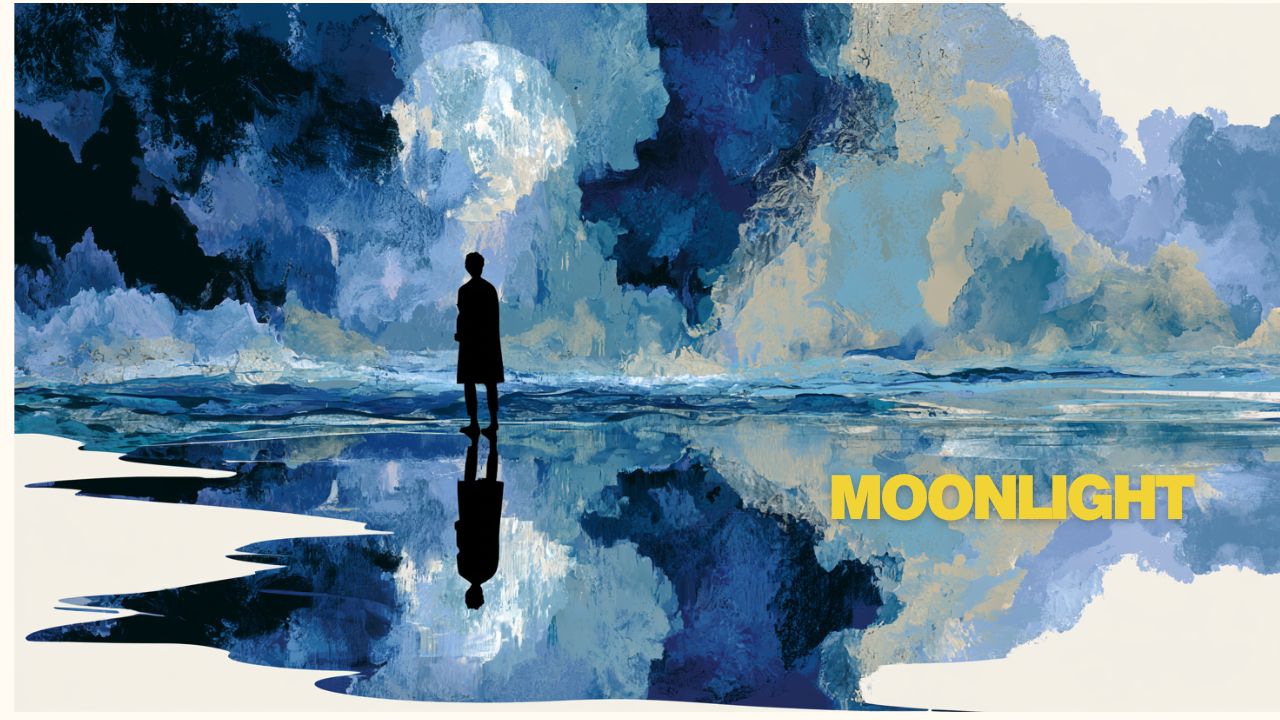
And then the moonlight scene itself: on the beach, Chiron’s skin glowing blue. This is the film’s emotional center and the source of its title.
Three Actors, One Person
Chiron is played by three different actors: Alex Hibbert (Little), making his film debut at nine, conveying isolation through near-total silence; Ashton Sanders (Chiron), embodying vulnerability and suppressed emotion; and Trevante Rhodes (Black), playing the boy hidden beneath an adult’s armor. Physically, the three actors are entirely different. But in the expression of their eyes, the rhythm of their speech, and the way they move, the continuity is unmistakable — the audience believes, completely, that this is one person.
Mahershala Ali — Kindness Embodied
Mahershala Ali’s Juan appears only in the film’s first chapter, yet his presence resonates through the entire film. Juan is a drug dealer. He is also the person who teaches Chiron kindness — how to swim, how to decide things for himself. Ali’s performance is quiet and gentle. Juan never lectures. He is simply present — Chiron’s first model of a father.
Naomie Harris — A Mother’s Fifteen Years in Three Days
Naomie Harris portrays fifteen years of Paula’s life in just three days of shooting. A mother who loves her son while being controlled by addiction — who pushes him away and needs him in the same breath. When she finally apologizes at the rehabilitation facility near the film’s end, her tears are genuine. Harris never plays Paula as simply a “bad mother.” She plays her as a woman fighting a disease.
Related Articles
- Moonlight Database – Synopsis & Production Details
- Barry Jenkins – Filmmaker Profile
- Mahershala Ali – Actor Profile
はじめに
月明かりの下で青く輝く——見えない存在が、ついに見えるようになった夜
6月28日は、ストーンウォール記念日(Stonewall Commemoration Day / LGBTQ Pride Day)です。1969年6月28日、ニューヨークのグリニッジ・ヴィレッジにあるゲイバー「ストーンウォール・イン」で、警察の襲撃に対してLGBTQコミュニティが抵抗し、暴動が発生しました。この「ストーンウォール暴動」は、現代のLGBTQ権利運動の始まりとされています。
それまで、LGBTQの人々は隠れて生きることを強いられていました。警察の嫌がらせ、逮捕、暴力——それらは日常でした。しかし1969年6月28日の夜、彼らは「もう十分だ」と声を上げたのです。
暗闇から出て、声を上げる。見えない存在が、見えるようになる。
この特別な日に観るべき作品として、バリー・ジェンキンス監督による2016年の『ムーンライト』(Moonlight)を強く推奨します。本作は、黒人ゲイ男性の少年期から成人期までを3つの章で描いた、親密で詩的な成長物語です。
トレバンテ・ローズ、アンドレ・ホランド、ジャネール・モネイ、アシュトン・サンダース、ナオミ・ハリス、マヘラシャラ・アリらの卓越した演技により、本作は単なる成長物語を超えて、交差性、男らしさ、自己受容、そして愛についての普遍的な物語となりました。
2017年2月26日、『ムーンライト』は初の全黒人キャストによる作品賞、そして初のLGBTQテーマ映画による作品賞を受賞しました。オスカー史上最も衝撃的な「封筒の間違い」という混乱の中でしたが、それでもこの夜は、ハリウッドがついに多様性を認めた夜となりました。
ストーンウォールは、主に白人ゲイ男性の物語として語られがちです。しかし『ムーンライト』は、その物語ではしばしば見過ごされる人々——黒人クィアの人々——を、世界に見せました。
基本情報・あらすじ
→ あらすじや製作情報はデータベース記事へ
監督: バリー・ジェンキンス
製作年: 2016年
上映時間: 111分
制作: A24、Plan B Entertainment
記念日: ストーンウォール記念日(6月28日)
あらすじ: マイアミ、リバティ・シティ。映画はシャロンの人生を3つの章で追います——「リトル」と呼ばれる少年期、いじめられほとんど無言で過ごす中、地元の麻薬売人フアンに思いがけない父親像を見出す時期。「シャロン」という名の青年期、母の薬物依存と向き合いながら、友人ケヴィンと月明かりの浜辺で経験する最初の親密な瞬間。そして「ブラック」という名の成人期、自分を硬く閉ざした人間へと作り変えてしまった彼が、何年後かのケヴィンからの電話によって、自分が本当は誰なのかに向き合わされる。映画は説明的な台詞ではなく、ふるまいと空気だけで語られます——3人の俳優と3つの名前を通して描かれる、一人の人間の内面の研究です。
予備知識
バリー・ジェンキンスとタレル・アルヴィン・マクレイニー——同じ街、同じ痛み、交わらなかった少年時代
『ムーンライト』の誕生には、奇跡のような偶然がありました。監督・脚本のバリー・ジェンキンスと、原作戯曲『In Moonlight Black Boys Look Blue』の作者タレル・アルヴィン・マクレイニーは、1980年代、フロリダ州マイアミの同じ地区——リバティ・シティ——で育ちました。二人は同じ小学校に通っていながら、お互いを知りませんでした。
しかし、二人の人生には、驚くほどの共通点がありました。どちらも母親がクラック中毒で、どちらも父親を知らずに育ち、貧困と暴力に囲まれた、同じ厳しい地区で少年期を過ごしたのです。マクレイニーの母はエイズで亡くなり、ジェンキンスの母は回復しました。
ジェンキンスがマクレイニーの戯曲を読んだとき、彼は主人公シャロンに自分自身を見ました。「これは僕の物語だ」と。ただし、ためらいもありました。マクレイニーがゲイ男性として書いたこの物語を、異性愛者である自分が映画化していいのか、という迷いです。それでもマクレイニーはジェンキンスを信頼し、脚色を委ねました。二人の共通の経験——貧困、母の依存症、父の不在、リバティ・シティの暴力——が、物語の確かな土台となったのです。
低予算で紡がれた、親密な映画
ジェンキンスは、3つの章(リトル、シャロン、ブラック)の構造を確立した脚本を、わずか10日間で書き上げました。これは彼にとって、2008年の『Medicine for Melancholy』以来、8年ぶりの長編でした。撮影は2015年10月、マイアミでわずか25日間、予算150万ドルという小規模なものでした。ポーラ役のナオミ・ハリスは、この現場を「非常に低予算で、親密で、共同作業のような映画作りだった」と振り返り、自身の出演シーンを、たった3日間で撮り終えたといいます。こうした制約のなかで、かえって作品は、研ぎ澄まされた親密さを獲得しました。
2016年9月、本作はテルライド映画祭でプレミア上映され、その年の主要なベストテンのほぼすべてに名を連ねる絶賛を浴びます。多くの黒人クィアの男性にとって、本作は「自分たちが初めてスクリーンに表現された」瞬間でした。
オスカー史上、最も衝撃的な発表ミス
本作の名は、作品の内容以上に、ある「事件」とともに記憶されているかもしれません。2017年2月のアカデミー賞授賞式、その最後の作品賞の発表で、プレゼンターのウォーレン・ビーティとフェイ・ダナウェイが、誤って『ラ・ラ・ランド』の名を読み上げてしまったのです。会計事務所が、予備の封筒(主演女優賞のもの)を手渡すという手違いが原因でした。『ラ・ラ・ランド』チームが受賞スピーチを始めて約2分後、誤りが判明し、真の受賞作が『ムーンライト』であることが告げられます。作品賞で誤った受賞者が発表されたのは、オスカー88年の歴史で初めてのことでした。この混乱は大きな話題を呼びましたが、皮肉にも、その騒ぎが、本作が成し遂げた歴史的勝利の意義を、一時的に覆い隠してしまった面もありました。
優れている点
ニコラス・ブリテルの革新的な音楽——オーケストラとヒップホップの融合
作曲家ニコラス・ブリテルは、ヒップホップのリミックス技法「チョップド・アンド・スクリュード」をオーケストラ音楽に適用し、「流動的で、低音が効いた」独特のスコアを生み出しました。クラシックとストリートの融合。シャロンの2つの世界——彼が求める穏やかさと、彼が生きる暴力——を音楽で表現しています。
ジェームズ・ラクストンの詩的な撮影
撮影監督ジェームズ・ラクストンは、手持ちカメラを多用し、シャロンに常に寄り添います。カメラは彼の視点から世界を見ます。
色彩も象徴的です。少年期は鮮やかな色彩。青年期は冷たい青と緑。成人期は紫とマゼンタ。シャロンの内面の変化が、色で表現されています。
そして、月明かりのシーン。海辺で、シャロンの肌が青く輝く瞬間。これは映画の核心であり、タイトルの由来です。
3人の俳優が演じる1人の人間
シャロンは、3人の異なる俳優によって演じられます。アレックス・ヒバート(リトル)は9歳の映画デビューで、無言の演技で孤独を表現します。アシュトン・サンダース(シャロン)は脆弱性と抑圧された感情を体現します。トレバンテ・ローズ(ブラック)は鎧の下に隠された少年を演じます。3人は物理的には全く異なりますが、目の表情、話し方の間、体の動きに共通点があります。観客は、これが同じ人物だと信じます。
マヘラシャラ・アリ——優しさの具現化
マヘラシャラ・アリが演じるフアンは、わずか第1章にしか登場しません。しかし、彼の存在は映画全体に響き渡ります。
フアンは麻薬の売人です。でも、彼はシャロンに優しさを教えます。泳ぎ方を教えます。「自分で決めろ」と教えます。アリの演技は、静かで穏やかです。フアンは説教しません。ただ、そこにいます。シャロンにとって、初めての父親像です。
ナオミ・ハリス——わずか3日間で母親の全てを演じる
ナオミ・ハリスは、わずか3日間の撮影で、ポーラの15年間を演じました。
愛しているが、依存症に支配されている母親。息子を追い出し、でも彼を必要としている。最後に更生施設で謝罪する時、彼女の涙は本物です。ハリスは、ポーラを単なる「悪い母親」として演じていません。病気と闘っている女性として演じています。
関連記事
- ムーンライト データベース – あらすじ・製作情報
- バリー・ジェンキンス – 監督プロフィール
- マヘラシャラ・アリ – 俳優プロフィール