
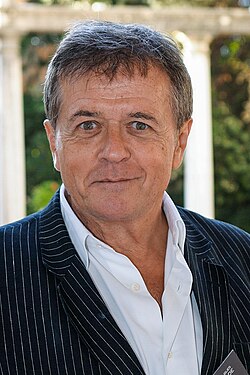
Profile | プロフィール
Born / 生年月日 Patrice Chéreau, November 2, 1944 | 1944年11月2日 Lézigné, Maine-et-Loire, France | フランス・メーヌ=エ=ロワール県レジニエ
Died / 没年 October 7, 2013 (aged 68), Paris, France | 2013年10月7日(68歳没)、フランス・パリ
Occupation / 職業 Theatre, Opera & Film Director, Screenwriter, Actor 演出家(演劇・オペラ)、映画監督、脚本家、俳優
Nationality / 国籍 French | フランス
Known For / 主な活動 La Reine Margot, Intimacy, the 1976 Bayreuth Ring cycle 『王妃マルゴ』『インティマシー/親密』、1976年バイロイトの『指環』
Biography | 経歴
[English] Patrice Chéreau (November 2, 1944 – October 7, 2013) was a French director of theatre, opera, and film, as well as a screenwriter and actor — one of the most important and versatile artists in postwar French culture, revered for the intensity, physicality, and emotional depth of his work across all three art forms. Born in Lézigné, in western France, to a family of painters and raised in Paris, he was drawn to the theatre as a teenager and began directing while still a student, quickly earning acclaim on the Paris stage. He went on to lead major theatrical institutions, and became renowned for his stagings of classical and contemporary drama, championing playwrights such as Bernard-Marie Koltès.
Chéreau achieved international fame as an opera director with his revolutionary staging of Richard Wagner’s Der Ring des Nibelungen at the Bayreuth Festival in 1976 — the centenary “Jahrhundertring,” considered one of the most influential opera productions of the twentieth century. Over the following decades, his work across the world’s great opera houses would come to be regarded as a central part of his artistic legacy.
In parallel, Chéreau built a distinguished career in cinema. After his film debut with The Flesh of the Orchid (1975), he established himself as a bona fide filmmaker with L’Homme Blessé (1983), which won him a César Award for its screenplay. He reached his widest audience with the lavish historical epic La Reine Margot (Queen Margot, 1994), starring Isabelle Adjani, which won the Jury Prize at the Cannes Film Festival. He won the César Award for Best Director for the ensemble drama Those Who Love Me Can Take the Train (1998), the Golden Bear at the Berlin Film Festival for the intimate relationship drama Intimacy (2001), and the Silver Bear for Best Director for His Brother (2003); his later films Gabrielle (2005) and Persécution (2009) both competed at Venice. He also appeared as an actor, memorably as General Montcalm in Michael Mann’s The Last of the Mohicans (1992), and served as president of the jury at the 2003 Cannes Film Festival. He died in Paris in 2013 at the age of 68.
[日本語] パトリス・シェロー(Patrice Chéreau、1944年11月2日〜2013年10月7日)は、フランスの演劇・オペラ・映画の演出家であり、脚本家・俳優でもありました。戦後フランス文化における、最も重要で多才な芸術家の一人であり、その三つの芸術形式すべてにわたる仕事の、激しさ、身体性、そして感情の深みによって、深く敬愛されました。フランス西部のレジニエに、画家の一家に生まれ、パリで育った彼は、10代で演劇に惹かれ、学生のうちから演出を始めて、瞬く間にパリの舞台で評価を得ます。やがて主要な劇場機関を率いるようになり、古典から現代劇まで幅広い演出で名高い存在となり、ベルナール=マリ・コルテスのような劇作家を擁護しました。
シェローは、1976年のバイロイト音楽祭における、リヒャルト・ワーグナーの『ニーベルングの指環』の革新的な演出——20世紀で最も影響力のあるオペラ演出の一つとされる、百周年記念の「世紀の指環(Jahrhundertring)」——によって、オペラ演出家として国際的な名声を得ました。以後の数十年、世界の名だたるオペラハウスでの彼の仕事は、その芸術的な遺産の中核をなすものと見なされるようになります。
それと並行して、シェローは映画でも輝かしいキャリアを築きました。『La Chair de l’Orchidée(蘭の肉体)』(1975)で映画監督デビューを果たしたのち、『傷ついた男』(L’Homme Blessé、1983)で、その脚本によりセザール賞を受賞し、本物の映画作家としての地位を確立します。イザベル・アジャーニ主演の豪奢な歴史大作『王妃マルゴ』(1994)で最も広い観客を得て、同作はカンヌ国際映画祭で審査員賞を受賞しました。群像ドラマ『Those Who Love Me Can Take the Train(列車に乗った男たち)』(1998)でセザール監督賞を、親密な関係を描いたドラマ『インティマシー/親密』(2001)でベルリン国際映画祭の金熊賞を、そして『His Brother(兄の死をめぐって)』(2003)でベルリンの監督賞(銀熊賞)を受賞しました。後年の『ガブリエル』(2005)と『ペルセキューション』(2009)は、いずれもヴェネツィアのコンペティションに出品されています。俳優としても出演し、とりわけマイケル・マンの『ラスト・オブ・モヒカン』(1992)のモンカルム将軍役が知られます。2003年にはカンヌ国際映画祭の審査員長を務めました。2013年、パリにて68歳で世を去っています。
Selected Filmography | 主なフィルモグラフィ
|
Year / 年 |
Title / 作品 |
Notes / 備考 |
|---|---|---|
|
1975 |
The Flesh of the Orchid / 蘭の肉体 |
Feature debut / 監督デビュー |
|
1983 |
L’Homme Blessé / 傷ついた男 |
César – Best Screenplay / セザール脚本賞 |
|
1994 |
Cannes Jury Prize / カンヌ審査員賞 |
|
|
1998 |
Those Who Love Me Can Take the Train / 列車に乗った男たち |
César – Best Director / セザール監督賞 |
|
2001 |
Intimacy / インティマシー/親密 |
Berlin Golden Bear / ベルリン金熊賞 |
|
2003 |
His Brother / 兄の死をめぐって |
Berlin Silver Bear (directing) / ベルリン銀熊賞(監督賞) |
|
2005 |
Gabrielle / ガブリエル |
Venice competition / ヴェネツィア出品 |
|
2009 |
Persécution / ペルセキューション |
Venice competition / ヴェネツィア出品 |
Filmmaking Style | 作風
[English]
Intensity, physicality, and emotional truth. Across theatre, opera, and film, Chéreau was renowned for the raw emotional intensity and bodily immediacy he drew from his performers — an unflinching attention to desire, violence, and vulnerability that gave his work its distinctive charge.
A total artist across forms. Chéreau moved fluidly between stage, opera house, and cinema, and once described all three as fundamentally the same task — “telling stories with actors.” He brought a theatrical director’s command of performance and a painter’s eye for composition to films ranging from grand historical fresco to raw contemporary drama.
[日本語]
激しさ、身体性、そして感情の真実。 演劇、オペラ、映画を横断して、シェローは、演者たちから引き出す、生々しい感情の激しさと、身体の直接性によって名高い存在でした。欲望、暴力、そして傷つきやすさへの、ひるむことのないまなざしが、彼の仕事に、独特の緊張感を与えていました。
形式を越える、全き芸術家。 シェローは、舞台、オペラハウス、映画のあいだを自在に行き来し、かつてその三つを、根本的に同じ仕事——「俳優とともに物語を語ること」——だと語りました。壮大な歴史絵巻から、生々しい現代劇まで、彼は自らの映画に、演劇の演出家としての演技の統御と、画家のような構図の眼を、もたらしたのです。
Awards & Honors | 受賞歴
[English] Chéreau won nearly twenty film awards over his career. His La Reine Margot (1994) took the Jury Prize at the Cannes Film Festival, and Intimacy (2001) won the Golden Bear for Best Film at the Berlin International Film Festival; he also won the Silver Bear for Best Director at Berlin for His Brother (2003). He received two César Awards — Best Screenplay for L’Homme Blessé and Best Director for Those Who Love Me Can Take the Train — and served as president of the jury at the 2003 Cannes Film Festival. Alongside these cinematic honors, he is remembered as one of the towering theatre and opera directors of his time, whose 1976 Bayreuth Ring cycle remains a landmark in the history of opera staging.
[日本語] シェローは、そのキャリアを通じて、20近い映画賞を受賞しました。『王妃マルゴ』(1994)はカンヌ国際映画祭の審査員賞を、『インティマシー/親密』(2001)はベルリン国際映画祭の金熊賞(作品賞)を受賞し、『兄の死をめぐって』(2003)ではベルリンの監督賞(銀熊賞)も受けています。二つのセザール賞——『傷ついた男』の脚本賞と、『列車に乗った男たち』の監督賞——を受賞し、2003年にはカンヌ国際映画祭の審査員長を務めました。こうした映画での栄誉とあわせて、彼は、その時代を代表する演劇・オペラ演出の巨匠の一人として記憶されており、1976年のバイロイトの『指環』は、今なおオペラ演出史における金字塔であり続けています。