
Profile | プロフィール
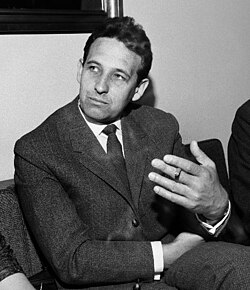
Born / 生年月日 Andrzej Witold Wajda, March 6, 1926 | 1926年3月6日 Suwałki, Poland | ポーランド・スヴァウキ
Died / 没年 October 9, 2016 (aged 90), Warsaw, Poland | 2016年10月9日(90歳没)、ポーランド・ワルシャワ
Occupation / 職業 Film & Theatre Director, Screenwriter 映画・演劇監督、脚本家
Nationality / 国籍 Polish | ポーランド
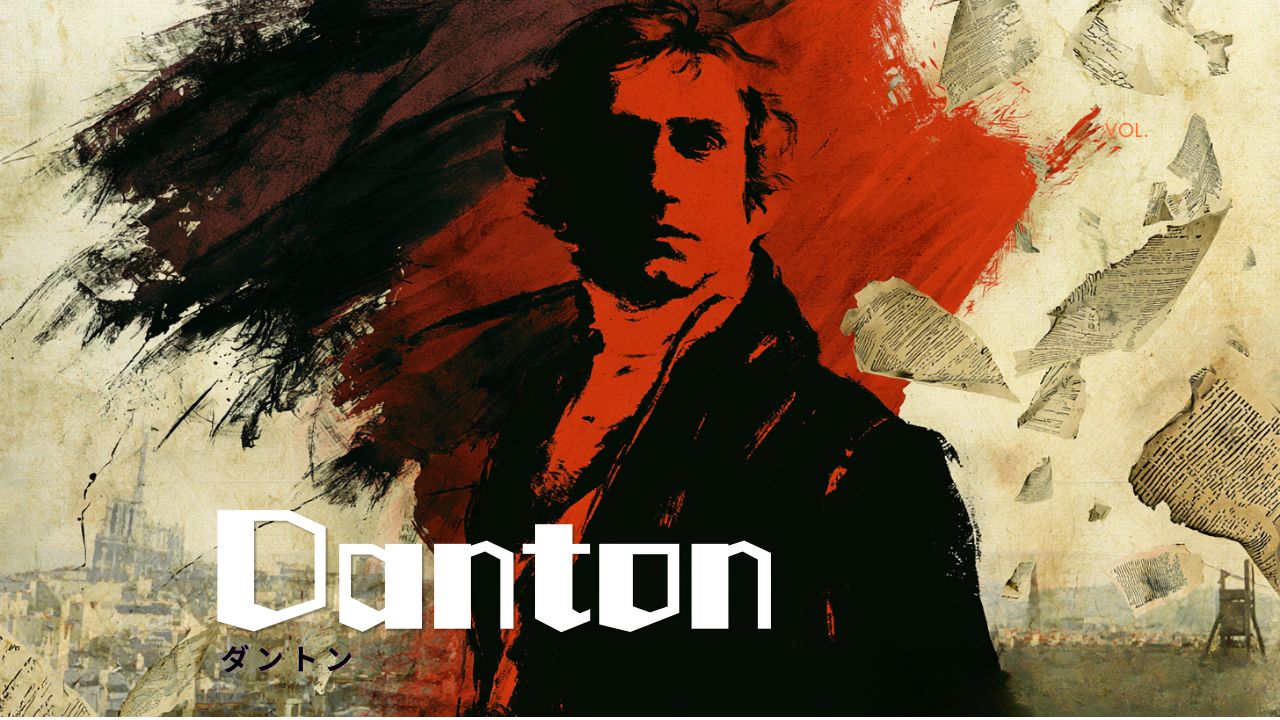
Known For / 主な活動 Ashes and Diamonds, Man of Marble, Man of Iron, Danton, Katyń 『灰とダイヤモンド』『大理石の男』『鉄の男』『ダントン』『カティンの森』
Biography | 経歴
[English] Andrzej Wajda (Andrzej Witold Wajda, March 6, 1926 – October 9, 2016) was a Polish film and theatre director, widely regarded as the greatest filmmaker in Polish history and one of the towering figures of postwar European cinema. For more than sixty years his work served as the cinematic conscience of his nation, chronicling Poland’s turbulent twentieth-century history — war, occupation, communism, and resistance — with moral seriousness, visual power, and deep humanity. Born in Suwałki, the son of an army officer, he lived through the trauma that would shape his life and art: his father was among the thousands of Polish officers murdered by the Soviets in the 1940 Katyn massacre, and as a teenager Wajda served in the Polish resistance (the Home Army) during the Nazi occupation. After the war he studied painting in Kraków before turning to film at the famed Łódź Film School.
Wajda emerged as a leading figure of the “Polish Film School” with a trilogy of war films — A Generation (1955), Kanał (1957), and, most famously, Ashes and Diamonds (1958), a masterpiece of postwar cinema that made a star of actor Zbigniew Cybulski. Over the following decades he moved fluidly between literary adaptations and urgent contemporary subjects, directing acclaimed works such as The Promised Land (1975) and The Young Girls of Wilko (1979), both nominated for the Academy Award for Best Foreign Language Film.
Wajda became the defining artistic voice of Poland’s democratic opposition with Man of Marble (1977) and its sequel Man of Iron (1981) — the latter, made in support of the Solidarity movement, won the Palme d’Or at the Cannes Film Festival. He reached international audiences with the French-produced Danton (1983), a study of the French Revolution widely read as an allegory for his own time. Decades later he confronted his family’s history directly in Katyń (2007), about the massacre that killed his father, earning another Oscar nomination. Wajda received four Academy Award nominations for Best Foreign Language Film and, in 2000, an Honorary Academy Award for his lifetime of work, as well as honorary top prizes at Cannes, Venice, and Berlin. He continued directing into his final years, completing his last film, Afterimage, shortly before his death in 2016 at the age of 90.
[日本語] アンジェイ・ワイダ(Andrzej Witold Wajda、1926年3月6日〜2016年10月9日)は、ポーランドの映画・演劇監督で、ポーランド史上最も偉大な映画作家、そして戦後ヨーロッパ映画の巨匠の一人として広く見なされています。60年を超えるあいだ、その仕事は祖国の「映画における良心」として、ポーランドの激動の20世紀——戦争、占領、共産主義、そして抵抗——を、道徳的な真摯さ、視覚的な力、そして深い人間性をもって記録し続けました。スヴァウキに、軍人の息子として生まれた彼は、その人生と芸術を形づくることになる痛切な体験をくぐり抜けます。父は、1940年のカティンの虐殺でソ連によって殺害された、数千人のポーランド将校の一人でした。そしてワイダ自身も、10代でナチス占領下のポーランドの抵抗運動(国内軍、アルミア・クラヨヴァ)に身を投じます。戦後、クラクフで絵画を学んだのち、名高いウッチ映画大学で映画へと転じました。
ワイダは、戦争三部作——『世代』(1955)、『地下水道』(1957)、そして最も有名な、俳優ズビグニェフ・チブルスキをスターにした戦後映画の傑作『灰とダイヤモンド』(1958)——によって、「ポーランド派」を代表する存在として頭角を現しました。以後の数十年、彼は文学作品の映画化と、切迫した同時代の主題とのあいだを自在に行き来し、『約束の土地』(1975)や『ヴィルコの娘たち』(1979)——ともにアカデミー外国語映画賞にノミネート——といった高く評価される作品を手がけていきます。
ワイダは、『大理石の男』(1977)と、その続編『鉄の男』(1981)によって、ポーランドの民主化運動を象徴する芸術的な声となりました。「連帯(ソリダルノシチ)」運動を支持して作られた後者は、カンヌ国際映画祭でパルムドールを受賞します。フランス製作の『ダントン』(1983)——自らの時代への寓意として広く読み解かれた、フランス革命をめぐる作品——で、国際的な観客を得ました。その数十年後、彼は、父の命を奪った虐殺を描いた『カティンの森』(2007)で、自らの家族の歴史に真正面から向き合い、さらなるアカデミー賞ノミネートを受けています。ワイダは、アカデミー外国語映画賞に4度ノミネートされ、2000年には、その生涯の仕事に対してアカデミー名誉賞を受け、カンヌ・ヴェネツィア・ベルリンでも名誉的な最高賞を受けました。晩年まで監督を続けた彼は、2016年に90歳で世を去る直前、遺作『残像』を完成させています。
Selected Filmography | 主なフィルモグラフィ
|
Year / 年 |
Title / 作品 |
Notes / 備考 |
|---|---|---|
|
1955 |
A Generation / 世代 |
War trilogy (1) / 戦争三部作(1) |
|
1957 |
Kanał / 地下水道 |
War trilogy (2); Cannes Special Jury Prize / 戦争三部作(2)、カンヌ審査員特別賞 |
|
1958 |
Ashes and Diamonds / 灰とダイヤモンド |
War trilogy (3); masterpiece / 戦争三部作(3)、代表作 |
|
1975 |
The Promised Land / 約束の土地 |
Oscar nom. (Foreign Language) / アカデミー外国語映画賞ノミネート |
|
1977 |
Man of Marble / 大理石の男 |
Cannes FIPRESCI Prize / カンヌ国際批評家連盟賞 |
|
1979 |
The Young Girls of Wilko / ヴィルコの娘たち |
Oscar nom. (Foreign Language) / アカデミー外国語映画賞ノミネート |
|
1981 |
Man of Iron / 鉄の男 |
Palme d’Or; Oscar nom. / パルムドール、アカデミー賞ノミネート |
|
1983 |
Danton / ダントン |
César – Best Director / セザール監督賞 |
|
2007 |
Katyń / カティンの森 |
Oscar nom. (Foreign Language) / アカデミー外国語映画賞ノミネート |
|
2016 |
Afterimage / 残像 |
Final film / 遺作 |
Filmmaking Style | 作風
[English]
The conscience of a nation. Wajda’s cinema is inseparable from Polish history: again and again he dramatized his country’s national traumas and myths — the war, the resistance, life under communism, the struggle for freedom — giving the Polish experience an epic, tragic, and morally searching cinematic form.
Painterly images and romantic tragedy. Trained as a painter, Wajda brought a powerful visual sensibility to the screen, rich in symbolism and striking composition, and favored passionate, doomed, romantic heroes caught in the machinery of history — a sensibility that made even his most political films deeply human.
[日本語]
一つの国家の、良心。 ワイダの映画は、ポーランドの歴史と分かちがたく結びついています。彼は幾度となく、祖国の国民的な傷と神話——戦争、抵抗、共産主義下の暮らし、自由を求める闘い——を劇化し、ポーランドの経験に、叙事詩的で、悲劇的で、道徳的に問いを突きつける、映画的な形を与えました。
絵画的な映像と、ロマンティックな悲劇。 画家として訓練を受けたワイダは、象徴性と印象的な構図に満ちた、力強い視覚的感性をスクリーンにもたらしました。そして、歴史の機構に囚われた、情熱的で、破滅的な、ロマンティックな主人公たちを好みました。その感性が、最も政治的な作品にさえ、深い人間味を与えていたのです。
Awards & Honors | 受賞歴
[English] Wajda won the Palme d’Or at the Cannes Film Festival for Man of Iron (1981), and four of his films — The Promised Land, The Young Girls of Wilko, Man of Iron, and Katyń — were nominated for the Academy Award for Best Foreign Language Film. In 2000 he received an Honorary Academy Award for his contribution to cinema, and he was also honored with the César Award for Best Director for Danton (1983), the Honorary Golden Lion at Venice, an Honorary Golden Bear at Berlin, and a Lifetime Achievement Award from the European Film Academy — a distinction he shares with Federico Fellini and Ingmar Bergman. He is universally regarded as Poland’s greatest filmmaker and one of the master directors of world cinema.
[日本語] ワイダは、『鉄の男』(1981)でカンヌ国際映画祭のパルムドールを受賞し、4本の作品——『約束の土地』『ヴィルコの娘たち』『鉄の男』『カティンの森』——がアカデミー外国語映画賞にノミネートされました。2000年には、映画への貢献に対してアカデミー名誉賞を受け、『ダントン』(1983)でセザール監督賞、ヴェネツィアの名誉金獅子賞、ベルリンの名誉金熊賞、そしてヨーロッパ映画アカデミーの生涯功労賞——フェデリコ・フェリーニ、イングマール・ベルイマンと分かち合う栄誉——も受けています。彼は、ポーランド最高の映画作家、そして世界映画の巨匠の一人として、あまねく評価されています。