
Basic Info / 基本情報
|
項目 |
English |
日本語 |
|---|---|---|
|
記念日名 |
International Day of the World’s Indigenous Peoples |
世界先住民の国際デー |
|
日付 |
August 9 (Annual) |
8月9日(毎年) |
|
制定年 |
1994 (proclaimed by UN General Assembly) |
1994年(国連総会により宣言) |
|
初回観察 |
August 9, 1995 |
1995年8月9日 |
|
制定者 |
United Nations General Assembly (Resolution 49/214) |
国連総会(決議 49/214) |
|
由来 |
First meeting of the UN Working Group on Indigenous Populations, Geneva, 1982 |
国連・先住民作業部会の初会合(1982年、ジュネーブ) |
|
2026年テーマ |
Honouring Indigenous Midwives: Safeguarding Life and Well-being |
先住民の助産師を讃える:命と幸福を守る |
|
カテゴリ |
Human Rights / Indigenous Rights / Culture / Environment / SDGs |
人権 / 先住民の権利 / 文化 / 環境 / SDGs |
Introduction: 6% of People, Guardians of the Living World
はじめに:人口の6%、そして生命世界の守り手
[English]
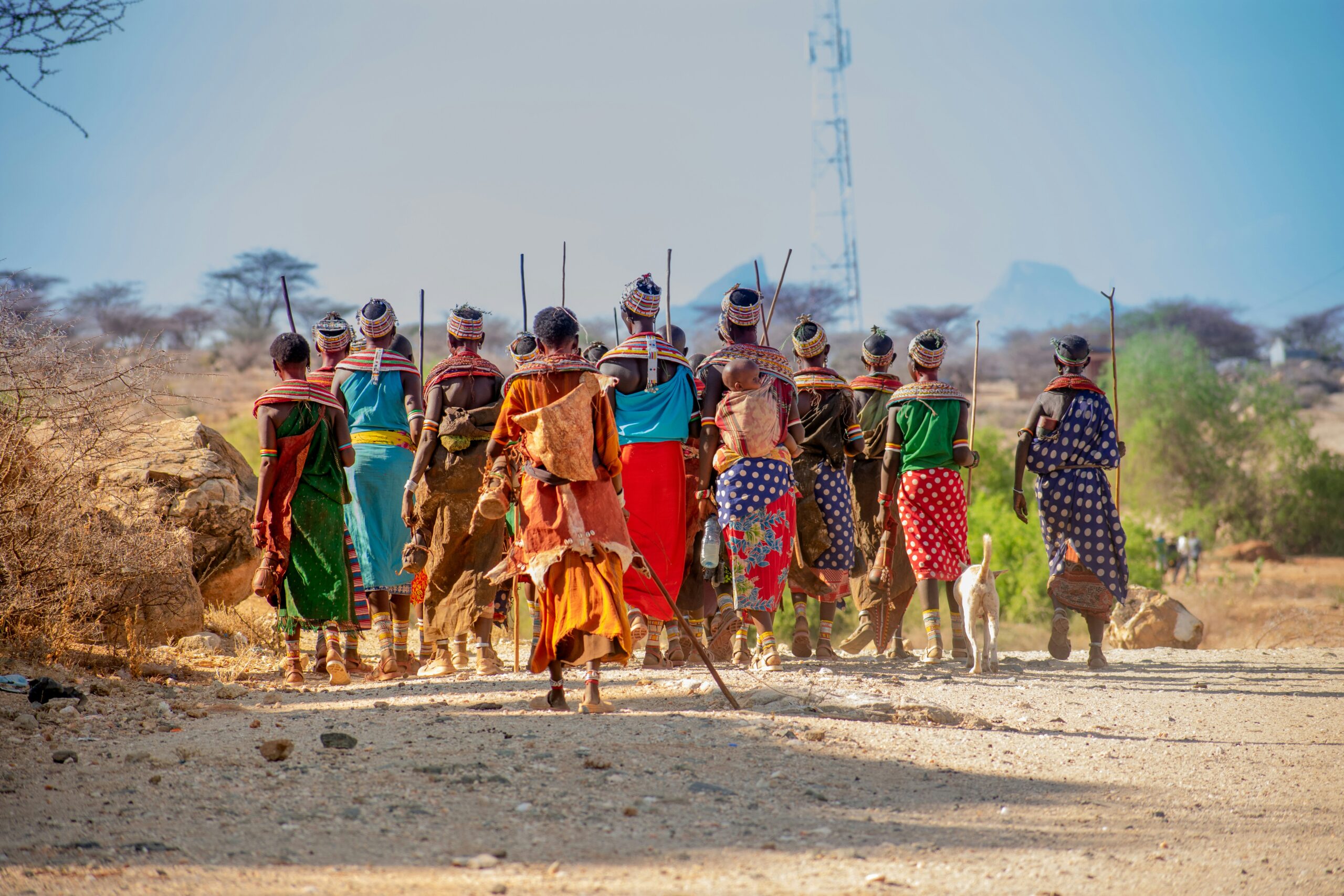
Every year on August 9, the International Day of the World’s Indigenous Peoples honors an estimated 476 million people living across some 90 countries—less than 6% of the global population, yet carriers of an outsized share of humanity’s living heritage. Indigenous Peoples speak the overwhelming majority of the world’s roughly 7,000 languages and represent around 5,000 distinct cultures. They are also, quietly, among the planet’s most important environmental stewards: their territories cover a significant portion of the earth’s surface and hold much of its remaining biodiversity. And yet they remain among the most disadvantaged people in the world, accounting for a strikingly high share of those living in extreme poverty. This day holds both truths at once—celebrating extraordinary cultural richness while refusing to look away from the injustice that still surrounds it.
[日本語]
毎年8月9日の「世界先住民の国際デー」は、およそ90か国にわたって暮らす、推計4億7600万人の人々を讃える日です。世界人口の6%にも満たないその人々が、人類の「生きた遺産」の、不釣り合いなほど大きな部分を担っています。先住民の人々は、世界におよそ7000あるとされる言語の圧倒的多数を話し、およそ5000もの異なる文化を体現しています。そして彼らは、静かに、この惑星のもっとも重要な環境の守り手のひとつでもあります。その暮らす土地は地球の表面のかなりの部分を占め、地球に残された生物多様性の多くを抱えています。それでもなお、彼らは世界でもっとも不利な立場に置かれた人々のひとつであり続け、極度の貧困のなかで暮らす人々のうち、際立って高い割合を占めています。この日は、ふたつの真実を同時に抱えます。並外れた文化の豊かさを祝いながら、その周りにいまなお残る不正義から、目をそらすことを拒むのです。
Origins: A Date That Marks a First Meeting
由来:ひとつの「最初の会合」を刻む日付
[English]
The date of August 9 is not symbolic of a myth or a festival, but of a beginning within the UN itself. It marks the first meeting, held in Geneva in 1982, of the UN Working Group on Indigenous Populations—the body that first gave Indigenous representatives a formal channel to raise their concerns at the international level. On December 23, 1994, the UN General Assembly, by resolution 49/214, decided that this day would be observed every August 9, and the first observance followed in 1995. The day’s institutional foundations deepened over the following years: the UN Permanent Forum on Indigenous Issues was established in 2000, and in 2007 the General Assembly adopted the landmark UN Declaration on the Rights of Indigenous Peoples (UNDRIP), affirming rights to self-determination and to free, prior, and informed consent.
[日本語]
8月9日という日付は、神話や祝祭を象徴するものではなく、国連そのものの内側にある「始まり」を刻んでいます。それは、1982年にジュネーブで開かれた、国連「先住民作業部会(Working Group on Indigenous Populations)」の初会合の日です。この作業部会こそ、先住民の代表者が国際的な場で自らの懸念を訴えるための、初めての正式な回路を与えた組織でした。1994年12月23日、国連総会は決議49/214によって、この日を毎年8月9日に観察することを決定し、初回の観察は翌1995年に行われました。この記念日の制度的な土台は、その後の年月のなかでさらに深められていきます。2000年には「先住民問題常設フォーラム(UNPFII)」が設立され、2007年には総会が画期的な「先住民族の権利に関する国連宣言(UNDRIP)」を採択しました。自己決定の権利、そして「自由で事前の、情報に基づく合意(FPIC)」の権利を、明確に認めた宣言です。
Annual Themes / 年次テーマ
[English]
Each year the UN sets a theme that directs the day’s attention to a specific dimension of Indigenous life and rights—from language and youth to knowledge systems, technology, and health.
[日本語]
国連は毎年テーマを掲げ、その年の関心を、先住民の暮らしと権利の特定の側面へと向けます。言語や若者から、知識体系、テクノロジー、そして健康まで、その射程は多岐にわたります。
|
年 |
テーマ(English) |
テーマ(日本語) |
|---|---|---|
|
2026 |
Honouring Indigenous Midwives: Safeguarding Life and Well-being |
先住民の助産師を讃える:命と幸福を守る |
|
2025 |
Indigenous Peoples and AI: Defending Rights, Shaping Futures |
先住民とAI:権利を守り、未来をかたちづくる |
|
2023 |
Indigenous Youth as Agents of Change for Self-determination |
自己決定に向けた変化の担い手としての先住民の若者 |
|
2022 |
The Role of Indigenous Women in the Preservation and Transmission of Traditional Knowledge |
伝統的知識の保存と継承における先住民女性の役割 |
|
2021 |
Leaving No One Behind: Indigenous Peoples and the Call for a New Social Contract |
誰も取り残さない:先住民と、新しい社会契約への呼びかけ |
The 2026 Theme: Honouring Indigenous Midwives
2026年のテーマ:先住民の助産師を讃える
[English]
The 2026 observance carries the theme “Honouring Indigenous Midwives: Safeguarding Life and Well-being.” It recognizes Indigenous midwives as knowledge holders and caregivers—practitioners of traditional understanding around pregnancy, childbirth, maternal care, and community health that has been passed down across generations. In many Indigenous cultures, health is not viewed as an individual matter alone but as a collective right, bound up with community, land, and the natural world. The theme reaffirms the enduring value of these knowledge systems while pressing a dual demand: that Indigenous healthcare practices be respected, and that Indigenous communities also have access to safe, quality healthcare without discrimination—two aims that belong together rather than in tension.
[日本語]
2026年は、「先住民の助産師を讃える:命と幸福を守る(Honouring Indigenous Midwives: Safeguarding Life and Well-being)」 をテーマに掲げます。このテーマは、先住民の助産師を「知識の担い手」であり「ケアの担い手」として認めるものです。妊娠、出産、母体のケア、そして地域の健康をめぐる伝統的な理解を実践し、それを世代から世代へと受け継いできた人々として――。多くの先住民文化において、健康は個人だけの問題としてではなく、共同体や土地、自然界と分かちがたく結びついた「集団の権利」としてとらえられます。このテーマは、そうした知識体系が持ち続ける価値をあらためて確認すると同時に、ふたつの要求を並べて突きつけます。先住民の医療の実践が尊重されること。そして同時に、先住民の共同体が、差別を受けることなく、安全で質の高い医療にアクセスできること。このふたつは、対立するものではなく、本来ともにあるべき目標なのです。
Related Review / 関連レビュー
🔗 English Review
[International Day of the World’s Indigenous Peoples / August 9] The Road the Girls of the “Stolen Generations” Walked to Their Mother
🔗 日本語レビュー
【世界先住民の国際デー/8月9日】「盗まれた世代」の少女たちが、母のもとへ歩いた道