
Choose Your Language / 言語を選択:
Introduction
January 5th is “Cinderella Day.” This commemorative day originates from January 5, 1956, when Hollywood actress Grace Kelly and Prince Rainier III of Monaco announced their engagement. A Hollywood actress at the peak of her popularity proposed to by a prince, becoming a real princess—this modern fairy tale gave dreams and hope to people worldwide, becoming synonymous with “Cinderella story.”
Grace Kelly, known as “Cool Beauty,” captivated many film fans with her refined beauty. Known for her appearances in Hitchcock films like Rear Window, The Country Girl, and Dial M for Murder, she had a fateful encounter with Prince Rainier III at the 1955 Cannes Film Festival, announced their engagement on January 5, 1956, just one year later, and held the “wedding of the century” in April of that year. From Hollywood actress to real princess—this extraordinary story is the origin of Cinderella Day.
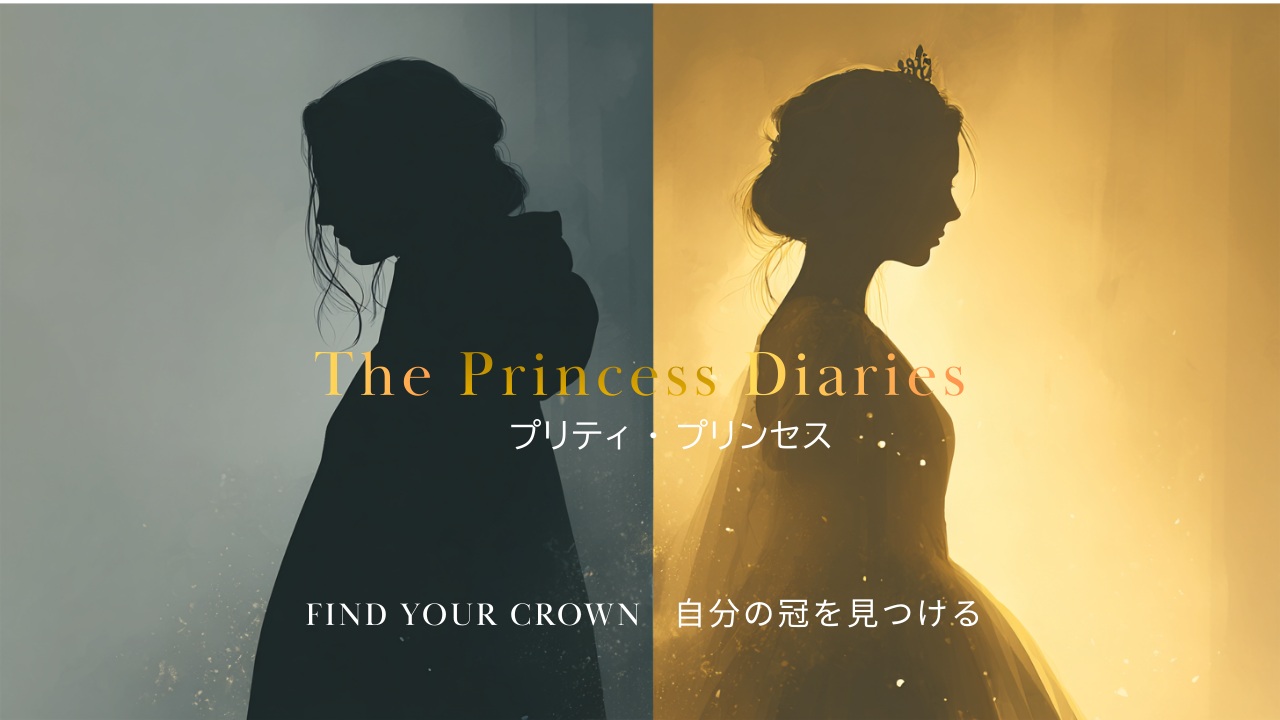
For Cinderella Day, no film is more fitting than Disney’s 2001 production The Princess Diaries. A shy, awkward high school girl suddenly learns she’s a princess—based on Meg Cabot’s novel of the same name, this film is the perfect 21st-century Cinderella story.
Director Garry Marshall (Pretty Woman, Runaway Bride) depicts a coming-of-age story that’s not merely a fairy tale. Beyond physical transformation, the film carefully depicts protagonist Mia’s journey to becoming a “princess” in the true sense through acquiring self-confidence, trials of friendship, and choices between responsibility and freedom. It’s Anne Hathaway’s film debut, recording the moment of her star birth.
At the start of the new year, receiving courage to believe in one’s own possibilities and take a new step forward—that’s the magic The Princess Diaries possesses, befitting Cinderella Day.
Basic Information & Synopsis
→ For detailed synopsis and production information, see our Database Article
Director: Garry Marshall
Year: 2001
Runtime: 115 minutes
Studio: Walt Disney Pictures
Commemorative Day: Cinderella Day (January 5)
Background Knowledge
Production Background: From Novel to Film
The Princess Diaries is based on author Meg Cabot’s 2000 young adult novel The Princess Diaries. Cabot’s agent saw film potential in the novel and approached Debra Martin Chase, who had recently produced the TV movie Rodgers & Hammerstein’s Cinderella (1997). Seeing the common “rags to riches” and “Cinderella-type” themes, Chase read the novel, liked it, and convinced Disney to realize it as a feature film project.
Disney chairman Peter Schneider approved the project as part of “efforts to reestablish the Disney brand for live-action family films.” In August 1999, Disney greenlit production, agreeing to co-produce with singer Whitney Houston’s BrownHouse Productions. This was Houston’s first feature film production venture and her studio’s second film following Cinderella.
Director Garry Marshall was recruited. He had successfully launched the “Pretty” series with Pretty Woman (1990) and Runaway Bride (1999). Marshall was drawn to the idea that “a girl grows into a woman and realizes she can make a positive impact on the world,” feeling it was ideal family entertainment appealing to girls, boys, and adults alike. The director also stated he liked “films about female wish fulfillment and empowerment.”
An interesting episode: the original script had a typo reading “The Princess Dairies,” and Marshall almost declined, thinking it was about cows (dairy). The film was initially titled The Princess of Tribeca, set in New York like the original novel, but Marshall wanted to dedicate the film to his hometown of San Francisco, where he lived with his granddaughters, so the setting was changed to San Francisco and the title reverted.
Cabot was minimally involved in film production, though consulted about story and character changes. She stated “I didn’t think Garry Marshall needed ‘help’ making a movie… from a novelist with absolutely no experience making films” and distanced herself from the creative process. While acknowledging the challenge of adapting a 300-page diary-format novel into a 90-page screenplay, she was satisfied with the final result and Marshall’s direction.
Anne Hathaway: Star Birth Moment
After Juliette Lewis declined, then 18-year-old Anne Hathaway was cast as Mia Thermopolis. This was her first major film role. Multiple well-known young actresses were candidates. Liv Tyler was especially considered the top candidate, but Marshall’s granddaughters felt “Hathaway had more princess-like hair,” so Hathaway was ultimately chosen.
Hathaway auditioned during a 26-hour layover in Los Angeles while en route to New Zealand for filming The Other Side of Heaven (2001). Her previous acting credits included only the short-lived TV series Get Real. Though nervous enough to fall off her chair during the audition, her natural clumsiness reportedly impressed Marshall. Hathaway was cast after audition only, without screen test.
Marshall thought other candidates could embody Mia’s comedic aspects, but felt only Hathaway possessed the “grace and dignity” needed to perform the climactic speech. Her appearance and acting evoked Julia Roberts, who achieved great success in Pretty Woman, and Marshall described Hathaway as “like a fusion of Roberts, comedian Harpo Marx, and his sister, actress-director Penny Marshall.”
Hathaway gained weight for the role to approach “normal teenager.” She empathized with Mia’s personality and lack of confidence, finding similarities between high school Mia’s shyness and her own awkwardness.
Despite mixed critical reception, The Princess Diaries became an unexpected hit, grossing $165.3 million worldwide. This success established Hathaway as a bankable actress, and she subsequently appeared in numerous acclaimed works including The Devil Wears Prada (2006), Les Misérables (2012, winning Academy Award for Best Supporting Actress), and Interstellar (2014), becoming one of Hollywood’s leading actresses.
Interestingly, Hathaway officially announced her appearance in The Princess Diaries 3 in October 2024. Currently in production preparation, Disney is reportedly planning to start filming in 2025. Fans worldwide eagerly await her return as Mia after 23 years.
Julie Andrews’ Return
Semi-retired Julie Andrews was cast as Queen Clarisse Renaldi. This marked her return to Disney after 37 years since Mary Poppins (1964).
Marshall personally invited Andrews to discuss the film, convincing Andrews, already a fan of his work. She accepted the role based solely on conversation with Marshall, without reading the script. Though rumors suggested Sophia Loren was offered the role, Marshall claims Andrews was the first and only actor considered. Marshall had been her fan since Broadway’s My Fair Lady (1956).
Actually, Mia’s grandmother character was specifically expanded with Andrews in mind. In the original novel, the father was alive and played an important role, but producers decided to make Mia’s father deceased because they wanted Andrews to play Clarisse from the start. Learning of Andrews’ involvement, Cabot approved this change, and much of the father’s dialogue was rewritten for Mia’s grandmother.
Andrews, known throughout her career for playing nobility, incorporated knowledge gained about European royalty and British royal family into her performance. Queen Elizabeth II herself had awarded Andrews Dame Commander of the British Empire the previous year. Marshall gave Andrews considerable creative freedom regarding Clarisse’s role.
Cabot initially worried Andrews was too kind to play a strict character, but ultimately felt her performance possessed the necessary combination of royal dignity and grandmotherly warmth.
The film’s success reportedly led to Andrews’ return to cinema.
Hector Elizondo: Marshall’s Lucky Charm
Hector Elizondo, who plays Joe, Queen Clarisse’s loyal head of security, holds a special place in Garry Marshall’s filmography. Elizondo appeared in every single film Marshall directed—a remarkable 18-film collaboration spanning from The Flamingo Kid (1984) to Mother’s Day (2016).
Marshall considered Elizondo his “lucky charm” and good luck talisman. Their professional relationship transcended typical director-actor dynamics, becoming a deep friendship built on trust and mutual respect. Marshall once stated, “I won’t make a movie without Hector. He’s my good luck charm.”
In The Princess Diaries, Elizondo’s Joe embodies quiet strength and chivalric devotion. His character serves as Queen Clarisse’s confidant, protector, and ultimately, romantic interest. The warmth and dignity Elizondo brings to Joe—particularly in scenes showing his selfless love for both the Queen and Mia—provides the film’s emotional anchor.
The touching dynamic between Joe and Queen Clarisse, culminating in their romantic relationship revealed in the sequel, showcases Elizondo’s ability to convey deep emotion through understated performance. His presence represents Marshall’s filmmaking philosophy: surrounding himself with trusted collaborators who understand his vision of depicting kindness, loyalty, and the transformative power of love.
Homages to Pretty Woman
The film contains several references to Marshall’s masterpiece Pretty Woman. Both works share “Pygmalion-style transformation stories” and share several cast members including Hector Elizondo and Larry Miller (hairdresser Paolo).
Most notably, Alan Kent, playing a waiter, says the same line “It happens all the time” in the scene where Mia accidentally breaks a glass that he said to Julia Roberts’ character in Pretty Woman. In Pretty Woman, Vivian accidentally launched an escargot, and the waiter caught it saying the same line. Marshall intentionally cast the same actor Alan Kent, recreating this scene as a stylish fan service. Interestingly, Kent appears again in the sequel The Princess Diaries 2, saying the same line.
What Makes It Exceptional
Honesty Depicting Internal Growth Beyond External Appearance
Many Cinderella stories resolve when the protagonist’s appearance changes. However, The Princess Diaries’ excellence lies in clearly showing that makeover is merely the beginning—true growth is internal.
When Mia’s hair straightens and glasses come off, she certainly becomes beautiful. But that alone doesn’t make her a princess. Despite changed appearance, she remains clumsy, repeating failures. The gym class disaster, betrayal at the party—beautiful appearance doesn’t solve problems.
True change occurs when Mia confronts herself. Reading her father’s letter, thinking about why she lives and for whom she uses her power—then Mia truly grows. She understands being princess isn’t about wearing a tiara, but accepting responsibility.
In the final speech, Mia isn’t perfect. Her car broke down, she’s soaked in pouring rain, her voice trembles with nervousness. But that imperfection is her truth and strength. Marshall depicted not a perfect princess, but a courageous princess who, despite flaws, tries to do right.
Meticulously Crafted Costume Design
Costume designer Gary Jones (who had worked with Marshall on previous films) was attracted to the variety of costumes required for The Princess Diaries, calling this project “a costume designer’s dream come true.”
Queen Clarisse’s costumes were designed by Jones in close collaboration with Andrews, drawing inspiration from Chanel, Bill Blass, and Christian Dior. The gown Andrews wears at the state dinner is handmade in China, an homage to her role as Eliza Doolittle in My Fair Lady.
Mia’s costumes were also meticulously planned. Jones initially envisioned Mia as a character self-conscious about her body, so layered long sleeves and loose clothing. Mia’s periwinkle (pale blue-purple) state dinner gown was inspired by Sweden’s Crown Princess Victoria, with Jones describing this dress as homage to Renaissance period and Romeo and Juliet. The dress was accessorized with an 18-carat diamond ring.
Attention to tiaras and jewelry is also impressive. Both Hathaway’s and Andrews’ tiaras were custom-designed, carefully chosen to suit each character’s age. The tiara and jewelry Andrews wears in The Princess Diaries’ final scene were made of diamonds worth $500,000, loaned to production by jeweler Harry Winston. Jones worked closely with Harry Winston to obtain several unique gems. Security guards constantly followed to protect Andrews and ensure all jewelry was returned at day’s end. Andrews’ peach taffeta ball gown was accessorized with a 100-carat necklace consisting of four rows of diamonds.
Meanwhile, Hathaway’s tiara was considerably less expensive, made of cubic zirconia rather than real gems. This reflected Mia’s character—a princess-in-training not yet enthroned. The crowns and tiaras worn by both actresses are now preserved in the Walt Disney Archives, archived in 2016 commemorating the film’s 15th anniversary.
Related Articles
- The Princess Diaries Database – Synopsis & Production Details
- Garry Marshall – Filmmaker Profile
はじめに
1月5日は、「シンデレラの日」です。この記念日は、1956年1月5日に、ハリウッド女優グレース・ケリーとモナコ公国のレーニエ3世が婚約を発表したことに由来しています。人気絶頂のハリウッド女優が王子様からプロポーズされ、本当のプリンセスになった——この現代のおとぎ話は、世界中の人々に夢と希望を与え、まさに「シンデレラストーリー」の代名詞となりました。
グレース・ケリーは「クール・ビューティー」として知られ、気品に満ちた美しさで多くの映画ファンを魅了していました。映画『裏窓』『喝采』『ダイヤルMを廻せ!』などヒッチコック作品への出演で知られる彼女が、1955年のカンヌ国際映画祭でレーニエ3世と運命の出会いを果たし、わずか1年後の1956年1月5日に婚約、同年4月に「世紀の結婚式」を挙げました。ハリウッド女優から本物のプリンセスへ——この現実離れした物語こそが、シンデレラの日の由来です。
シンデレラの日に観る作品として、ディズニーが2001年に制作した『プリティ・プリンセス』(The Princess Diaries)ほど相応しい映画はありません。内気で冴えない女子高生が、ある日突然プリンセスだと知らされる——メグ・キャボットの同名小説を原作としたこの映画は、21世紀の完璧なシンデレラストーリーです。
ゲイリー・マーシャル監督(『プリティ・ウーマン』『プリティ・ブライド』)が描く、少女の成長物語は、単なるおとぎ話ではありません。外見の変化だけでなく、自己肯定感の獲得、友情の試練、責任と自由の選択を通じて、主人公ミアが本当の意味で「プリンセス」になっていく過程が丁寧に描かれています。アン・ハサウェイの映画デビュー作であり、彼女のスター誕生の瞬間を記録した作品でもあります。
新年の始まりに、自分自身の可能性を信じ、新たな一歩を踏み出す勇気をもらえる——それが『プリティ・プリンセス』が持つ、シンデレラの日にふさわしい魔法です。
基本情報・あらすじ
→ 詳しいあらすじや製作情報はデータベース記事へ
監督: ギャリー・マーシャル
製作年: 2001年
上映時間: 115分
制作スタジオ: ウォルト・ディズニー・ピクチャーズ
記念日: シンデレラの日(1月5日)
予備知識
制作背景:小説から映画へ
『プリティ・プリンセス』は、作家メグ・キャボットが2000年に発表したヤングアダルト小説『プリンセス・ダイアリー』を原作としています。キャボットのエージェントは、この小説に映画化の可能性を見出し、テレビ映画『ロジャース&ハマースタインのシンデレラ』(1997年)を最近プロデュースしたデブラ・マーティン・チェイスに打診しました。「貧困から富豪になる」「シンデレラ型」という共通テーマから、チェイスは小説を読んで気に入り、ディズニーを説得して長編プロジェクトとして実現させました。
ディズニーの会長ピーター・シュナイダーは、「実写ファミリー映画のためのディズニーブランドを再確立する努力」の一環として、このプロジェクトを承認しました。1999年8月、ディズニーは製作にゴーサインを出し、歌手ホイットニー・ヒューストンのブラウンハウス・プロダクションズと共同製作することに合意しました。これはヒューストンにとって最初の長編映画製作ベンチャーであり、彼女のスタジオにとっては『シンデレラ』に続く2作目の映画でした。
ゲイリー・マーシャル監督が起用されました。彼は『プリティ・ウーマン』(1990年)と『プリティ・ブライド』(1999年)で「プリティ」シリーズを成功させていました。マーシャルは、「少女が女性に成長し、世界に良い影響を与えることができると気づく」というアイデアに惹かれ、少女、少年、大人すべてにアピールする理想的な家族向け娯楽作品だと感じました。さらに、監督は「女性の願望成就とエンパワーメントの映画」が好きだと語っています。
興味深いエピソードとして、元の脚本に「The Princess Dairies」という誤植があり、マーシャルは牛(dairy)の映画だと勘違いして断るところでした。この映画は当初『トライベッカのプリンセス』というタイトルで、原作と同じくニューヨークを舞台とする予定でしたが、マーシャルが自身と孫娘たちの故郷であるサンフランシスコに映画を捧げたいと考え、舞台をサンフランシスコに変更したため、タイトルも元に戻されました。
キャボットは映画製作にはほとんど関わっていませんが、ストーリーや登場人物の変更について相談は受けました。彼女は「ゲイリー・マーシャルが映画を作るのに『助け』が必要だとは思わない…映画製作の経験が全くない小説家から」と述べ、創作過程から距離を置きました。日記形式で書いた300ページの小説を90ページの脚本に翻案するという難題を認めつつも、最終結果とマーシャルの演出には満足していたと語っています。
アン・ハサウェイ:スター誕生の瞬間
ジュリエット・ルイスが辞退した後、当時18歳のアン・ハサウェイがミア・サーモポリス役に抜擢されました。これは彼女にとって初の主要映画役でした。複数の有名若手女優が候補に挙がっていました。特にリヴ・タイラーが最有力候補とされていましたが、マーシャルの孫娘たちが「ハサウェイの方がお姫様のような髪をしている」と感じたため、最終的にハサウェイが選ばれました。
ハサウェイは『アザー・サイド・オブ・ヘブン』(2001年)の撮影のためニュージーランドに向かう途中、ロサンゼルスで26時間の乗り継ぎ時間を利用してオーディションを受けました。それ以前の女優としてのクレジットは、短命に終わったテレビシリーズ『ゲット・リアル!』のみでした。オーディションで緊張のあまり椅子から転げ落ちたハサウェイでしたが、彼女の生来の不器用さがマーシャルに感銘を与えたと言われています。ハサウェイはスクリーンテストを受けることなく、オーディションのみでキャスティングされました。
マーシャルは、ミアのコメディ的な側面を体現できる候補者は他にもいると考えていましたが、クライマックスのスピーチを演じるために必要な「優雅さと威厳」を備えているのはハサウェイだけだと感じました。彼女の容姿と演技は、『プリティ・ウーマン』で大成功を収めたジュリア・ロバーツを彷彿とさせ、マーシャルはハサウェイを「ロバーツ、コメディアンのハーポ・マルクス、そして自身の妹で女優兼監督のペニー・マーシャルを融合させたような人物」と表現しました。
ハサウェイは役作りのために体重を増やし、「普通のティーンエイジャー」に近づけました。彼女はミアの性格や自信のなさに共感し、高校時代のミアの内気さと自身のぎこちなさに類似点を見出しました。
『プリティ・プリンセス』は批評家からの賛否両論の評価にもかかわらず、全世界で1億6,530万ドルの興行収入を記録する思わぬヒットとなりました。この成功により、ハサウェイは稼げる女優としての地位を確立し、その後『プラダを着た悪魔』(2006年)、『レ・ミゼラブル』(2012年、アカデミー賞助演女優賞受賞)、『インターステラー』(2014年)など、数々の名作に出演してハリウッドを代表する女優の一人となりました。
興味深いことに、ハサウェイは2024年10月に『プリティ・プリンセス3』への出演を正式に発表しました。現在製作準備中で、ディズニーは2025年中の撮影開始を計画していると報じられています。23年ぶりにミアとして戻ってくる彼女の姿を、世界中のファンが心待ちにしています。
ジュリー・アンドリュースの復帰
半引退していたジュリー・アンドリュースがクラリス・レナルディ女王役に抜擢されました。これは彼女にとって『メリー・ポピンズ』(1964年)以来37年ぶりのディズニー作品への復帰となりました。
マーシャルはアンドリュースを個人的に招いて映画について話し合い、既に彼の作品のファンであったアンドリュースを説得しました。彼女は脚本を読むことなく、マーシャルとの会話だけに基づいて役を引き受けました。ソフィア・ローレンがこの役をオファーされたとの噂もありますが、マーシャルはアンドリュースが検討した最初で唯一の俳優だったと主張しています。マーシャルはブロードウェイの『マイ・フェア・レディ』(1956年)以来の彼女のファンでした。
実は、ミアの祖母のキャラクターは、アンドリュースを念頭に置いて特に拡張されました。原作小説では父親が存命で重要な役割を果たしていましたが、プロデューサーはクラリスの役を最初からアンドリュースに演じさせたいと考えたため、ミアの父親を故人にする決定を下しました。アンドリュースの関与を知ると、キャボットはこの変更を承認し、父親のセリフの多くはミアの祖母のために書き直されました。
キャリアを通じて貴族を演じることで知られるアンドリュースは、ヨーロッパの王族やイギリス王室について得た知識を演技に取り入れました。エリザベス2世自身も1年前にアンドリュースに大英帝国勲章デイムを授与していました。マーシャルはクラリスの役柄に関してアンドリュースにかなりの創造的自由を与えました。
キャボットは当初、アンドリュースは優しすぎて厳格なキャラクターを演じることができないのではないかと懸念していましたが、最終的には彼女の演技には王族らしさと祖母らしい温かさの両方が必要な組み合わせを備えていると感じました。
この映画の成功は、アンドリュースの映画界復帰につながったとされています。
ヘクター・エリゾンド:マーシャルの幸運のお守り
女王クラリスの忠実な警備責任者ジョーを演じたヘクター・エリゾンドは、ギャリー・マーシャル監督の映画作品において特別な位置を占めています。エリゾンドはマーシャルが監督したすべての映画に出演しました——『フラミンゴ・キッド』(1984年)から『マザーズ・デイ』(2016年)まで、驚異の18作品におよぶコラボレーションです。
マーシャルはエリゾンドを自分の「幸運のお守り(lucky charm)」と呼び、彼なしでは映画を作らないと公言していました。二人のプロフェッショナルな関係は、典型的な監督と俳優の関係を超え、信頼と相互尊敬に基づく深い友情となりました。マーシャルはかつて「ヘクターなしで映画は作らない。彼は僕の幸運のお守りだ」と述べています。
『プリティ・プリンセス』において、エリゾンドのジョーは静かな強さと騎士道精神を体現しています。彼のキャラクターは、クラリス女王の相談相手、保護者、そして最終的にはロマンティックな関心の対象として機能します。エリゾンドがジョーにもたらす温かさと威厳——特に女王とミアの両方への無償の愛を示すシーン——は、映画の感情的な支柱となっています。
ジョーとクラリス女王の間の心温まるダイナミクス、続編で明らかになる彼らのロマンティックな関係は、エリゾンドが控えめな演技を通じて深い感情を伝える能力を示しています。彼の存在は、マーシャルの映画製作哲学を表しています——親切、忠誠、そして愛の変容力を描くというビジョンを理解する信頼できる協力者たちに囲まれること。
『プリティ・ウーマン』へのオマージュ
この映画には、マーシャル監督の代表作『プリティ・ウーマン』への言及がいくつかあります。両作品は「ピグマリオン風の変身物語」を共有し、ヘクター・エリゾンドやラリー・ミラー(美容師パオロ役)など、いくつかのキャストを共有しています。
最も注目すべきは、ウェイターを演じたアラン・ケントが、ミアが誤ってコップを割るシーンで、『プリティ・ウーマン』でジュリア・ロバーツのキャラクターに言ったのと同じセリフ “It happens all the time”(よくあることです) を言うことです。『プリティ・ウーマン』では、ヴィヴィアンがエスカルゴを誤って飛ばしてしまい、ウェイターがそれをキャッチして同じセリフを言いました。マーシャル監督は意図的に同じ俳優アラン・ケントを起用し、ファンへの粋な計らいとしてこのシーンを再現しました。興味深いことに、ケントは続編『プリティ・プリンセス2』でも再び登場し、同じセリフを言っています。
優れている点
外見だけでない、内面の成長を描く誠実さ
多くのシンデレラストーリーは、主人公の外見が変わることで物語が解決します。しかし『プリティ・プリンセス』の優れた点は、メイクオーバーは始まりに過ぎず、本当の成長は内面にあることを明確に示していることです。
ミアの髪がストレートになり、眼鏡を外した瞬間、確かに彼女は美しくなります。しかし、それだけでは彼女はプリンセスになれません。外見が変わっても、彼女は相変わらず不器用で、失敗を繰り返します。体育の授業での大失態、パーティーでの裏切り——美しい外見は、問題を解決してくれません。
真の変化は、ミアが自分自身と向き合う瞬間に起こります。父の手紙を読み、自分が何のために生きるのか、誰のために力を使うのかを考える——その時、ミアは本当の意味で成長します。プリンセスとは、ティアラを被ることではなく、責任を引き受けることだと理解するのです。
最終的なスピーチで、ミアは完璧な姿ではありません。車が故障して土砂降りの雨に濡れ、緊張で声も震えています。しかし、その不完全さこそが彼女の真実であり、強さです。マーシャル監督は、完璧なプリンセスではなく、欠点を持ちながらも正しいことをしようとする、勇気あるプリンセスを描きました。
細部まで作り込まれた衣装デザイン
衣装デザイナーのゲイリー・ジョーンズ(以前の映画でもマーシャルと仕事をしたことがある)は、『プリティ・プリンセス』に求められる衣装の種類の多さに惹かれ、このプロジェクトを「衣装デザイナーの夢が実現した」と評しました。
クラリス女王の衣装は、ジョーンズがアンドリュースと密接に協力してデザインし、シャネル、ビル・ブラス、クリスチャン・ディオールからインスピレーションを得ています。アンドリュースが公式晩餐会で着用するガウンは中国製の手作りで、『マイ・フェア・レディ』のイライザ・ドゥーリトル役へのオマージュです。
ミアの衣装も綿密に計画されました。ジョーンズは当初、ミアを自分の体型を気にするキャラクターとして思い描いていたため、長袖やゆったりとした服を重ね着させることにしました。ミアのペリウィンクル色(淡い青紫色)の公式晩餐会用のガウンはスウェーデンのヴィクトリア皇太子妃にインスピレーションを得たもので、ジョーンズはこのドレスをルネッサンス時代と『ロミオとジュリエット』へのオマージュと表現しています。ドレスには18カラットのダイヤモンドの指輪がアクセサリーとして添えられました。
ティアラとジュエリーへのこだわりも印象的です。ハサウェイとアンドリュースのティアラは両方とも特注でデザインされ、それぞれのキャラクターの年齢にふさわしいものになるよう配慮されました。『プリティ・プリンセス』の最後の場面でアンドリュースがかぶっているティアラとジュエリーは、なんと50万ドル相当のダイヤモンドでできており、宝石商のハリー・ウィンストンから制作側に貸与されたものです。ジョーンズはハリー・ウィンストンと密接に協力していくつかのユニークな宝石を入手しました。アンドリュースを守り、毎日の終わりにすべてのジュエリーが返却されていることを確認するために、常に警備員が付き従っていました。アンドリュースのピーチタフタの舞踏会用ドレスには、4列のダイヤモンドからなる100カラットのネックレスがアクセサリーとして付けられていました。
一方、ハサウェイのティアラはかなり安価で、本物の宝石ではなくキュービックジルコニアでできていました。これは、ミアのキャラクター——まだ王位に就いていない、成長途中のプリンセス——を反映したものです。両女優が着用した王冠とティアラは、現在ウォルト・ディズニー・アーカイブに保存されており、2016年に映画の15周年を記念して収蔵されました。
関連記事
- The Princess Diaries データベース – あらすじ・製作情報
- ギャリー・マーシャル – 監督プロフィール