
Choose Your Language / 言語を選択:
Introduction
What Does the Stars and Stripes Stand For? — Not Strength, but a Gaze Toward the Weak
June 14 is Flag Day in the United States.
On June 14, 1777, the Second Continental Congress adopted a resolution: “Resolved, That the flag of the thirteen United States be thirteen stripes, alternate red and white; that the union be thirteen stars, white in a blue field, representing a new constellation.” To commemorate this, President Woodrow Wilson issued a proclamation in 1916 designating June 14 as the day; in August 1949, President Truman signed legislation formally establishing it. It is not a federal holiday, but each year on this date the President declares Flag Week and flying the flag is encouraged nationwide.
Flag Day raises a question: what ideals does any flag actually represent? The Stars and Stripes is not merely a national emblem — it is meant to be a symbol of the values the country commits itself to uphold: liberty, equality, justice. When the flag flies, the question it quietly asks is: what are we actually being faithful to?
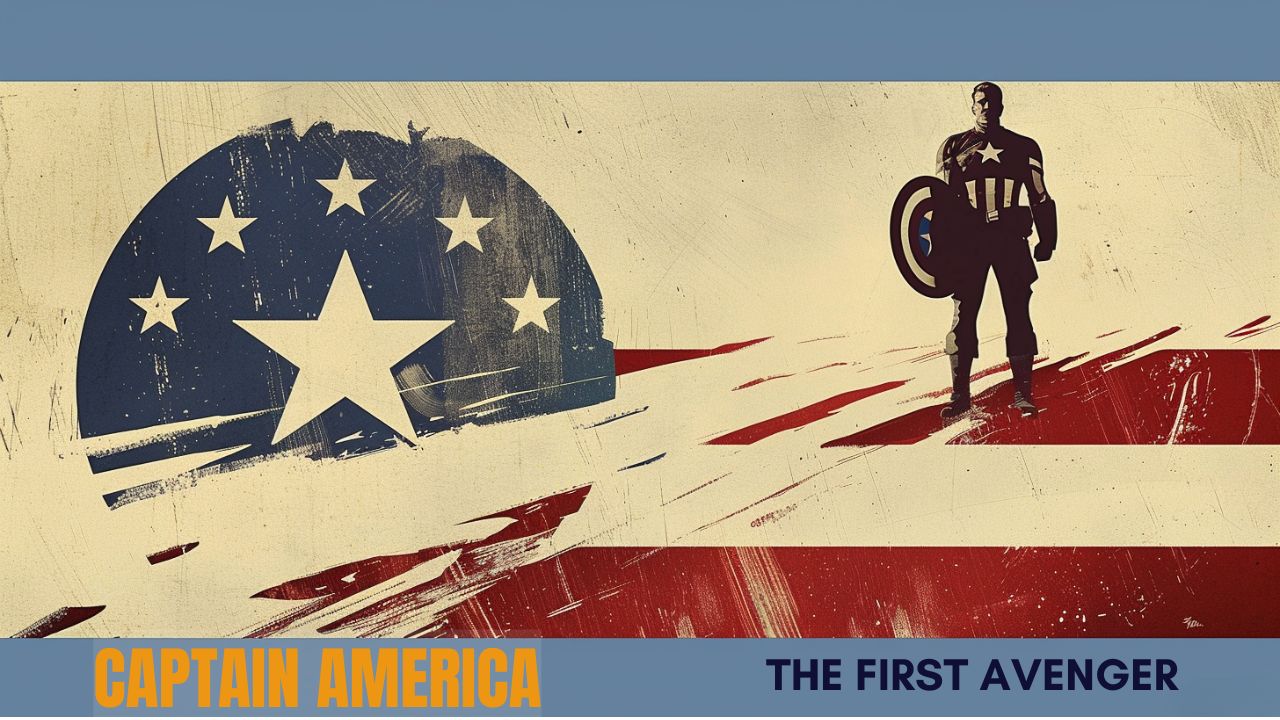
For this day, the film to watch is Captain America: The First Avenger (2011), directed by Joe Johnston.
A superhero in the Stars and Stripes — but the film’s argument is that what makes Steve Rogers Captain America is not the physical transformation, not the strength, not the shield. It is a disposition that existed before any of that: the refusal to walk past someone being bullied. The film connects the flag’s ideals to a specific kind of character, and argues that the character is what matters.
Basic Information & Synopsis
→ For synopsis and production information, see our Database Article
Director: Joe Johnston
Year: 2011
Runtime: 124 minutes
Production: Marvel Studios
Commemorative Day: Flag Day (June 14)
Background Knowledge
The Source Comics and “A Hero Born in Wartime”
Captain America was created by Joe Simon and Jack Kirby and first appeared in 1941 — before the United States formally entered World War II. The character’s debut issue depicted him punching Adolf Hitler on its cover, generating significant public response. The film directly engages with this origin: a character conceived as a wartime morale symbol, in the context of actual wartime history. The question of what that symbol is supposed to represent is built into the premise.
The MCU Position
This is the fifth film in the Marvel Cinematic Universe and the conclusion of Phase 1, leading directly into The Avengers (2012). The Tesseract, a key object in this film, becomes central to The Avengers. The post-credits scene features Nick Fury (Samuel L. Jackson) signaling the formation of the team. Screenwriters Christopher Markus and Stephen McFeely went on to write subsequent Captain America films and the climactic Avengers entries.
Director Joe Johnston and the Retro-Adventure Aesthetic
Johnston’s background is in practical effects and visual effects design; he directed The Rocketeer (1991), which shares this film’s period setting and retrofuturist aesthetic. The 1940s of Captain America — with its war propaganda, USO shows, and HYDRA’s impossible technology — feels simultaneously accurate to its period and touched by the sensibility of classic adventure serials. The warmth and nostalgia of the film’s visual language are directly connected to Johnston’s craft.
How “Thin Steve” Was Made
The scene of Steve Rogers before the serum — physically slight, repeatedly rejected — was technically demanding in reverse of the usual direction. Chris Evans trained intensively to build the physique seen after the transformation; his post-serum body is real. The challenge was making this large, muscular actor look small.
Lola VFX performed digital reduction — a process involving approximately four separate shoots for each scene: full crew, Evans alone on greenscreen, Evans without a body double, and backgrounds only, which were then composited together with Evans digitally reduced. For scenes where Steve is sitting or lying down, Evans’s head was composited onto the body of a slender body double. The film contains approximately 1,600 visual effects shots across thirteen companies. The technical reversal — using advanced technology not to enhance a body but to shrink one — is an apt illustration of the film’s theme: that what matters about Steve Rogers was never his body.
What Makes It Exceptional
The Structure That Shows Steve Before the Serum
The film’s most important structural decision is the time it allocates to Steve before his transformation. The audience spends a significant portion of the film with someone who is physically unimpressive, routinely turned away, and unable to do most of what is asked of him. What the film establishes in this time is who he is — the person who cannot leave an alley brawl because walking away from someone being beaten is not something he can do.
By the time the physical transformation occurs, the audience knows exactly what kind of person is being amplified. The argument the film makes — that Captain America is a character, not a body — is made through structure rather than statement.
The Theme of Self-Sacrifice
The famous training sequence with the grenade. An instructor throws a dummy grenade among the recruits to see who runs. Everyone runs. Steve, the scrawny kid who physically cannot match any of the others, throws himself on it. The grenade is a dud; the test is the reaction. This moment contains the film’s entire thesis: the quality that makes Steve worthy of what Erskine is offering is not strength — it is the automatic willingness to put himself between harm and others.
The film maintains this throughout. The final act is structured entirely around what Steve is willing to give up in service of others. The gesture is not presented as exceptional heroism. It is presented as Steve being, simply, himself.
Peggy Carter as an Equal
Peggy Carter is not designed as a character who requires rescue. She is a capable SSR officer who acts on her own judgment, who can and does pick up a weapon in a crisis, and who evaluates Steve not because he has become extraordinary but because she saw who he was before that. Her assessment of him precedes and is independent of his physical transformation.
Her presence established sufficient interest that she anchored an independent TV series (Agent Carter) — a measure of how fully realized a character she is within the film’s relatively conventional genre context.
The Retrofuturist Art Design
The 1940s setting — wartime Brooklyn, USO stages, European battlefields — is rendered with consistency and warmth. Into this period-accurate environment the film introduces HYDRA’s science-fiction weapons technology, and the two register as coherent rather than discordant. The aesthetic is retro-adventure in the mode of Johnston’s earlier work: familiar enough to feel nostalgic, strange enough to feel alive.
Related Articles
- Captain America: The First Avenger Database – Synopsis & Production Details
- Joe Johnston – Filmmaker Profile
- Chris Evans – Actor Profile
はじめに
星条旗が象徴するものは何か——「強さ」ではなく「弱き者への眼差し」を問う
6月14日は、アメリカ合衆国の「国旗制定日(Flag Day)」です。1777年6月14日、第二回大陸会議が「合衆国の国旗は13本の赤白の縞、青地に13の星をもって新たな星座とする」という国旗制定決議を採択しました。これを記念する日として、1916年にウッドロウ・ウィルソン大統領が6月14日を国旗の日と定める布告を発し、1949年8月にはトルーマン大統領が署名する形で、議会の制定法によって正式に「国旗制定日」として確立されました。連邦の公休日ではありませんが、毎年この日には合衆国大統領が国旗週間(Flag Week)を宣言し、全米で星条旗を掲げることが奨励されています。
国旗制定日が問いかけるのは、一枚の旗が背負う「理念」とは何かということです。星条旗は単なる国家の標章ではなく、自由・平等・公正といった、その国が掲げ続けようとする価値の象徴でもあります。旗が美しく翻るとき、それを掲げる者がどんな理想に忠実であろうとしているのか——この日は、その問いを静かに突きつけます。
この日に観る作品として、2011年公開の**『キャプテン・アメリカ/ザ・ファースト・アベンジャー』**をお薦めします。ジョー・ジョンストン監督が手がけたこのスーパーヒーロー映画は、星条旗を身にまとうヒーローが、いかにして「強さ」ではなく「弱き者への眼差し」によってヒーローたりえたのかという、国旗制定日の核心に通じる問いを、第二次世界大戦を舞台にした骨太な物語として描き出しています。
マーベル・シネマティック・ユニバース(MCU)の第5作にあたる本作は、超人血清で肉体を強化された青年が国民的英雄になっていく王道の物語です。しかしその根底に流れているのは、旗が象徴する理想に、人はどこまで誠実でいられるのかという普遍的なテーマです。痩せ細った身体で何度も入隊を拒まれながら、それでも「いじめられている者を見過ごせない」という一点を貫く主人公の姿は、星条旗が本来掲げるべき価値を問い直す格好の素材になっています。
基本情報・あらすじ
→ あらすじや製作情報はデータベース記事へ
監督: ジョー・ジョンストン
製作年: 2011年
上映時間: 124分
制作: マーベル・スタジオ
記念日: 国旗制定日(6月14日)
予備知識
原作コミックと「戦時下に生まれたヒーロー」
キャプテン・アメリカは、ジョー・サイモンとジャック・カービーによって生み出され、1941年に初登場したマーベルきっての古参ヒーローです。アメリカが第二次世界大戦に正式参戦する前から、その表紙でナチス・ドイツの指導者に拳を打ち込む姿が描かれ、大きな反響を呼びました。本作はこの「戦時下に、戦意高揚の象徴として生まれた」というキャラクターの出自を正面から引き受け、当時の時代背景の中で物語を組み立てています。
MCUにおける位置づけ
本作はマーベル・シネマティック・ユニバースの第5作であり、フェーズ1の締めくくりとして、翌2012年の『アベンジャーズ』へと直接つながる重要な一本です。本作の鍵となる「テッセラクト」は、続く『アベンジャーズ』でも物語の中心を担います。また、エンドクレジット後の場面ではニック・フューリー(サミュエル・L・ジャクソン)が登場し、来たるべきチームの結成を予感させます。脚本はクリストファー・マルクスとスティーヴン・マクフィーリーが手がけ、彼らはのちの『キャプテン・アメリカ』続編や『アベンジャーズ』クライマックス編にも携わっていくことになります。
監督ジョー・ジョンストンと「レトロな冒険活劇」
監督のジョー・ジョンストンは、もともと特撮・視覚効果の出身で、『ロケッティア』(1991年)などで知られる作り手です。1940年代を舞台にした本作では、その持ち味であるレトロフューチャー(過去から見た未来像)的な造形が存分に発揮され、古き良き冒険活劇の手触りを画面全体に与えています。きらびやかなヒーロー映画でありながら、どこか温かみのあるノスタルジックな空気が漂うのは、この監督の資質によるところが大きいといえます。
「虚弱なスティーブ」はいかにして作られたか
本作の見どころの一つが、痩せ細ったスティーブから超人兵士への変身です。CGで作られているのは「ムキムキの肉体」ではなく「痩せた身体」のほうです。クリス・エヴァンスは役作りのため、毎日の高重量トレーニングと高カロリー食でたくましい肉体を実際に作り上げており、変身後の姿こそがエヴァンス本来の身体です。
技術的な課題は、その鍛えた俳優をいかに「貧弱な青年」に見せるかにありました。ジョー・ジョンストン監督は主に二つの技法を用いています。一つは、Lola VFX社による「デジタル整形手術」とも呼べる縮小処理です。もう一つは、エヴァンスの頭部を細身のボディダブルの身体に合成する手法で、座る・横たわるなど動きの少ない場面で用いられました。
本作全体では約1,600の視覚効果ショットが13社に分担して制作されています。鍛えた肉体を最新技術で逆に「縮小」してみせる手法は、「強さとは肉体ではなく精神である」という本作の主題を、映像表現の面から支えています。
優れしている点
「強くなる前のスティーブ」を丁寧に描く構造
本作が一味違うのは、主人公が超人になるまでの時間をたっぷりと使っている点です。痩せ細った身体で何度も拒絶されながら、それでも信念を曲げないスティーブの姿を先に見せることで、観客は「彼が誰であるか」を肉体の変化より先に理解します。だからこそ、力を得た後も彼の本質が一切変わらないことに説得力が生まれる。「キャプテン・アメリカとは肉体ではなく精神のことだ」という本作の主題が、物語の構造そのものによって裏づけられています。
自己犠牲の精神という一貫したテーマ
訓練中、教官が手榴弾を投げ込んで兵士たちの反応を試す有名な場面があります。誰もが身を守るために逃げ出す中、虚弱なスティーブだけが仲間を守るために手榴弾に覆いかぶさろうとします。この一瞬が、彼がヒーローに選ばれる理由のすべてを語っています。本作は、ヒーローの資格を「力」ではなく「他者のために自らを差し出す覚悟」に置き、その一貫した姿勢を最後まで貫きます。
ペギー・カーターという対等な存在
ヒロインのペギー・カーターは、当時としては珍しく、主人公に守られるだけの存在ではありません。SSRの有能な士官として自らの判断で行動し、危機の場面でも臆さず銃を取ります。スティーブを「英雄だから」ではなく「善良な人間だから」評価する彼女の眼差しは、本作の価値観を体現しています。彼女の存在は、のちにドラマ『エージェント・カーター』として独立した物語が紡がれるほど、観客に強い印象を残しました。
レトロフューチャーの美術と世界観
1940年代を舞台にしながら、ヒドラの超兵器など空想科学的な要素を大胆に取り入れた美術設計が見事です。実在した戦時下の風景と、ありえたかもしれない未来技術が違和感なく溶け合い、本作ならではの懐かしくも新しい世界観を作り上げています。