
Choose Your Language / 言語を選択:
Introduction
Gambling Every Time We Eat — How Food Safety in America Fell Apart
June 7 is World Food Safety Day.
On December 20, 2018, the UN General Assembly adopted Resolution 73/250, establishing World Food Safety Day. The first global observance was held on June 7, 2019, with the aim of raising awareness of the risks associated with contaminated food and encouraging efforts to reduce those risks across the entire food chain. The WHO and FAO jointly promote the observance, and under the slogan “Food safety, everyone’s business,” it seeks to reduce the burden of foodborne disease and raise public awareness.
According to WHO estimates, roughly 1.6 million people fall ill every day from unsafe food. The diseases caused by contaminated food range from diarrhea to cancer and number more than 200, with the burden falling disproportionately on children under five. Yet these figures are also the result of problems that the food industry and regulatory agencies failed to address adequately — while knowing about them all along.
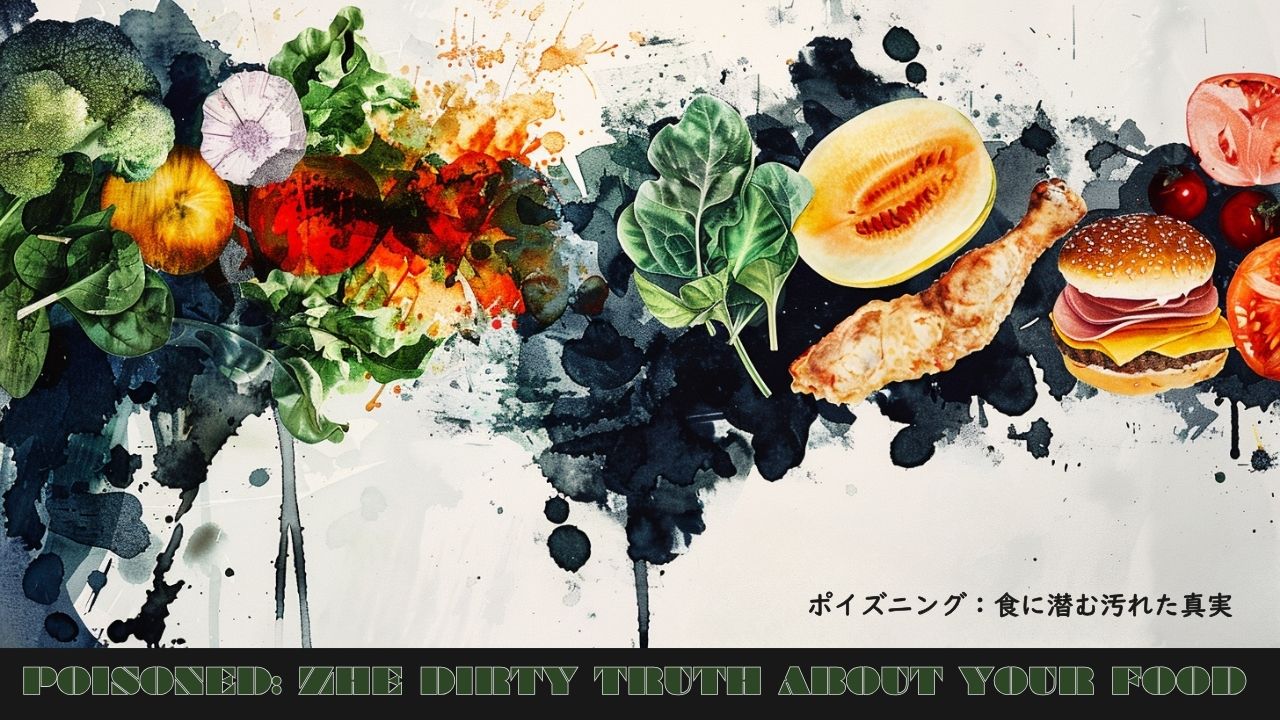
For this day, the film to watch is the 2023 Netflix documentary Poisoned: The Dirty Truth About Your Food, directed by Stephanie Soechtig.
A startling indictment of the food industry and its regulators, the film traces how America’s food supply and its consumers have been left defenseless against deadly pathogens such as E. coli and Salmonella, through decades of indifference and inaction. With as many as 36 foodborne outbreaks occurring every week and 48 million Americans affected each year, does the US food and agriculture industry ever take responsibility for its own failures?
Premiered at the Tribeca Festival in June 2023. Released worldwide on Netflix on August 2, 2023. Runtime 83 minutes. Nominated for Outstanding Current Affairs Documentary at the 45th News & Documentary Emmy Awards. Rotten Tomatoes: 79%. IMDb: 6.8.
Basic Information & Synopsis
→ For synopsis and production information, see our Database Article
Director: Stephanie Soechtig
Year: 2023
Runtime: 83 minutes
Production: Atlas Films, Netflix
Commemorative Day: World Food Safety Day (June 7)
Background Knowledge
The Scale of Foodborne Illness
In the United States, an estimated 48 million people get sick from food each year, 128,000 are hospitalized, and 3,000 die (CDC estimates), with outbreaks occurring at a rate of up to 36 per week. Worldwide, the latest WHO estimates put the figure at 866 million cases annually and about 1.52 million deaths. More than 200 diseases — from diarrheal illness to cancer — arise from food contaminated with bacteria, viruses, parasites, or chemicals, and the burden falls disproportionately on children and on people in low- and middle-income countries. Japan, too, reports tens of thousands of food poisoning cases each year; food safety is by no means a distant problem.
The Director — Stephanie Soechtig
Soechtig studied broadcast journalism at New York University and is a co-founder of the production company Atlas Films. Across Tapped (2009, the bottled-water industry), Fed Up (2014, sugar and obesity, a New York Times Critics’ Pick), Under the Gun (2016, gun control, co-produced with Katie Couric), and The Devil We Know (2018, DuPont and the chemical PFOA), she has consistently centered “the clash between corporate profit and public health.” Poisoned brings that concern into the domain of food safety, foregrounding individual victims while untangling complex institutional and scientific problems.
The Source Material — Jeff Benedict’s Book
The film is based on Jeff Benedict’s 2011 book Poisoned: The True Story of the Deadly E. Coli Outbreak That Changed the Way Americans Eat, with Benedict serving as an executive producer. A journalist who holds a law degree, he drew on confidential documents and exclusive interviews to depict the 1993 Jack in the Box outbreak with the pacing of a medical and legal thriller — reconstructing it from the perspectives of victims’ families, executives, scientists, and the legal teams on both sides.
The Regulatory Problem
US food safety regulation is dispersed across multiple agencies. The FDA and the USDA divide jurisdiction: meat and poultry fall under the USDA, while eggs themselves come under the FDA — so items that end up on the same table are split among different bodies. This tangle blurs where responsibility lies and makes loopholes easy to create. The unease the film conveys — “who is actually protecting us?” — is rooted in this very design.
The Pathogen E. coli O157:H7
E. coli O157:H7, the pathogen at the heart of the case, is transmitted through undercooked ground beef and contaminated produce, causing severe bloody diarrhea. In children and the elderly it can progress to hemolytic uremic syndrome (HUS), leading to kidney failure or death. The Jack in the Box outbreak made American society broadly aware of this danger and of the need to cook hamburgers thoroughly to the center.
What Makes It Exceptional
Victims’ Testimony as the Core
The strongest part of the film is neither statistics nor accusation, but the testimony of the families who were harmed. The words of a parent who lost a young child to kidney failure make you feel, in your body, that “food safety” is tied directly to individual lives. Figures like “48 million” or “3,000” are, precisely because of their scale, hard to feel as real; by narrowing its focus to one family, one child, the film pulls those vast statistics back into living reality. It is when viewers see their own families in the victims on screen that food safety finally becomes personal.
The Indictment of “They Knew”
The industry recognized the problem and failed to act; regulators knew and looked away. Substantiating this “knowing all along” with internal documents and firsthand testimony gives the film the quality of investigative journalism rather than mere accusation. The structure in which an industry figure proudly declares at the outset that America has “the safest food supply in the world,” only to have that claim crumble as the film proceeds, quietly unsettles even the naive trust viewers themselves once held.
A Perspective That Depicts Structure, Not a One-Off Incident
Where many incident-based documentaries dig into a single catastrophe, this film starts from Jack in the Box but layers case upon case — spinach, cantaloupe, chicken, cookie dough — to show that this is not a one-time misfortune but a recurring, structural problem. Rather than merely condemning individual companies, it guides the viewer toward the institutional question of why the same thing has been repeated for 30 years. Compressed into 83 taut minutes, it functions as a “short, sharp indictment” and, in doing so, as a deeper work of social criticism.
Related Articles
- Poisoned Database – Synopsis & Production Details
- Stephanie Soechtig – Filmmaker Profile
はじめに
食べるたびに賭けをしている——アメリカの食の安全が崩壊するまで
6月7日は「世界食の安全デー(World Food Safety Day)」です。
2018年12月20日、国連総会は決議73/250を採択し、世界食の安全デーを制定しました。2019年6月7日に第1回の世界的な記念日が開催され、汚染された食品に関連するリスクへの認識を高め、食品連鎖全体でリスクを低減する取り組みを促すことを目的としています。WHOとFAOが共同で実施を推進し、「食の安全は皆の責任(Food safety, everyone’s business)」というスローガンのもと、食因性疾患の負担軽減と意識向上を目指しています。
WHOの推計では、毎日およそ160万人が安全でない食品によって病気になっています。汚染された食品が引き起こす疾患は下痢からがんまで200種類以上に及び、その負担は5歳未満の子どもに偏って重くのしかかります。しかしこれらの数字は、食品産業と規制機関が「知っていながら」十分な対処を怠ってきた結果でもあります。
この6月7日に観る作品として、ステファニー・ソエチティグ監督による2023年のNetflixドキュメンタリー『ポイズニング:食に潜む汚れた真実』(Poisoned: The Dirty Truth About Your Food)をお薦めします。
食品産業とその規制当局への衝撃的な告発として、本作はアメリカの食料供給と消費者が、大腸菌やサルモネラ菌といった致死的な病原体にいかに無防備なまま晒されてきたかを、数十年にわたる無関心と不作為を通じて描き出します。毎週最大36件の食中毒アウトブレイクが発生し、年間4800万人に影響を与えているアメリカの食品・農業産業は、自らの過ちに責任を取っているのでしょうか。
トライベカ映画祭で2023年6月にプレミア上映。2023年8月2日にNetflixで全世界公開。上映時間83分。第45回ニュース&ドキュメンタリー・エミー賞「優秀時事ドキュメンタリー賞」ノミネート。Rotten Tomatoesで批評家スコア79%。IMDb 6.8。
基本情報・あらすじ
→ あらすじや製作情報はデータベース記事へ
監督: ステファニー・ソエチティグ
製作年: 2023年
上映時間: 83分
制作: Atlas Films、Netflix
記念日: 世界食の安全デー(6月7日)
予備知識
食因性疾患の規模
アメリカでは毎年4800万人が食中毒にかかり、12万8000人が入院、3000人が死亡しています(CDC推計)。アウトブレイクは毎週最大36件のペースで起き続けています。世界に目を向ければ、WHOの最新推計では年間8億6600万件もの食中毒が発生し、約152万人が命を落としています。下痢性疾患からがんに至るまで200種類以上の疾患が、細菌・ウイルス・寄生虫・化学物質に汚染された食品によって引き起こされ、その負担は子どもや低・中所得国の人々に偏っています。日本でも年間数万件の食中毒が報告されており、食の安全は決して遠い問題ではありません。
監督——ステファニー・ソエチティグ
ニューヨーク大学で放送ジャーナリズムを学んだソエチティグは、制作会社アトラス・フィルムスの共同創設者です。『Tapped』(2009、ボトル入り飲料水産業)、『Fed Up』(2014、砂糖と肥満。ニューヨーク・タイムズ批評家のおすすめ)、『Under the Gun』(2016、銃規制。ケイティ・クーリックと共同制作)、『The Devil We Know』(2018、デュポンと化学物質PFOA)と、一貫して「企業の利益と公衆衛生の衝突」を主題に据えてきました。本作『ポイズニング』は、その問題意識を食品安全という領域に持ち込み、被害者個人の物語を前面に置きながら複雑な制度や科学の問題を解きほぐしていきます。
原作——ジェフ・ベネディクトの著書
本作は2011年出版のジェフ・ベネディクトの著書『Poisoned: The True Story of the Deadly E. Coli Outbreak That Changed the Way Americans Eat』を原案とし、ベネディクト自身がエグゼクティブプロデューサーを務めています。法学の学位を持つジャーナリストである彼は、機密文書と当事者への独占インタビューをもとに、1993年のジャック・イン・ザ・ボックス事件を医療・法廷スリラーのような筆致で——被害者家族、企業幹部、科学者、両陣営の弁護団という多様な視点から——再構成しました。
規制の問題
アメリカの食品安全規制は複数の機関に分散しています。FDA(食品医薬品局)とUSDA(農務省)が管轄を分け合っており、食肉や鶏肉はUSDA管轄でも卵そのものはFDA管轄、というように、同じ食卓に並ぶものでも担当省庁が分かれます。この入り組みが責任の所在を曖昧にし、規制の抜け穴を生みやすくしています。本作が描く「誰が守るのかわからない」という不安は、この制度設計そのものに根ざしています。
大腸菌O157:H7という病原体
事件の鍵となった大腸菌O157:H7は、加熱不十分な牛挽肉や汚染された生鮮野菜を介して感染し、激しい血性下痢を引き起こします。とりわけ子どもや高齢者では溶血性尿毒症症候群(HUS)へ進行し、腎不全や死に至ることもあります。ジャック・イン・ザ・ボックス事件は、この病原体の危険性と、ハンバーガーを中心部まで十分に加熱する必要性を、アメリカ社会に広く知らしめる契機となりました。
優れている点
被害者の証言という核心
本作の最も強い部分は、統計でも告発でもなく、被害を受けた家族たちの証言です。腎不全で幼い子を失った親の言葉は、「食の安全」が一人ひとりの命に直結することを体感させます。「4800万人」や「3000人」という数字は、その規模ゆえにかえって実感を伴いません。本作は一つの家族、一人の子どもの物語に焦点を絞ることで、その巨大な統計を血の通った現実へと引き戻します。観客が画面の向こうの被害者に自分や家族を重ねたとき、食の安全はようやく「自分ごと」になるのです。
「知っていた」という告発
産業が問題を認識しながら対処しなかった、規制機関が実態を知りながら見過ごした——この「知っていながら」という構造を、内部文書や関係者の証言で裏付けていく手法は、単なる告発を超えた調査報道の質を持っています。冒頭で業界関係者が「アメリカの食料供給は世界で最も安全だ」と誇らしげに語り、その主張が作品の進行とともに崩れていく構成は、観客自身が抱いていた素朴な信頼をも静かに揺さぶります。
一過性の事件ではなく構造を描く視点
多くの事件ドキュメンタリーが「ある一つの惨事」を掘り下げるのに対し、本作はジャック・イン・ザ・ボックス事件を起点に、ほうれん草、メロン、鶏肉、クッキー生地と事例を重ね、これが単発の不運ではなく「繰り返される構造的な問題」であることを示します。個別企業の過失を糾弾するだけでなく、なぜ同じことが30年間も繰り返されてきたのかという制度論へ観客を導く。83分という凝縮の中で「短く鋭い告発」として機能し、一段深い社会批評になっています。
関連記事
- ポイズニング データベース – あらすじ・製作情報
- ステファニー・ソエチティグ – 監督プロフィール