
Choose Your Language / 言語を選択:
Introduction
A Record of the Dignity and Pride of Men Who Sought to Be Recognized “As Soldiers, As Human Beings” While Fighting Racial Discrimination
July 19 is a day commemorating the assault on Fort Wagner (the Second Battle of Fort Wagner) in the Civil War. On July 18, 1863, near Charleston, South Carolina, the Union army launched an assault on the Confederate fortress of Fort Wagner. Leading the vanguard of this charge was one of the Union’s early Black regiments, the 54th Massachusetts Infantry Regiment. The attack itself ended in failure and produced great sacrifice, but the courage the Black soldiers displayed greatly moved Northern public opinion, decisively pushing forward the subsequent mass enlistment of Black soldiers and the movement toward emancipation.
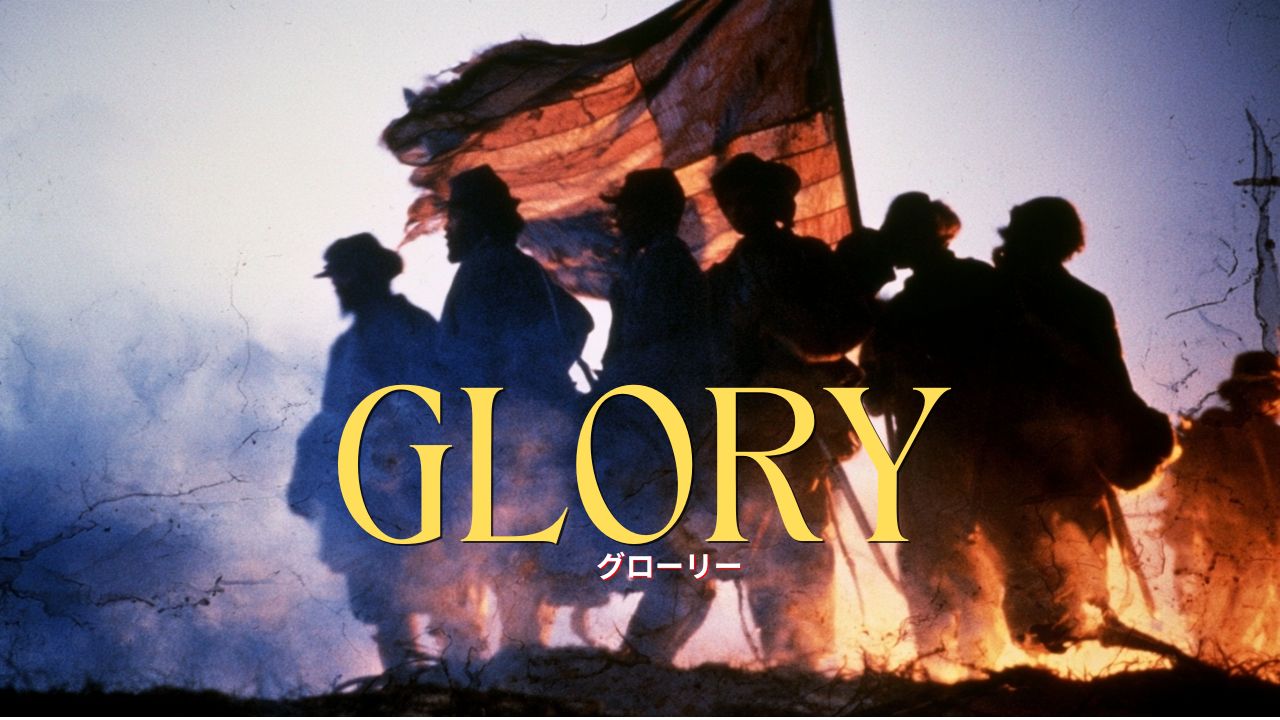
For this day of commemoration, we strongly recommend Edward Zwick’s 1989 film Glory. This is a historical epic depicting exactly this 54th Massachusetts Regiment, from its formation to the fierce charge at Fort Wagner.
The story of the white commander Colonel Robert Gould Shaw, played by Matthew Broderick, and the Black soldiers played by Denzel Washington, Morgan Freeman, and others, goes beyond a mere war film — it is a record of the dignity and pride of men who, while fighting racial discrimination, sought to be recognized “as soldiers, as human beings.” Bringing Denzel Washington the Academy Award for Best Supporting Actor, this film is the finest single work for gazing deeply, on the anniversary of the assault on Fort Wagner, at the meaning of their sacrifice.
Basic Information & Synopsis
→ For synopsis and production information, see our Database Article
Director: Edward Zwick
Year: 1989
Runtime: 122 minutes
Production: TriStar Pictures
Commemorative Day: Anniversary of the Assault on Fort Wagner (July 19)
Synopsis: In 1863, following the Emancipation Proclamation, the 25-year-old Robert Gould Shaw — born to a prominent abolitionist family — is made colonel of the newly formed 54th Massachusetts Infantry Regiment, one of the Union’s first regular regiments of Black soldiers. The men who gather from across the North — free Black men and escaped slaves among them, including the runaway Trip, the gravedigger Rawlins, and the educated Searles — train under white officers and confront discrimination at every turn, from inferior pay to a lack of proper equipment. As Shaw and his men fight to be recognized as equal soldiers, the regiment volunteers to lead the vanguard of the Union charge on Fort Wagner — a battle from which many will not return.
Background Knowledge
What the 54th Massachusetts Infantry Regiment Was
The 54th Massachusetts Infantry Regiment was one of the Union’s early regular regiments in the Civil War, composed of Black soldiers. In 1863, following President Lincoln’s Emancipation Proclamation, it was organized through the efforts of Massachusetts Governor John Andrew. The soldiers were free Black men and escaped slaves gathered from across the North, while the officers who commanded them were white.
The 25-year-old Robert Gould Shaw, born to a prominent family that championed emancipation, led the regiment as colonel. The sons of Frederick Douglass, the abolitionist, also joined this regiment. At the time, whether Black men could fight as soldiers was doubted even in the North, and the success or failure of this regiment carried a heavy significance, one that would sway the evaluation of Black soldiers as a whole.
The Struggle over Equal Pay
The issue of pay, depicted as an important scene in the film as well, is based on historical fact. The Union army initially set the monthly pay of Black soldiers lower than that of white soldiers (whereas white soldiers received 13 dollars a month, Black soldiers, after deductions for expenses, received effectively 10 dollars).
In protest, the soldiers of the 54th Regiment and its sister regiment, the 55th, carried through a resistance in which they would accept no pay at all until equal pay was provided. It was in 1864 that this struggle bore fruit and Congress recognized pay equality. For them, this was not a mere demand for better treatment but a struggle for dignity, seeking to be recognized as soldiers equal to white men.
The Battle of Fort Wagner and Its Aftermath
In the Second Battle of Fort Wagner on July 18, 1863, the 54th Regiment served as the vanguard of the Union charge. After several hours of naval bombardment, in the charge that began at sunset, the regiment reached the fortress walls but was forced to retreat before the fierce resistance of the Confederate army. The Union’s total casualties, prisoners included, reached about 1,500, and many officers and men, Colonel Shaw among them, lost their lives.
The fortress itself did not fall in this direct assault; after a subsequent siege lasting about two months, it finally fell into Union hands in September, in the form of the Confederate army abandoning it. But more important than victory or defeat was the courage the Black soldiers displayed. Sergeant William Carney, who protected the regimental colors through this battle, later became the first African American to receive the Medal of Honor.
What Makes It Exceptional
Denzel Washington’s Soul-Inscribing Performance
The film’s greatest strength is the overwhelming performance of Denzel Washington as the escaped slave Trip. He delicately and powerfully embodies the figure of Trip — who carries a fierce anger and distrust toward white society and refuses to open his heart to anyone — as he changes little by little within the regiment.
Above all, the scene in which he is flogged as punishment for a breach of discipline, and sheds a single tear while enduring the pain, is handed down as a great performance that endures in film history. It is a searing scene in which the old scars of the whip already inscribed on Trip’s back as a slave silently tell of his past. For this performance, Washington won the Academy Award for Best Supporting Actor.
An Honest Perspective That Avoids the “White Savior”
Director Edward Zwick clearly intended, in his direction, not to make this film a story of a “convenient white hero.” While the story takes Colonel Shaw’s perspective as its axis, it depicts each of the Black soldiers not as objects to be saved but as agents fighting of their own will.
Trip, Rawlins, Searles, Sharts — by carefully depicting their human figures, each with a different background and conviction, the film holds together not as “a story of a white man leading Black men” but as “a story of Black soldiers winning their own dignity.” This honest perspective makes the film something more than a mere moving drama.
Balancing Respect for History with Cinematic Completeness
The film was made based on multiple historical sources, beginning with the letters Colonel Shaw actually left behind. From the regiment’s formation and training, through its struggle with discrimination, to the charge at Fort Wagner, it splendidly balances the tension and emotion of a film while respecting historical fact.
The solemn music by James Horner and the Academy Award–winning cinematography by Freddie Francis also elevate the work’s dignity. Without drifting into flashy heroics, it depicts the misery of war and the human dignity displayed within it, with quiet respect.
Related Articles
- Glory Database – Synopsis & Production Details
- Edward Zwick – Filmmaker Profile
- Denzel Washington – Actor Profile
はじめに
人種差別と闘いながら「兵士として、人として認められること」を求めた男たちの、尊厳と誇りの記録
7月19日は、南北戦争におけるフォート・ワグナー攻撃(第二次フォート・ワグナーの戦い)を記念する日です。1863年7月18日、サウスカロライナ州チャールストン近郊で、北軍が南軍の要塞フォート・ワグナーへの攻撃を敢行しました。この突撃の先陣を切ったのが、北軍初期の黒人連隊、第54マサチューセッツ歩兵連隊です。攻撃そのものは失敗に終わり、多大な犠牲を出しましたが、黒人兵たちが示した勇気は北部世論を大きく動かし、その後の黒人兵の大量入隊と、奴隷解放への流れを決定的に後押ししました。
この記念すべき日に観るべき作品として、エドワード・ズウィック監督による1989年の『グローリー』(Glory)を強く推奨します。本作は、まさにこの第54マサチューセッツ連隊の結成から、フォート・ワグナーでの壮絶な突撃までを描いた、歴史大作です。
マシュー・ブロデリック演じる白人指揮官ロバート・グールド・ショー大佐と、デンゼル・ワシントン、モーガン・フリーマンらが演じる黒人兵たちの物語は、単なる戦争映画を超えて、人種差別と闘いながら「兵士として、人として認められること」を求めた男たちの、尊厳と誇りの記録です。デンゼル・ワシントンにアカデミー助演男優賞をもたらした本作は、フォート・ワグナー攻撃記念日に、彼らの犠牲の意味を深く見つめるための、最良の一本です。
基本情報・あらすじ
→ あらすじや製作情報はデータベース記事へ
監督: エドワード・ズウィック
製作年: 1989年
上映時間: 122分
制作: トライスター・ピクチャーズ
記念日: フォート・ワグナー攻撃記念日(7月19日)
あらすじ: 1863年、奴隷解放宣言を受けて、奴隷解放を掲げる名家に生まれた25歳のロバート・グールド・ショーは、北軍初期の黒人正規連隊の一つ、第54マサチューセッツ歩兵連隊の大佐に任じられます。北部各地から集まった兵士たち——自由黒人や逃亡奴隷、なかでも逃亡奴隷トリップ、墓掘りのローリンズ、学のあるサールズら——は、白人将校のもとで訓練を受け、低い給料から装備の不足まで、あらゆる場面で差別に直面していきます。ショーと兵士たちが、対等な兵士として認められるために闘うなか、連隊はフォート・ワグナーへの北軍突撃の先陣を、自らの意志で志願します——多くの者が帰らぬこととなる、その戦いへと。
予備知識
第54マサチューセッツ歩兵連隊とは
第54マサチューセッツ歩兵連隊は、南北戦争における北軍初期の、黒人兵で構成された正規連隊です。1863年、リンカーン大統領による奴隷解放宣言を受けて、マサチューセッツ州知事ジョン・アンドリューの尽力により編成されました。兵士は北部各地から集まった自由黒人や逃亡奴隷であり、指揮官である将校は白人が務めました。
奴隷解放を掲げる名家に生まれた25歳のロバート・グールド・ショーが、大佐として連隊を率いました。奴隷制廃止論者だったフレデリック・ダグラスの息子たちも、この連隊に加わっています。当時、黒人が兵士として戦えるかどうかは北部でも疑問視されており、この連隊の成否は、黒人兵全体の評価を左右する、重い意味を持っていました。
平等な給料をめぐる闘い
映画でも重要な場面として描かれる給料の問題は、史実に基づいています。北軍は当初、黒人兵の月給を白人兵より低く定めていました(白人兵が月13ドルだったのに対し、黒人兵は諸経費を差し引かれて実質10ドル)。
これに抗議し、第54連隊と、その姉妹連隊である第55連隊の兵士たちは、平等な給料が支払われるまで、いかなる給与も受け取らないという抵抗を貫きました。この闘いが実を結び、連邦議会が給与の平等を認めるのは、1864年のことでした。彼らにとって、これは単なる待遇改善の要求ではなく、白人と対等な兵士として認められることを求める、尊厳の闘いだったのです。
フォート・ワグナーの戦いとその後
1863年7月18日の第二次フォート・ワグナーの戦いで、第54連隊は北軍の突撃の先陣を務めました。数時間にわたる艦砲射撃ののち、日没とともに始まった突撃で、連隊は要塞の城壁に取りつきましたが、南軍の激しい抵抗の前に撤退を余儀なくされます。北軍全体の死傷者・捕虜は約1,500名にのぼり、ショー大佐をはじめ多くの将兵が命を落としました。
要塞そのものは、この直接攻撃では落ちず、その後約2か月に及ぶ包囲戦の末、9月に南軍が放棄する形でようやく北軍の手に落ちます。しかし、勝敗以上に重要だったのは、黒人兵たちが示した勇気でした。この戦いで連隊旗を守り抜いたウィリアム・カーニー軍曹は、のちにアフリカ系アメリカ人として初の名誉勲章受章者となっています。
優れている点
デンゼル・ワシントンの魂を刻む演技
本作の最大の優れた点は、逃亡奴隷トリップを演じたデンゼル・ワシントンの、圧倒的な演技です。白人社会への激しい怒りと不信を抱え、誰にも心を開こうとしないトリップが、連隊のなかで少しずつ変化していく姿を、彼は繊細かつ力強く体現しています。
とりわけ、規律違反の罰として鞭打たれる場面で、痛みに耐えながら一筋の涙を流すその表情は、映画史に残る名演として語り継がれています。奴隷として背中にすでに刻まれた古い鞭の痕が、無言のうちにトリップの過去を物語る、痛切な場面です。この演技により、ワシントンはアカデミー助演男優賞を受賞しました。
「白人の救世主」に陥らない誠実な視点
エドワード・ズウィック監督は、本作を「都合のよい白人の英雄」の物語にしないことを、明確に意識して演出しています。物語はショー大佐の視点を軸としながらも、黒人兵たち一人ひとりを、救われる対象ではなく、自らの意志で闘う主体として描いています。
トリップ、ローリンズ、サールズ、シャーツ——それぞれに異なる背景と信念を持つ彼らの人間像が丁寧に描かれることで、本作は「白人が黒人を導く物語」ではなく、「黒人兵たちが自らの尊厳を勝ち取る物語」として成立しています。この誠実な視点が、本作を単なる感動作以上のものにしています。
史実への敬意と映画的完成度の両立
本作は、ショー大佐が実際に遺した書簡をはじめ、複数の史料に基づいて作られています。連隊の編成から訓練、差別との闘い、そしてフォート・ワグナーの突撃に至るまで、歴史的事実を尊重しながら、映画としての緊張感と感動を見事に両立させています。
ジェームズ・ホーナーによる荘厳な音楽、フレディ・フランシスによるアカデミー賞受賞の撮影も、作品の格調を高めています。派手な英雄譚に流れることなく、戦争の悲惨さと、そこで示された人間の尊厳を、静かな敬意をもって描き出しているのです。
関連記事
- グローリー データベース – あらすじ・製作情報
- エドワード・ズウィック – 監督プロフィール
- デンゼル・ワシントン – 俳優プロフィール