
Choose Your Language / 言語を選択:
Introduction
Must One Sacrifice Their Humanity to Become a Genius? A Story That Asks What Truly Matters — Being the Best, or Being Oneself
July 20 is World Chess Day (International Chess Day).
This observance was established to commemorate the founding of the International Chess Federation (FIDE, Fédération Internationale des Échecs) in Paris on July 20, 1924. First celebrated by FIDE in 1966, it was, on December 12, 2019, formally recognized by the UN General Assembly, unanimously, as World Chess Day, falling on July 20.
FIDE’s motto is “Gens una sumus” — Latin for “we are one family.” The UN resolution recognizes that chess transcends borders and racial and political barriers, holding the power to promote education, sustainable development, peace, cooperation, solidarity, and social inclusion. Chess is one of the oldest intellectual and cultural games, one that all people can enjoy equally, beyond barriers of language, age, gender, physical ability, and social status.
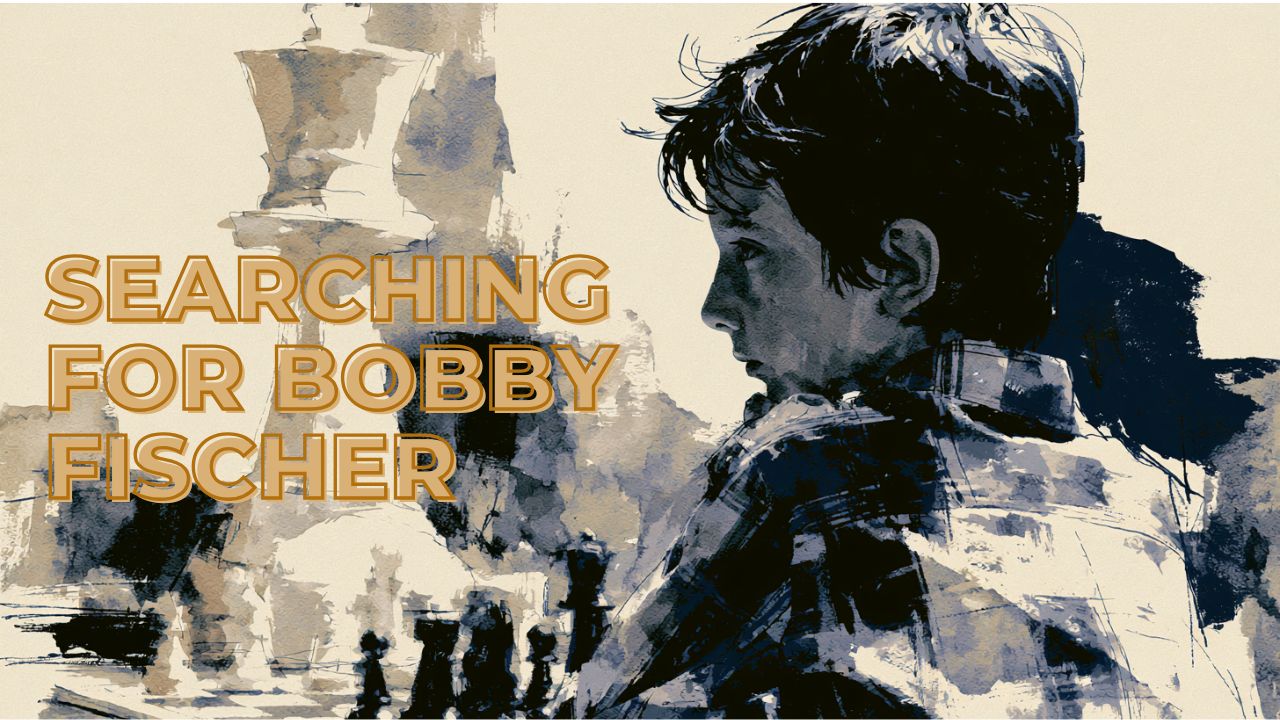
For this special day, we strongly recommend Steven Zaillian’s 1993 film Searching for Bobby Fischer. A deeply moving drama, it is based on the true story of the boyhood of the real chess prodigy Josh Waitzkin.
The story depicts a boy, Josh (Max Pomeranc), who is captivated by chess in New York’s Washington Square Park; his astonishing talent is discovered, and he takes on chess championships under the guidance of a strict coach, Bruce Pandolfini (Ben Kingsley). But this film is not a mere sports movie. It is a story that explores universal themes: the boundary between genius and madness, a father’s ambition and a child’s purity, and win-at-all-costs supremacy versus humanity.
The “Bobby Fischer” of the title is the legendary American chess player who became world champion in 1972. His genius was beyond doubt, but at the same time he was known as a paranoid, isolated figure who ultimately, carrying mental problems, vanished from public view. The film asks: to become a genius, must one sacrifice one’s humanity? To win, must one make one’s heart cold?
By watching this film on World Chess Day, we can deeply understand not only the intellectual appeal of chess but also what this game teaches us about the formation of character, moral growth, and the essential values of life.
Basic Information & Synopsis
→ For synopsis and production information, see our Database Article
Director: Steven Zaillian
Year: 1993
Runtime: 110 minutes
Production: Paramount Pictures
Commemorative Day: World Chess Day (July 20)
Synopsis: Seven-year-old Josh Waitzkin discovers chess among the speed-chess hustlers of New York’s Washington Square Park, where the streetwise Vinnie teaches him to love the game’s daring and joy. When Josh’s astonishing talent emerges, his father Fred, proud and ambitious, engages the strict master Bruce Pandolfini, who trains the boy in a colder, more disciplined style and hopes to shape “the next Bobby Fischer.” As Josh advances toward a national championship, the pressures of his father’s ambition and his coach’s rigor pull against the gentle, generous nature that makes him who he is — and the people around him must decide whether being the best matters more than a boy remaining himself.
Background Knowledge
The Real Prodigy, Josh Waitzkin
Josh Waitzkin is a real person, and this film is based on the nonfiction book of the same name, Searching for Bobby Fischer: The Father of a Prodigy Observes the World of Chess, published in 1988 by his father, Fred Waitzkin.
Waitzkin distinguished himself from boyhood, winning a National Master title at sixteen and later earning the title of International Master (IM).
Interestingly, however, Josh later stepped away from chess and turned to tai chi. He won a world championship in tai chi, and further earned a black belt in Brazilian jiu-jitsu. In 2007 he published a book, The Art of Learning, speaking about the “art of learning” he drew from both chess and the martial arts. The very trajectory of Josh’s career embodies the film’s theme — that being oneself matters more than being the best.
Bobby Fischer, a Legend and a Tragedy
Bobby Fischer (1943–2008), who stands at the center of the film’s title and theme, is the greatest genius in American chess history and also its greatest tragedy.
His age of glory: in 1958 (at fifteen), he became the youngest International Grandmaster in history; in 1972, in Reykjavík, Iceland, he defeated the Soviet Boris Spassky to become world champion — a victory received with fervor across America as a symbolic event of the Cold War era.
His dark age: in 1975, he abandoned the world championship title without defending it; thereafter he vanished from public view for many years; in 1992 he played Spassky again in Yugoslavia (violating American sanctions, for which he was placed on a wanted list); in his later years he repeatedly made anti-American and anti-Semitic remarks, and his mental problems became apparent; he died in Iceland in 2008.
Fischer’s absolute devotion to chess made him the world’s greatest player, but it is also said to have robbed him of normal human relationships, sociability, and mental stability. The film depicts Josh, expected to become “the next Bobby Fischer,” striving nonetheless not to follow in Fischer’s tracks.
Steven Zaillian’s Directorial Debut
Searching for Bobby Fischer is the directorial debut of Steven Zaillian, who had already earned high acclaim as a screenwriter.
Zaillian’s record as a screenwriter: Rain Man (1988), an Academy Award nomination for Best Original Screenplay; Schindler’s List (1993), the Academy Award for Best Adapted Screenplay; and later Gangs of New York (2002), Moneyball (2011), and The Girl with the Dragon Tattoo (2011), among others.
As a director, Zaillian did not have deep knowledge of chess, but he was strongly drawn to the father-son relationship and the conflict of ambition and purity depicted in Fred Waitzkin’s book. In filming the chess games, he devised ways for audiences to understand them emotionally even without knowing the rules. The camera focuses not on the pieces but on the players’ faces, the audience’s reactions, and the tension.
The Casting of Max Pomeranc
The star, Max Pomeranc, was a boy with no acting experience. Producer Scott Rudin and others chose him after touring actual chess tournaments and seeing many children. That Pomeranc himself could play chess also contributed to the film’s reality. His performance was highly praised by many critics. Joy, fear, confusion, resolve — his expressions are all astonishingly true.
Interestingly, the real Josh Waitzkin himself, as well as Bruce Pandolfini himself, took part in the film. Pandolfini served as a technical advisor, supervising the chess positions in the film. Waitzkin’s real mother and sister also make cameo appearances.
The Cinematography of Conrad L. Hall
The cinematographer is the legendary Conrad L. Hall (Butch Cassidy and the Sundance Kid, American Beauty). This film is said to be one of his most beautiful works. Hall shot the Washington Square Park scenes in natural light, visualizing the metaphor of light and darkness in chess through the contrast of dappled sunlight and shadow. In the tournament scenes, he effectively alternated close-ups and long shots to express the loneliness and pressure the children feel. The film’s cinematography was highly praised, winning an American Society of Cinematographers (ASC) award.
Critical and Commercial Reception
Searching for Bobby Fischer was released on August 13, 1993, and achieved great critical success. Critical reception: on Rotten Tomatoes, an extremely high critics’ score of 100%; critics praised it as a delicate, sincere work that could move viewers deeply even without knowledge of chess.
Commercially it did not fare well: a production budget of about 12 million dollars against box-office receipts of about 7.27 million dollars (worldwide — nearly all of it earned in North America, failing to recoup the production cost). A failure by the numbers, the film was nonetheless later widely seen on video, DVD, and streaming, gaining an enduring popularity as “the best chess film” and as “the best father-son film.”
What Makes It Exceptional
The Honest Depiction of the Father-Son Relationship
The film’s greatest strength is that it depicts the father-son relationship honestly, without idealizing it.
Fred is not a bad father. He loves his son, is proud of his talent, and tries to do his best. Yet gradually his love becomes mixed with an obsession over his son’s success. Without even noticing it himself, he begins to place excessive pressure on Josh. Joe Mantegna’s performance splendidly expresses this complexity. His expression holds a mixture of love, pride, anxiety, and at times disappointment. The scene in which Fred reaches out to his son is one of the most moving in the film. He is not perfect, but he admits his mistakes and tries to correct them — and this is the very figure of a true parent.
Ben Kingsley’s Restrained Performance
Ben Kingsley, as Bruce Pandolfini, creates a character who is strict but never one-dimensional. Bruce carries the experience of having once aimed for, but failed to reach, the heights as a chess player, and there is a side of him that projects that feeling onto Josh. Behind his harsh methods of instruction lies an understanding of the harshness of the competitive world.
But as the film progresses, Bruce changes. Rather than trying to force Josh into a mold, he begins to respect the boy’s individuality. In the moment he understands that Josh may be, not “the next Fischer,” but himself, Bruce truly accepts his pupil. Kingsley’s quiet, introspective performance gives this character depth.
Laurence Fishburne’s Warm Presence
Laurence Fishburne, as Vinnie, brings warmth and humanity to the film. Vinnie is a chess hustler who plays for money to make a living, but he holds a pure affection for Josh. He teaches Josh the “joy” of chess — not strategy or calculation, but the beauty and excitement of the game itself.
The relationship between Vinnie and Josh is a true master-pupil bond that transcends class and race. His advice — “Move the pieces. Don’t think.” — is also a message to modern people, who tend to fall into excessive analysis. Fishburne’s performance is powerful and delicate at once. His smile, his encouragement, and the sadness he sometimes shows — all of these make the character of Vinnie unforgettable.
The Tension-Filled Filming of the Chess Games
The film succeeds in turning chess, an essentially static game, into a visually thrilling experience. Director Zaillian and cinematographer Hall use the following techniques.
Close-ups of faces: focusing not on the pieces but on the players’ expressions. Sweat, tension, fear, joy — all appear on the face. Music and silence: James Horner’s score heightens the tension, but in crucial moments stillness reigns, and only the sound of a piece being set on the board rings out. Close-ups of the clock: showing the hands of the chess clock moving, visualizing the pressure of time. Reaction shots of the audience: the tense expressions of the parents, the analytical gazes of the coaches — these give the games an emotional context. Through these techniques, even viewers who do not know the rules of chess can understand the tension and meaning of the games.
Related Articles
- Searching for Bobby Fischer Database – Synopsis & Production Details
- Steven Zaillian – Filmmaker Profile
はじめに
天才になるために、人間性を犠牲にしなければならないのか——「最高であること」より「自分自身であること」を問う物語
7月20日は「国際チェスデー(World Chess Day / International Chess Day)」です。この記念日は、1924年7月20日にパリで国際チェス連盟(FIDE、Fédération Internationale des Échecs)が設立されたことを記念して制定されました。1966年にFIDEによって初めて祝われ、2019年12月12日には国際連合総会が全会一致で7月20日を世界チェスデーとして正式に認定しました。
FIDEのモットーは「Gens una sumus」——ラテン語で「我々は一つの家族である」を意味します。国連の決議は、チェスが国境や人種的・政治的障壁を超越し、教育、持続可能な開発、平和、協力、連帯、社会的包摂を促進する力を持つことを認めています。チェスは言語、年齢、性別、身体能力、社会的地位の壁を越えて、すべての人が平等に楽しめる、最も古い知的・文化的ゲームの一つです。
この特別な日に観るべき作品として、スティーヴン・ザイリアン監督による1993年の『ボビー・フィッシャーを探して』(Searching for Bobby Fischer)を強く推奨します。本作は、実在のチェス神童ジョシュ・ウェイツキンの少年時代の実話を基にした、深く感動的なドラマです。
物語は、ニューヨークのワシントン・スクエア・パークでチェスに魅了された少年ジョシュ(マックス・ポメランク)が、その驚異的な才能を発見され、厳格なコーチ、ブルース・パンドルフィーニ(ベン・キングズレー)の指導を受けながら、チェス選手権に挑む姿を描いています。しかし、本作は単なるスポーツ映画ではありません。それは、天才と狂気の境界線、父親の野心と子どもの純粋さ、勝利至上主義と人間性という、普遍的なテーマを探求する物語です。
タイトルにある「ボビー・フィッシャー」は、1972年に世界チャンピオンとなったアメリカの伝説的チェスプレイヤーです。彼の天才性は疑いようがありませんでしたが、同時に彼は偏執的で孤独な人物として知られ、最終的には精神的な問題を抱えて世間から姿を消しました。映画は問いかけます——天才になるために、人間性を犠牲にしなければならないのか? 勝つためには、心を冷たくしなければならないのか?
国際チェスデーに本作を観ることで、チェスが持つ知的な魅力だけでなく、このゲームが人間形成、道徳的成長、そして人生の本質的な価値について教えてくれることを、深く理解することができるでしょう。
基本情報・あらすじ
→ あらすじや製作情報はデータベース記事へ
監督: スティーヴン・ザイリアン
製作年: 1993年
上映時間: 110分
制作: パラマウント・ピクチャーズ
記念日: 国際チェスデー(7月20日)
あらすじ: 7歳のジョシュ・ウェイツキンは、ニューヨークのワシントン・スクエア・パークの賭けチェスの世界でチェスと出会い、街のハスラー、ヴィニーから、勝負の大胆さとゲームの喜びを教わります。ジョシュの驚異的な才能が現れると、野心的で誇り高い父フレッドは、厳格な師ブルース・パンドルフィーニを招きます。ブルースは、より冷徹で規律ある流儀で少年を鍛え、「次のボビー・フィッシャー」を育てようとします。ジョシュが全米選手権へと勝ち進んでいくなか、父の野心とコーチの厳しさが、彼を彼たらしめている優しく寛大な本質と、せめぎ合っていきます。そして周囲の人々は、「最高であること」が、一人の少年が「自分自身であり続けること」よりも大切なのかを、問われることになります。
予備知識
実在の天才、ジョシュ・ウェイツキン
ジョシュ・ウェイツキンは実在の人物で、本作は彼の父フレッド・ウェイツキンが1988年に出版した同名のノンフィクション本『Searching for Bobby Fischer: The Father of a Prodigy Observes the World of Chess』に基づいています。
ウェイツキンは少年時代から頭角を現し、16歳で全米マスタータイトルを獲得、後に国際マスター(IM)の称号を得ました。
しかし、興味深いことに、ジョシュは後にチェスから離れ、太極拳(タイチー)に転向します。彼は太極拳の世界選手権で優勝し、さらにブラジリアン柔術でも黒帯を取得しました。彼は2007年に『The Art of Learning』という本を出版し、チェスと武道の両方から学んだ「学習の技術」について語っています。ジョシュのキャリアの軌跡そのものが、映画のテーマ——「最高であることよりも、自分自身であることが重要」——を体現しています。
ボビー・フィッシャーという伝説と悲劇
映画のタイトルとテーマの中心にいるボビー・フィッシャー(1943-2008)は、アメリカチェス史上最大の天才であり、最大の悲劇でもあります。
栄光の時代——1958年(15歳)、史上最年少で国際グランドマスター獲得。1972年、レイキャビク(アイスランド)で、ソ連のボリス・スパスキーを破り世界チャンピオンに。この勝利は、冷戦時代の象徴的な出来事として全米で熱狂的に迎えられました。
暗黒の時代——1975年、世界チャンピオンのタイトルを防衛せずに放棄。その後、長年にわたり公の場から姿を消します。1992年、ユーゴスラビアでスパスキーと再戦(アメリカの制裁措置に違反し、指名手配される)。晩年は反米的、反ユダヤ的な発言を繰り返し、精神的な問題が明らかになり、2008年、アイスランドで死去しました。
フィッシャーは、チェスへの絶対的な献身が彼を世界最高のプレイヤーにしましたが、同時に彼から正常な人間関係、社会性、精神的安定を奪ったとも言われます。映画は、ジョシュが「次のボビー・フィッシャー」になることを期待されながらも、フィッシャーの轍を踏まないように努力する姿を描いています。
スティーヴン・ザイリアンの監督デビュー
『ボビー・フィッシャーを探して』は、脚本家として既に高い評価を得ていたスティーヴン・ザイリアンの監督デビュー作です。
ザイリアンの脚本家としての実績——『レインマン』(1988年)でアカデミー脚本賞ノミネート、『シンドラーのリスト』(1993年)でアカデミー脚色賞受賞、後に『ギャング・オブ・ニューヨーク』(2002年)、『マネーボール』(2011年)、『ドラゴン・タトゥーの女』(2011年)など。
監督としてのザイリアンは、チェスについて深い知識があったわけではありませんが、フレッド・ウェイツキンの本に描かれた父と息子の関係、野心と純粋さの葛藤に強く惹かれました。彼は、チェスの試合を撮影する際、観客がルールを知らなくても感情的に理解できるように工夫しました。カメラは駒ではなく、プレイヤーの顔、観客の反応、そして緊張に焦点を当てます。
マックス・ポメランクのキャスティング
主演のマックス・ポメランクは、演技経験のない少年でした。プロデューサーのスコット・ルーディンらは、実際のチェストーナメントを回って多くの子どもたちを見た末に、彼を選びました。ポメランク自身がチェスをプレイできたことも、リアリティに貢献しています。ポメランクの演技は、多くの批評家から高く評価されました。喜び、恐怖、混乱、決意——彼の表情は、すべて驚くほど真実味があります。
興味深いことに、実際のジョシュ・ウェイツキン本人、そしてブルース・パンドルフィーニ本人も映画に参加しています。パンドルフィーニは技術顧問として、映画のチェスの局面を監修しました。ウェイツキンの実母や姉妹もカメオ出演しています。
コンラッド・L・ホールの撮影
撮影監督は、伝説的なコンラッド・L・ホール(『明日に向って撃て!』『アメリカン・ビューティー』)です。本作は、彼の最も美しい作品の一つと言われています。
ホールは、ワシントン・スクエア・パークのシーンを自然光で撮影し、木漏れ日と影のコントラストで、チェスの光と闇のメタファーを視覚化しました。トーナメントのシーンでは、クローズアップと長いショットを効果的に使い分け、子どもたちが感じる孤独と圧力を表現しています。本作の撮影は高く評価され、アメリカ撮影監督協会(ASC)賞を受賞しました。
批評的・商業的評価
『ボビー・フィッシャーを探して』は1993年8月13日に公開され、批評的に大きな成功を収めました。Rotten Tomatoesでは批評家スコア100%という極めて高い評価を得て、批評家たちは、チェスの知識がなくても深く感動できる、繊細で誠実な作品として称賛しました。
商業的には振るいませんでした。製作費は約1,200万ドル、興行収入は約727万ドル(全世界。ほぼ全額が北米での収益で、製作費を回収できなかった)。数字としては失敗でしたが、本作はその後、ビデオやDVD、配信で広く視聴され、「最高のチェス映画」として、また「最高の父子関係映画」として、根強い人気を得ています。
優れている点
父と子の関係の誠実な描写
本作の最大の優れた点は、父と息子の関係を、理想化せずに誠実に描いていることです。
フレッドは悪い父親ではありません。彼は息子を愛し、その才能を誇りに思い、最善を尽くそうとします。しかし、次第に彼の愛は、息子の成功への執着と混ざり合っていきます。彼は自分でも気づかないうちに、ジョシュに過度なプレッシャーをかけ始めます。
ジョー・マンテーニャの演技は、この複雑さを見事に表現しています。彼の表情には、愛、誇り、不安、そして時には失望が混在しています。フレッドが息子に歩み寄るシーンは、映画の中で最も感動的な場面の一つです。彼は完璧ではありませんが、過ちを認め、修正しようとする——これこそが真の親の姿です。
ベン・キングズレーの抑制された演技
ブルース・パンドルフィーニ役のベン・キングズレーは、厳格だが決して一面的ではないキャラクターを創造しています。
ブルースは、かつてチェスプレイヤーとして高みを目指しながらも果たせなかった経験を持ち、ジョシュにその思いを投影しているような側面があります。彼の厳しい指導方法の背後には、勝負の世界の厳しさへの理解があります。
しかし、映画が進むにつれ、ブルースは変化します。彼はジョシュを型にはめようとするのではなく、少年の独自性を尊重し始めます。ジョシュが「次のフィッシャー」ではなく、彼自身であってよいのだと理解する瞬間、ブルースは生徒を真に受け入れたのです。キングズレーの静かな、内省的な演技が、このキャラクターに深みを与えています。
ローレンス・フィッシュバーンの温かい存在感
ヴィニー役のローレンス・フィッシュバーンは、映画に温かさと人間性をもたらしています。
ヴィニーはチェス・ハスラーで、生計を立てるために賭けチェスをしていますが、彼にはジョシュに対する純粋な愛情があります。彼はジョシュにチェスの「喜び」を教えます——戦略や計算ではなく、ゲームそのものの美しさと興奮を。
ヴィニーとジョシュの関係は、階級と人種を超えた真の師弟関係です。「駒を動かせ。考えるな」という彼のアドバイスは、過剰な分析に陥りがちな現代人へのメッセージでもあります。フィッシュバーンの演技は、力強く、かつ繊細です。彼の笑顔、励まし、そして時折見せる悲しみ——これらすべてが、ヴィニーというキャラクターを忘れがたいものにしています。
チェスの試合の緊張感ある撮影
本作は、本質的には静的なゲームであるチェスを、視覚的に興奮する体験に変えることに成功しています。ザイリアン監督とホール撮影監督は、以下の技法を使用しています。
顔のクローズアップ——駒ではなく、プレイヤーの表情に焦点を当てる。汗、緊張、恐怖、喜び——すべてが顔に現れます。音楽と沈黙——ジェームズ・ホーナーのスコアは緊張を高めますが、重要な瞬間では静けさが支配し、駒が盤に置かれる音だけが響きます。時計のクローズアップ——チェスクロックの針が動く様子を映し、時間のプレッシャーを視覚化します。観客の反応ショット——親たちの緊張した表情、コーチたちの分析的な眼差し——これらが試合に感情的な文脈を与えます。
これらの技法により、チェスのルールを知らない観客でも、試合の緊張感と意味を理解できます。
関連記事
- ボビー・フィッシャーを探して データベース – あらすじ・製作情報
- スティーヴン・ザイリアン – 監督プロフィール