
Profile | プロフィール
Born / 生年月日 Volker Schlöndorff, March 31, 1939 | 1939年3月31日 Wiesbaden, Germany | ドイツ・ヴィースバーデン
Occupation / 職業 Film Director, Screenwriter, Producer 映画監督、脚本家、プロデューサー
Nationality / 国籍 German | ドイツ
Known For / 主な活動 The Tin Drum, The Lost Honor of Katharina Blum, Diplomacy 『ブリキの太鼓』『カタリーナ・ブルームの失われた名誉』『パリよ、永遠に』
Biography | 経歴
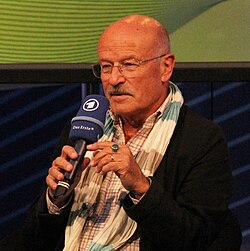
[English] Volker Schlöndorff (b. March 31, 1939, Wiesbaden) is a German film director, screenwriter, and producer, one of the founding figures of the New German Cinema and among the most internationally successful German filmmakers of his generation, celebrated above all as a master of the literary adaptation. Born in Wiesbaden, he moved to France as a teenager, where he was educated at the Lycée Henri IV in Paris and studied film directing at the famed IDHEC film school. He immersed himself in French cinema, working as an assistant director to Louis Malle, Alain Resnais, and Jean-Pierre Melville — an apprenticeship at the heart of the French New Wave that would shape his entire career.
Returning to Germany, Schlöndorff announced himself as a leading talent of the emerging Young German Cinema with his debut feature Young Törless (1966), an adaptation of Robert Musil’s novel that won a prize at Cannes. In 1975 he co-directed, with his then-wife Margarethe von Trotta, The Lost Honor of Katharina Blum, a searing drama about media and state overreach that became a landmark of political filmmaking.
Schlöndorff reached the pinnacle of his career with The Tin Drum (1979), his ambitious adaptation of Günter Grass’s celebrated novel, which won the Palme d’Or at Cannes and became the first German film ever to win the Academy Award for Best Foreign Language Film. He went on to work internationally across Germany, France, and the United States, directing acclaimed literary adaptations and prestige productions including Circle of Deceit (1981), Swann in Love (1984), a celebrated television version of Arthur Miller’s Death of a Salesman (1985) with Dustin Hoffman, and Margaret Atwood’s The Handmaid’s Tale (1990). From 1992 he also served for years as head of the historic Studio Babelsberg near Berlin. His later films continued to grapple with German history and moral conscience, among them The Ninth Day (2004) and the acclaimed chamber drama Diplomacy (2014), about the night the destruction of Paris was averted. Still active into his eighties, Schlöndorff remains one of the towering figures of postwar German cinema.
[日本語] フォルカー・シュレンドルフ(Volker Schlöndorff、1939年3月31日、ヴィースバーデン生まれ)は、ドイツの映画監督・脚本家・プロデューサーで、ニュー・ジャーマン・シネマの創始者の一人であり、同世代のドイツの映画作家のなかで、最も国際的に成功した一人です。とりわけ、文学作品の映画化の名手として称賛されています。ヴィースバーデンに生まれ、10代でフランスへ渡り、パリのリセ・アンリ4世で学び、名高い映画学校IDHECで映画演出を学びました。フランス映画に深く身を浸し、ルイ・マル、アラン・レネ、ジャン=ピエール・メルヴィルの助監督を務めます——フランス・ヌーヴェルヴァーグの中心での、この修業時代が、彼のキャリア全体を形づくることになりました。
ドイツに戻ったシュレンドルフは、ロベルト・ムージルの小説を映画化したデビュー長編『テルレスの青春』(Young Törless、1966)——カンヌで受賞——によって、勃興しつつあった「若いドイツ映画」の主要な才能として名乗りを上げます。1975年には、当時の妻マルガレーテ・フォン・トロッタと共同で『カタリーナ・ブルームの失われた名誉』を監督しました。メディアと国家権力の行き過ぎを描いた、この痛烈なドラマは、政治的な映画製作の金字塔となります。
シュレンドルフは、ギュンター・グラスの名高い小説を野心的に映画化した『ブリキの太鼓』(1979)で、キャリアの頂点に達します。同作はカンヌでパルムドールを受賞し、そしてドイツ映画として史上初めて、アカデミー外国語映画賞を受賞しました。以後、彼はドイツ、フランス、アメリカにまたがって国際的に活動し、高く評価される文学作品の映画化や、格調高い作品を手がけていきます——『偽りの晩餐』(Circle of Deceit、1981)、『スワンの恋』(1984)、ダスティン・ホフマン主演でアーサー・ミラーを映像化した名高いテレビ版『セールスマンの死』(1985)、そしてマーガレット・アトウッドの『侍女の物語』(1990)などです。1992年からは長年にわたり、ベルリン近郊の由緒あるスタジオ・バーベルスベルクの代表も務めました。後年の作品も、ドイツの歴史と道徳的な良心と向き合い続けており、そのなかには『九日目』(The Ninth Day、2004)や、パリの破壊が回避された一夜を描いた、高く評価される密室劇『パリよ、永遠に』(2014)などがあります。80代に入っても現役であり続けるシュレンドルフは、戦後ドイツ映画の巨匠の一人であり続けています。
Selected Filmography | 主なフィルモグラフィ
|
Year / 年 |
Title / 作品 |
Notes / 備考 |
|---|---|---|
|
1966 |
Young Törless / テルレスの青春 |
Feature debut; Cannes FIPRESCI Prize / 監督デビュー、カンヌ国際批評家連盟賞 |
|
1975 |
The Lost Honor of Katharina Blum / カタリーナ・ブルームの失われた名誉 |
Co-dir. Margarethe von Trotta / フォン・トロッタと共同監督 |
|
1979 |
The Tin Drum / ブリキの太鼓 |
Palme d’Or; Academy Award (Foreign Language) / パルムドール、アカデミー外国語映画賞 |
|
1981 |
Circle of Deceit / 偽りの晩餐 |
Shot in Beirut / ベイルート撮影 |
|
1984 |
Swann in Love / スワンの恋 |
From Proust / プルースト原作 |
|
1985 |
Death of a Salesman / セールスマンの死 |
TV; with Dustin Hoffman / TV、ホフマン主演 |
|
1990 |
The Handmaid’s Tale / 侍女の物語 |
From Margaret Atwood / アトウッド原作 |
|
1991 |
Voyager (Homo Faber) / 恋人たちのвремена |
From Max Frisch / マックス・フリッシュ原作 |
|
2004 |
The Ninth Day / 九日目 |
— |
|
2014 |
César – Best Adaptation / セザール脚色賞 |
Filmmaking Style | 作風
[English]
The master adapter. Schlöndorff is, above all, a great interpreter of literature — intellectual, literate, and fluent in several languages, he built his career translating major novels and plays (Grass, Musil, Proust, Miller, Atwood) into rigorous, intelligent, cinematically alive films.
History, politics, and moral conscience. His work returns insistently to the German past — authoritarianism, war, and the legacy of Nazism — and to questions of individual conscience under political pressure, giving even his most literary projects an unmistakable ethical and historical seriousness.
[日本語]
映画化の名手。 シュレンドルフは何よりも、文学の偉大な解釈者です。知的で、教養にあふれ、複数の言語を操る彼は、主要な小説や戯曲(グラス、ムージル、プルースト、ミラー、アトウッド)を、厳密で、知的で、映画として生き生きとした作品へと翻訳することで、そのキャリアを築いてきました。
歴史、政治、そして道徳的な良心。 その作品は、ドイツの過去——権威主義、戦争、そしてナチズムの遺産——へ、そして政治的な圧力のもとでの、個人の良心の問題へと、繰り返し立ち返ります。それが、最も文学的な企画にさえ、紛れもない倫理的・歴史的な重みを与えているのです。
Awards & Honors | 受賞歴
[English] Schlöndorff’s The Tin Drum (1979) won the Palme d’Or at the Cannes Film Festival (shared) and the Academy Award for Best Foreign Language Film — the first German film to win that Oscar. His debut Young Törless won the FIPRESCI Prize at Cannes (1966), and his later Diplomacy (2014) won the César Award for Best Adaptation. Across a career spanning more than six decades, he has received numerous international honors and retrospectives, and, as a leading figure of the New German Cinema and longtime head of Studio Babelsberg, he is recognized as one of the most significant German filmmakers of the postwar era.
[日本語] シュレンドルフの『ブリキの太鼓』(1979)は、カンヌ国際映画祭のパルムドール(同時受賞)と、アカデミー外国語映画賞——ドイツ映画として史上初の受賞——に輝きました。デビュー作『テルレスの青春』はカンヌで国際批評家連盟賞(1966)を受け、後年の『パリよ、永遠に』(2014)はセザール脚色賞を受賞しています。60年を超えるキャリアを通じて、数多くの国際的な栄誉と回顧上映を受けてきた彼は、ニュー・ジャーマン・シネマの主要な担い手として、そして長年スタジオ・バーベルスベルクを率いた人物として、戦後ドイツを代表する、最も重要な映画作家の一人と見なされています。