
Choose Your Language / 言語を選択:
Introduction
The Right to Remain Silent — And What Happens When the Law Meets the Limits of Truth
June 13 is the anniversary of the United States Supreme Court’s decision in Miranda v. Arizona (1966).
On June 13, 1966, the Supreme Court issued its ruling in Miranda v. Arizona (384 U.S. 436), a landmark decision written by Chief Justice Earl Warren on a 5-4 majority. The ruling established that before police may interrogate a person in custody, they must inform them: that they have the right to remain silent; that anything they say may be used against them in court; and that they have the right to an attorney.
The case originated with Ernesto Miranda, an Arizona man who confessed to a crime during police questioning without an attorney present and without being informed of his rights. The Supreme Court found that his Fifth Amendment right against self-incrimination and Sixth Amendment right to counsel had been violated.
Today, “You have the right to remain silent…” has been reproduced thousands of times in American film and television, and the phrase is known to almost everyone. But how the Miranda warning actually functions in a courtroom — how it can be upheld, circumvented, and exploited — is a question that cinema has posed in its sharpest form.
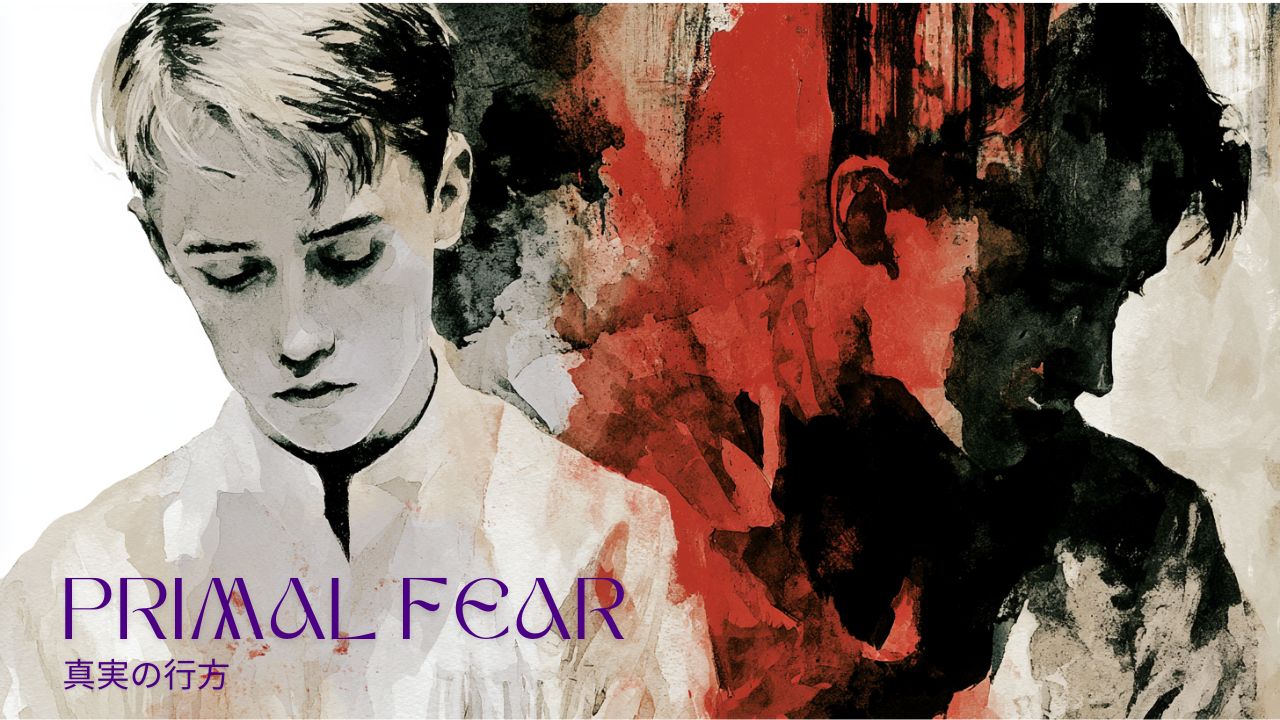
For this day, the film to watch is Primal Fear (1996), directed by Gregory Hoblit.
A beloved Chicago archbishop is brutally murdered. A shy, stammering young man named Aaron (Edward Norton) is found at the scene, covered in blood, and arrested. Martin Vail (Richard Gere), a flamboyant defense attorney who loves the spotlight, volunteers to take the high-profile case. The courtroom becomes a battlefield over “the truth” — but the film’s real question is not what the truth is, but who the law is actually for.
Norton’s film debut. He won the Golden Globe for Best Supporting Actor and received an Academy Award nomination for Best Supporting Actor. Rotten Tomatoes critic score: 78%. Roger Ebert called it “one of the best performances of Richard Gere’s career.”
Basic Information & Synopsis
→ For synopsis and production information, see our Database Article
Director: Gregory Hoblit
Year: 1996
Runtime: 129 minutes
Production: Paramount Pictures
Commemorative Day: Miranda v. Arizona Anniversary (June 13)
Synopsis: Martin Vail, a Chicago defense attorney known for winning impossible cases and for loving the press coverage they generate, takes on the defense of Aaron Stampler — a shy, stuttering altar boy from rural Kentucky, caught fleeing the scene of Archbishop Rushman’s murder. Aaron claims to have blacked out and has no memory of what happened. As Vail builds his case, he discovers that Aaron has a second personality — Roy, violent, controlled, and entirely unlike the frightened boy who was arrested. The trial moves toward its conclusion. And then arrives the film’s final turn, in which the audience learns what Vail has actually been defending.
Background Knowledge
The Miranda Warning and the Meaning of Counsel
What the Miranda decision was designed to protect against was the situation in which a person in custody incriminated themselves because they did not know they had the option not to. To correct the enormous information asymmetry between the power of the state and the isolated individual in a police interrogation, the Court made it mandatory to announce: “You have rights.”
When someone like Aaron is questioned without a lawyer present, any confession obtained is inadmissible in court. But the Miranda warning’s protection of “legal rights” and the actual “revelation of truth” are different problems — and this film presents that contradiction in its most acute form.
Edward Norton’s Debut
This is Edward Norton’s film debut. It is reported that he auditioned with a single tape on which he performed both Aaron and Roy, and was cast immediately. Leonardo DiCaprio was also under consideration. The Golden Globe win and the Academy Award nomination confirm the impact of his performance.
The Director — Gregory Hoblit
Hoblit had built his career directing television series including L.A. Law and NYPD Blue. This was his feature film debut. The television-drama craft he brought to the film — tight dialogue, the accumulation of information, precisely calculated turning points — produces a particular kind of sustained tension.
The Source Novel
The film is based on William Diehl’s 1993 novel of the same name. Diehl specialized in exploring the boundary between law and morality; this was his most prominent work.
What Makes It Exceptional
Edward Norton’s Double Performance
The film’s core is Norton’s alternation between two personalities: Aaron, the frightened, stuttering young man, and Roy, cold, intelligent, and instantaneously different. The switch between them produces something close to a physical shock in the audience.
This is the kind of debut that makes a viewer think: “So this is what talent is.” The film cannot function without this performance. Richard Gere has said that the film’s final scene was “one of the coldest experiences I’ve had on set” — which is exactly the right response.
The Ambivalence of the Defense Attorney’s Role
Vail, as played by Gere, is not a bad lawyer. He has a genuine belief: every defendant has the right to a competent defense, and whether someone is guilty or innocent is not for him to decide. His job is to defend, and he does it with commitment.
But that belief is inverted by the film’s conclusion. The question of how far the principle of “defend every client” should extend — whether there are limits to it, and what those limits cost — is what remains with the audience after the credits. This “lawyer’s dilemma” is the deepest reason to watch this film on the Miranda anniversary.
Laura Linney as the Mirror
Linney’s prosecutor Venable functions as Vail’s counterpart. They inhabit the same legal world, work with the same evidence, and pursue entirely different versions of “the truth.” Her professional doubt and instinct maintain the film’s tension through to its final scene.
Related Articles
- Primal Fear Database – Synopsis & Production Details
- Gregory Hoblit – Filmmaker Profile
- Edward Norton – Actor Profile
はじめに
黙秘権とは何か——法が真実と衝突するとき
6月13日は、1966年にアメリカ最高裁判所が「ミランダ対アリゾナ州判決」(Miranda v. Arizona)を下した日です。
1966年6月13日に決定されたミランダ対アリゾナ州判決(384 U.S. 436)は、アメリカ最高裁判所の画期的な判決です。5対4の多数意見でアール・ウォーレン長官が執筆したこの判決は、警察が容疑者を拘留して尋問する前に、「黙秘権があること」「供述が裁判で不利に使われる可能性があること」「弁護士を依頼する権利があること」を告知しなければならないと定めました。
判決の発端となったのは、アリゾナ州のエルネスト・ミランダという男性が、弁護士の立ち会いなく権利も告知されないまま警察の取調べを受け、自白した事件でした。ミランダはアーチビショップの殺害で有罪判決を受けましたが、最高裁は彼の第5修正条項(自己負罪拒否特権)および第6修正条項(弁護士依頼権)の権利が侵害されたと判断しました。
今日、「You have the right to remain silent…(あなたには黙秘権があります)」という言葉は、アメリカの映画・ドラマで何千回も再現され、誰もが知るフレーズになりました。しかしその言葉が実際の法廷でどのように機能し、どのように裏切られ、どのように利用されるのか——映画はその問いを、最も鮮烈な形で提示します。
この6月13日に観る作品として、グレゴリー・ホブリット監督による1996年の映画**『真実の行方』**(Primal Fear)をお薦めします。
シカゴの人気大司教が惨殺され、血まみれで逃走した内気な少年アーロン(エドワード・ノートン)が容疑者として逮捕されます。スポットライトを愛する辣腕弁護士マーティン・ヴェイル(リチャード・ギア)は、自ら進んでこの高注目案件を引き受けます。法廷は「真実」をめぐる戦場へ——しかし映画が問うのは、「真実とは何か」ではなく「法とは誰のためのものか」です。
エドワード・ノートンの映画デビュー作でもある本作で、ノートンはゴールデングローブ賞主演男優賞を受賞し、アカデミー賞助演男優賞にもノミネートされました。Rotten Tomatoesで批評家スコア78%。ロジャー・エバートは「リチャード・ギアのキャリア最高の演技の一つ」と評しています。
基本情報・あらすじ
→ あらすじや製作情報はデータベース記事へ
監督: グレゴリー・ホブリット
製作年: 1996年
上映時間: 129分
制作: パラマウント・ピクチャーズ
記念日: ミランダ対アリゾナ州判決記念日(6月13日)
あらすじ: シカゴの弁護士マーティン・ヴェイルは、不可能な案件を勝ち取り、その報道を楽しむことで知られる存在です。大司教ラッシュマンが惨殺され、現場近くで逃走するケンタッキー出身の内気な少年アーロン・スタンプラーが逮捕されます。アーロンには事件の記憶がなく、ヴェイルは彼の弁護を引き受けます。調査を進めるうち、アーロンには暴力的で知的な別人格「ロイ」が存在することが明らかになります——そして映画は最終的な転換へと向かいます。その先に、ヴェイルが本当に何を弁護してきたかが明らかになります。
予備知識
ミランダ警告と弁護権の意味
ミランダ判決が保障しようとしたのは、拘留された人間が「知らなかったがゆえに」自分を不利にしてしまう状況を防ぐことです。権力(警察・国家)と個人の間の圧倒的な情報格差を是正するために、「あなたには権利がある」と明示的に告げることを義務付けました。
本作のアーロンのように、弁護士なしに取調べを受けた場合、その自白は法廷で使えません。しかしミランダ警告が「法律的な権利を守ること」と「真実を明らかにすること」は別の問題です——この映画はその矛盾を、最も鮮烈な形で提示します。
エドワード・ノートンのデビュー
本作はエドワード・ノートンの映画デビュー作です。オーディションでは、テープ一本でアーロンとロイ両方の人格を演じ分けて見せ、即座に起用が決まったと言われています。レオナルド・ディカプリオも候補に挙がっていましたが、ノートンが選ばれました。ゴールデングローブ賞主演男優賞受賞、アカデミー賞助演男優賞ノミネートという結果は、この映画における彼の演技の衝撃を証明しています。
グレゴリー・ホブリット監督
テレビシリーズ『L.A.ロー』『NYPD ブルー』などを手がけたホブリットにとって、本作が長編映画デビュー作です。法廷ドラマのテレビ的な手法——緊密な対話、情報の積み重ね、転換点の計算——が映画に独特の緊張感をもたらしています。
原作——ウィリアム・ディール
本作はウィリアム・ディールの同名小説(1993年)を原作としています。ディールは法律と道徳の境界を探求することを得意とした作家で、本作はその代表作です。
優れしている点
エドワード・ノートンの二重演技
本作の核心は、エドワード・ノートンが「アーロン」と「ロイ」という二つの人格を演じ分けることにあります。おどおどとした吃音の青年が、瞬時に冷酷で知的な別人格へと変貌する——その切り替えの鮮烈さは、観客に物理的な衝撃を与えます。
「才能とはこういうものか」と思わせるデビューであり、この演技なしに映画は成立しません。リチャード・ギアが後に「最後のシーンは自分が経験した最も冷える場面の一つだった」と語ったのも頷けます。
弁護士という職業の両義性
リチャード・ギア演じるヴェイルは、「悪い弁護士」ではありません。彼は信念を持っています——すべての被告人は有能な弁護を受ける権利があり、有罪か無罪かは彼が決めることではない、という信念です。
しかしその信念が、映画の結末で逆転します。「すべての被告人を守る」という原則が、どこまで機能すべきかという問いが、エンドロール後も観客の中に残ります。この「弁護士のジレンマ」こそが、本作をミランダ記念日に観る最大の理由です。
ローラ・リニーの「反射板」としての演技
検察官ヴェナブルを演じるローラ・リニーは、ヴェイルの合わせ鏡として機能しています。同じ法曹の世界で、同じ証拠を見ながら、まったく異なる「真実」を追う。彼女の疑念とプロの直感が、映画の緊張を維持する重要な役割を果たしています。
関連記事
- 真実の行方 データベース – あらすじ・製作情報
- グレゴリー・ホブリット – 監督プロフィール
- エドワード・ノートン – 俳優プロフィール