
Choose Your Language / 言語を選択:
Introduction
Those Meant to Protect Were Complicit — The True Story of a Policewoman Who Exposed the Darkness of a UN Peacekeeping Operation
July 30 is the World Day Against Trafficking in Persons, established by the UN General Assembly. Set by UN General Assembly resolution A/RES/68/192, adopted on December 18, 2013, this international day aims to raise awareness of the situation of victims of human trafficking and to promote and protect their rights.
And by a strange coincidence, this day is also National Whistleblower Appreciation Day in the United States. It is a day commemorating July 30, 1778, when the Continental Congress, to protect sailors who had accused a naval superior of misconduct, passed the first whistleblower-protection resolution in American history. This film, depicting the crime of human trafficking and one woman who exposed it from within, is — as its original title The Whistleblower suggests — a work fitting precisely for the day on which these two observances overlap.
Human trafficking is an unmistakable, grave violation of human rights. According to estimates jointly announced in September 2022 by the International Labour Organization (ILO), Walk Free, and the International Organization for Migration (IOM), as of 2021 about 50 million people worldwide are in situations of “modern slavery.” The breakdown is about 27.6 million in forced labor and about 22 million in forced marriage. That amounts to 1 in every 150 people in the world. Moreover, this figure is an increase of about 10 million from the 2016 estimate; far from improving, the situation is worsening.
Of those in forced labor, about 1 in 8 (3.3 million) are children, and more than half of them are victims of commercial sexual exploitation. And the fact that 86% of forced labor occurs in the private sector, and that more than half of its victims are in high-income and upper-middle-income countries, shows that human trafficking is not “a problem of distant poor countries.”
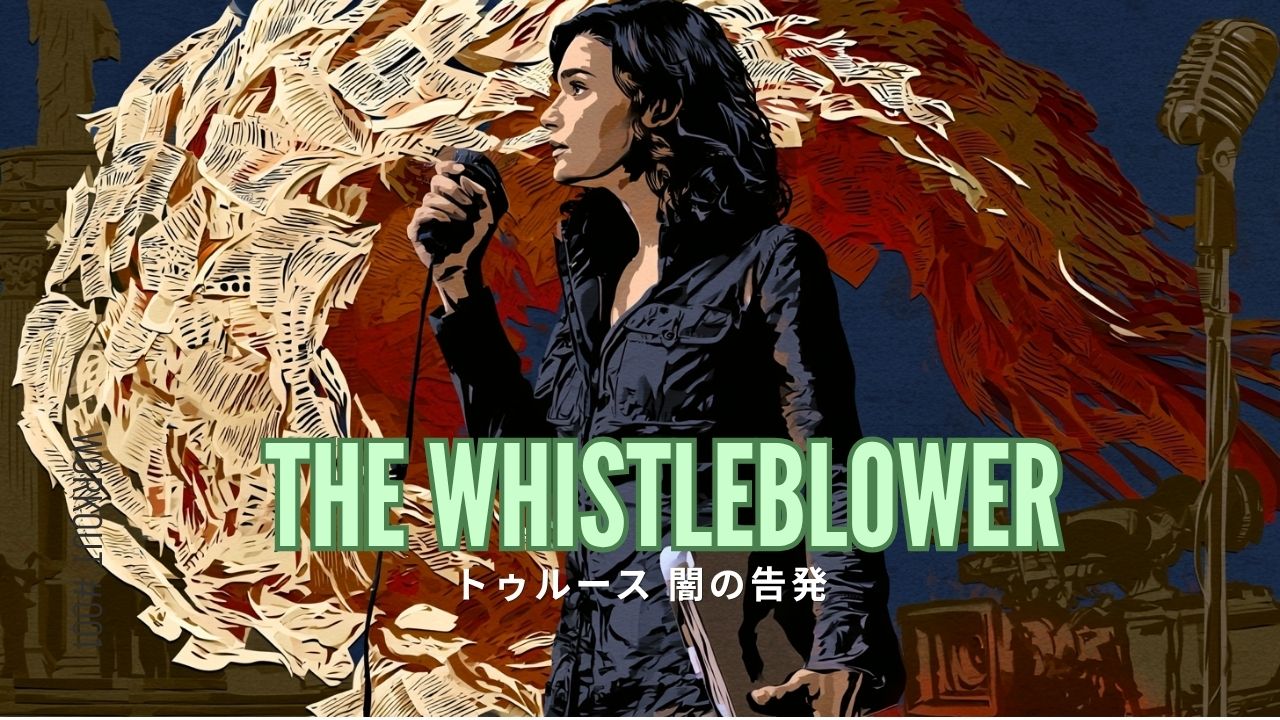
For this day, we recommend Larysa Kondracki’s 2010 film The Whistleblower. This is the true story of Kathryn Bolkovac, an American policewoman engaged in a UN peacekeeping operation in postwar Bosnia and Herzegovina, who uncovered the fact that UN personnel and employees of a private military company were themselves involved in human trafficking, and who exposed it.
What the protagonist, played by Rachel Weisz, confronts is not only a criminal organization. What she faces is the very structure in which people who were supposed to have been dispatched to protect victims become perpetrators, and the organization conceals it. To watch this film on the World Day Against Trafficking in Persons will be an opportunity to think deeply about why this crime is not eradicated, about the failure of institutions, and about the price paid by those who try to correct it.
Basic Information & Synopsis
→ For synopsis and production information, see our Database Article
Director: Larysa Kondracki
Year: 2010
Runtime: 112 minutes
Production: Samuel Goldwyn Films
Commemorative Day: World Day Against Trafficking in Persons / National Whistleblower Appreciation Day (July 30)
Background Knowledge
Kathryn Bolkovac the Person
Kathryn Bolkovac is a real person. Working for the Lincoln Police Department in Nebraska, she joined the international police task force of the UN Mission in Bosnia and Herzegovina in 1999, through the private military company DynCorp International.
What she discovered on the ground was the reality that the company’s employees and UN personnel were involved in human trafficking, buying girls as young as 12 to 15. She reported this to the upper levels, but not only was no action taken — in 2001 she was dismissed on the grounds of “falsifying time records.”
Bolkovac brought a claim of unfair dismissal before a UK employment tribunal and won in 2002. The tribunal found that her dismissal had been retaliation for her whistleblowing. In 2011 she published a memoir recounting this experience, The Whistleblower.
In the film, the name of the employer company is changed to a fictional one, a measure said to be for avoiding litigation risk.
The Long-Standing Problem of Peacekeeping Operations and Sexual Exploitation
The problem this film addresses did not end with the one case in Bosnia. Sexual exploitation and abuse (SEA) in UN peacekeeping operations has since been reported repeatedly in various places, including the Democratic Republic of the Congo, Haiti, and the Central African Republic.
In 2003, the UN Secretary-General put forward a “zero-tolerance policy” on sexual exploitation and abuse. Criticism has continued, however, regarding its effectiveness. The greatest barrier is the difficulty of prosecution, which the film also depicts. Criminal jurisdiction over dispatched personnel rests in principle with the sending country, and the UN itself cannot prosecute perpetrators. If the sending country does not prosecute in earnest, perpetrators are in effect granted impunity.
This structural problem has not been completely resolved even as of 2026.
Director Larysa Kondracki and the Cast
Director Larysa Kondracki is Ukrainian-Canadian. This film is her feature debut. She learned of the Bolkovac case while at university and resolved to make a film of this subject, but fundraising was difficult. From conception to completion, it took fully eight years.
Things began to move once Rachel Weisz agreed to star. Weisz had won the Academy Award for Best Supporting Actress for The Constant Gardener in 2005, and her participation became the decisive factor in realizing the production. As a Canadian-German-American co-production, the film was shot mainly in Romania in 2009.
The supporting cast includes Vanessa Redgrave as UN official Madeleine Rees (modeled on a real person), David Strathairn as a figure in a position to pressure Kathryn, and Monica Bellucci.
What Makes It Exceptional
That It Depicted Not an “Organization of Evil” but “the Failure of a System”
The film’s greatest strength is that it depicts human trafficking not as the crime of individual evildoers but as a structural problem produced by a system.
In subjects of this kind, the structure of a brave protagonist defeating a wicked criminal organization tends to be adopted. But this film’s enemy is a faceless organizational indifference and the mechanism of impunity that supports it. No one behaves as a clear villain; each, while saying “I’m just doing my job” or “it’s a judgment about the big picture,” leaves the girls to their fate as a result.
This way of depicting it is faithful to the reality of actual human trafficking. This crime is not eradicated because the evildoers are strong, but because the mechanism that ought to stop it does not function.
Rachel Weisz’s Restrained Performance
Rachel Weisz plays Kathryn not as a “hero” but as one human being who is gradually driven into a corner.
She did not take up the posting with a special sense of justice. Her motive was money to live with her daughter. That is precisely why her agitation on learning the reality before her, and the working of a conscience that cannot let it pass even so, come across with persuasiveness. The suppressed anger in the scenes of standing up to her superiors, the despair before the evidence, and the quiet acceptance when told of her dismissal — Weisz’s performance, avoiding excessive emotional expression, lends the story a hard-edged realism.
The Restraint of Not Making a “Spectacle” of the Victims
Works dealing with human trafficking are always attended by the danger of the depiction of harm tilting into sensationalism — the problem of excessively depicting scenes of violence or sexual exploitation in order to draw the viewer’s sympathy.
This film carefully avoids that temptation. The harm the girls suffered is clearly conveyed, but the camera does not depict it voyeuristically. Rather, the focus falls on the emptiness left behind after the harm, the girls’ fear when asked to testify, and the reality that even after being taken into protection they are still not safe.
This film sincerely takes on the most difficult challenge in this genre — conveying the gravity of the problem without damaging the dignity of the victims.
Related Articles
- The Whistleblower Database – Synopsis & Production Details
- Larysa Kondracki – Filmmaker Profile
- Rachel Weisz – Actor Profile
はじめに
守るはずの者が加担していた——国連平和維持活動の闇を暴いた女性警官の実話
7月30日は、国連総会により制定された「人身取引反対世界デー」(World Day Against Trafficking in Persons)です。2013年12月18日に採択された国連総会決議A/RES/68/192によって定められたこの国際デーは、人身取引の被害者が置かれた状況への認識を高め、彼らの権利を促進・保護することを目的としています。
そして奇しくもこの日は、アメリカで「内部告発者感謝の日」(National Whistleblower Appreciation Day)でもあります。1778年7月30日、大陸会議が海軍上官の不正を告発した船員たちを守るため、アメリカ史上初の内部告発者保護決議を可決したことにちなむ日です。人身取引という犯罪と、それを内部から告発した一人の女性を描く本作は、原題どおり(The Whistleblower)、この二つの記念日が重なる日にこそふさわしい作品です。
人身取引は、紛れもない重大な人権侵害です。国際労働機関(ILO)、Walk Free、国際移住機関(IOM)が2022年9月に共同発表した推計によれば、2021年時点で世界の約5,000万人が「現代奴隷」の状況に置かれています。その内訳は、強制労働が約2,760万人、強制結婚が約2,200万人。世界の150人に1人が該当する計算です。しかも、この数字は2016年の推計から約1,000万人増加しており、事態は改善どころか悪化しています。
強制労働のうち約8人に1人(330万人)が子どもであり、そのうち半数以上が商業的性的搾取の被害者です。また、強制労働の86%が民間部門で発生し、その被害者の半数以上が高所得国・高中所得国に存在するという事実は、人身取引が「遠い貧しい国の問題」ではないことを示しています。
この日に観るべき作品として、ラリーサ・コンドラキ監督による2010年の『トゥルース 闇の告発』(原題:The Whistleblower)を推薦します。本作は、内戦後のボスニア・ヘルツェゴビナで国連の平和維持活動に従事したアメリカ人女性警官キャサリン・ボルコバックが、国連関係者と民間軍事会社の職員自身が人身取引に関与していた事実を突き止め、告発するまでを描いた実話です。
レイチェル・ワイズが演じる主人公が直面するのは、犯罪組織だけではありません。彼女が対峙するのは、被害者を守るために派遣されたはずの人々が加害者となり、組織がそれを隠蔽するという構造そのものです。人身取引反対世界デーに本作を観ることは、この犯罪がなぜ根絶されないのか、制度の失敗と、それを正そうとする者が払う代償について、深く考える機会となるでしょう。
基本情報・あらすじ
→ あらすじや製作情報はデータベース記事へ
監督: ラリーサ・コンドラキ
製作年: 2010年
上映時間: 112分
制作: サミュエル・ゴールドウィン・フィルムズ
記念日: 人身取引反対世界デー/内部告発者感謝の日(7月30日)
予備知識
キャサリン・ボルコバックという人物
キャサリン・ボルコバックは実在の人物です。ネブラスカ州リンカーン警察に勤務していた彼女は、1999年、民間軍事会社ダインコープ・インターナショナル社を通じて、国連ボスニア・ヘルツェゴビナ・ミッションの国際警察タスクフォースに参加しました。
現地で彼女が発見したのは、同社の職員や国連要員が人身取引に関与し、12歳から15歳という年少の少女たちを買っていた実態でした。彼女はこれを上層部に報告しますが、対応されないばかりか、2001年に「勤務記録の改竄」という理由で解雇されます。
ボルコバックはイギリスの雇用審判所に不当解雇の訴えを起こし、2002年に勝訴しました。審判所は、彼女の解雇が告発への報復であったと認定しています。彼女は2011年、この経験を綴った回想録『The Whistleblower』を出版しました。
映画では雇用主の社名が架空のものに変更されていますが、これは訴訟リスクを避けるための措置とされています。
平和維持活動と性的搾取という積年の問題
本作が扱う問題は、ボスニアの一件で終わりませんでした。国連平和維持活動における性的搾取・虐待(SEA: Sexual Exploitation and Abuse)は、その後もコンゴ民主共和国、ハイチ、中央アフリカ共和国など各地で繰り返し報告されています。
2003年、国連事務総長は性的搾取・虐待に関する「ゼロ・トレランス方針」を打ち出しました。しかし、実効性については批判が続いています。最大の障壁は、本作でも描かれる訴追の困難さです。派遣要員に対する刑事管轄権は原則として派遣国にあり、国連自体は加害者を訴追できません。派遣国が本気で訴追しなければ、加害者は事実上免責されます。
この構造的な問題は、2026年現在も完全には解決されていません。
ラリーサ・コンドラキ監督とキャスト
監督のラリーサ・コンドラキは、ウクライナ系カナダ人。本作が長編デビュー作です。大学在学中にボルコバックの事件を知り、この題材で映画を撮ることを決意しましたが、資金調達は難航しました。企画から完成まで、実に8年を要しています。
事態が動いたのは、レイチェル・ワイズが主演を引き受けてからでした。ワイズは2005年に『ナイロビの蜂』でアカデミー助演女優賞を受賞しており、その参加が製作実現の決定打となります。本作は、カナダ・ドイツ・アメリカの合作として、2009年に主にルーマニアで撮影されました。
共演には、国連職員マデリン・リース役にヴァネッサ・レッドグレイヴ(実在の人物がモデル)、キャサリンに圧力をかける立場の人物にデヴィッド・ストラザーン、モニカ・ベルッチらが名を連ねています。
優れている点
「悪の組織」ではなく「制度の失敗」を描いたこと
本作の最も優れた点は、人身取引を個々の悪人の犯罪としてではなく、制度が生み出す構造的問題として描いたことです。
この種の題材では、勇敢な主人公が邪悪な犯罪組織を打ち破るという構図が採られがちです。しかし本作の敵は、顔の見えない組織的な無関心と、それを支える免責の仕組みです。誰も明確な悪人として振る舞わず、それぞれが「自分の仕事をしているだけ」「大局的判断だ」と言いながら、結果として少女たちを見殺しにしていく。
この描き方は、現実の人身取引の実態に忠実です。この犯罪が根絶されないのは、悪人が強いからではなく、止めるべき仕組みが機能していないからなのです。
レイチェル・ワイズの抑制された演技
レイチェル・ワイズは、キャサリンを「英雄」としてではなく、次第に追い詰められていく一人の人間として演じています。
彼女は特別な正義感を持って赴任したわけではありません。娘と暮らすための資金が動機でした。だからこそ、目の前の現実を知った時の動揺と、それでも見過ごせないという良心の働きが、説得力を持って伝わります。上司に食い下がる場面での抑えた怒り、証拠を前にした時の絶望、そして解雇を告げられた時の静かな受容——過剰な感情表現を避けたワイズの演技が、物語に硬質な現実味を与えています。
被害者を「見世物」にしない節度
人身取引を扱う作品には、被害の描写がセンセーショナリズムに傾く危険が常につきまといます。観客の同情を引くために、暴力や性的搾取の場面を過剰に描いてしまうという問題です。
本作は、その誘惑を注意深く避けています。少女たちの受けた被害は明確に伝わりますが、カメラはそれを覗き見的に描きません。むしろ、被害の後に残された空虚さ、証言を求められる際の少女たちの恐怖、保護されてもなお安全ではない現実に焦点が当てられます。
被害者の尊厳を損なわずに問題の深刻さを伝えるという、このジャンルで最も難しい課題に、本作は真摯に取り組んでいます。