
Choose Your Language / 言語を選択:
Introduction
The Story of a Sniper Who Lived Without Ever Being Given the Chance to Fire — a Tale of “Waiting” for War
On August 2, 1990, roughly 100,000 Iraqi troops crossed the border into Kuwait. Within hours Kuwait City was overrun, and that same day the United Nations Security Council adopted Resolution 660, demanding an immediate and unconditional withdrawal.
On August 7, the United States launched Operation Desert Shield and began deploying forces to Saudi Arabia. The following year, on January 17, 1991, the air campaign began; the ground war opened on February 24, and a ceasefire was declared just 100 hours later, on February 28. For the coalition, the fighting unfolded under overwhelming air superiority and ended before any full-scale ground combat had truly begun.
This war is remembered as “the televised war.” Missile footage streamed to the world in real time, and images from precision-guided munitions were broadcast over and over. Yet for the hundreds of thousands of soldiers deployed in the desert, those six months were an entirely different experience.
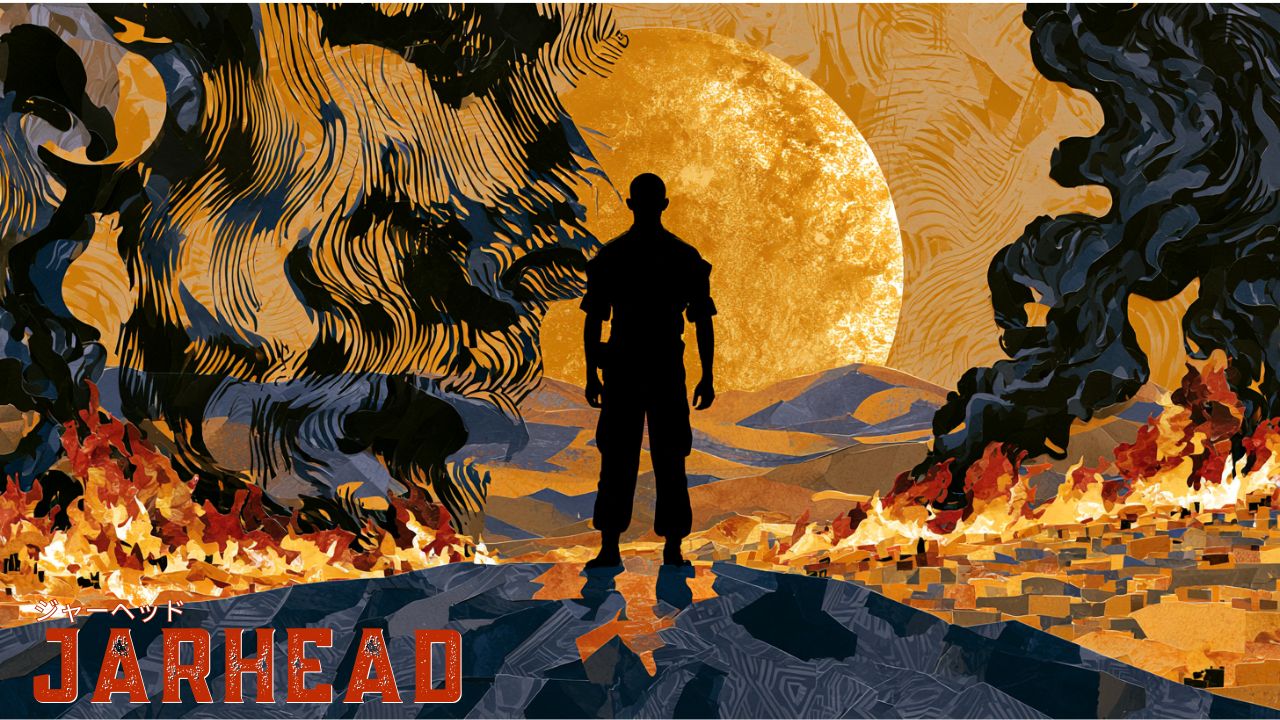
For the film to watch on this day, we recommend Sam Mendes’s 2005 work Jarhead. Adapted from the memoir of Anthony Swofford, who served in the Gulf War as a Marine Corps sniper, it is an unusual war film that depicts not combat itself, but the time spent waiting for combat.
To watch, on “the day the war began,” this film about the emptiness of war becomes an occasion to reexamine what it is we picture when we say the word “war.”
Basic Information & Synopsis
→ For synopsis and production information, see our Database Article
Director: Sam Mendes
Year: 2005
Runtime: 125 minutes
Production: Universal Pictures / Legendary Pictures
Commemorative Day: Anniversary of the Outbreak of the Gulf War (August 2)
Background Knowledge
The Author, Anthony Swofford
Anthony Swofford is a real person. Raised in a family of military men, he went to the Gulf War at the age of twenty. As a Marine Corps scout sniper, he was deployed to Saudi Arabia and Kuwait.
After his discharge, he studied creative writing at university and, in 2003, published his memoir Jarhead. “Jarhead” is a slang term mocking the close-cropped haircut of a Marine.
The book was highly praised for its candid, humor-laced portrait of military life, and became a bestseller. Where conventional war literature had depicted heroic deeds and brutal combat, what Swofford wrote about was boredom, sexual frustration, violence among comrades, and the strange sense of loss that came from having “gone to war without ever making war.” He has continued to write since.
Why Did Iraq Invade Kuwait?
This film explains almost nothing about why the war happened. Yet in thinking about the day the war began as a day of commemoration, it is worth knowing something of the background. The invasion arose from a tangle of several factors.
First, economic hardship. Iraq had expended enormous sums on the Iran–Iraq War, which lasted from 1980 to 1988, and had fallen into severe fiscal distress. It also owed a large debt to Kuwait. Second, conflict over oil. In 1990, when Kuwait and the United Arab Emirates produced crude beyond their OPEC quotas, oil prices plunged. Iraq, dependent on oil revenues, denounced this as “economic warfare” against its own economy. Iraq further claimed that Kuwait was unfairly extracting oil from the Rumaila field along the border. Third, the question of sovereignty. Iraq insisted that “Kuwait is historically part of our own country.” At the root of this claim lay a long-standing dispute over the borders drawn by the great powers at the beginning of the twentieth century.
Oil, debt, borders. Iraq’s invasion arose atop this complex of factors. There is a scene in which the film’s soldiers mutter that “this is a war for oil,” but the real background was far more intricate than that single line.
The Gulf War as an “Invisible War”
The Gulf War differed greatly in character from the wars that had come before.
The coalition, led by the U.S. military, destroyed Iraq’s command systems and infrastructure at the very outset with overwhelming air power and precision-guided munitions. The ground war that followed the bombing ended in 100 hours. American combat deaths fell far below initial forecasts.
At the same time, this war was called the “television war.” CNN broadcast around the clock, and footage from cameras mounted on missiles was aired again and again. Viewers consumed the war through images that looked almost like a game screen. But what the soldiers deployed in the desert experienced was something entirely different. Six months of waiting, scorching heat and sandstorms, the black smoke of oil-field fires, and the sensation of not knowing what they were even there for. Including the fact that many returning veterans later reported the health damage that came to be known as “Gulf War Syndrome,” the true face of this war went long untold.
Sam Mendes and the Production Team
Director Sam Mendes is an English stage director. After success in the theater world he moved into film, winning the Academy Award for Best Director with his debut feature American Beauty (1999). This is his third work.
Screenwriter William Broyles Jr. served himself in the Vietnam War as a Marine Corps officer. Known also for the screenplays of Apollo 13 and Cast Away, he adapted the memoir drawing on his own experience of military service. The cinematographer was Roger Deakins — a master known for The Shawshank Redemption and No Country for Old Men — who here too rendered the light of the desert and the darkness of the oil-field fires into unforgettable images. The editor was Walter Murch and the composer Thomas Newman, each a leading figure in his field.
The film’s reception was divided. Some former Marines criticized it, saying the depiction of the Corps differed from reality, or that its breakdowns of discipline were exaggerated. That said, watched with the film’s aim in mind — to depict the subjective reality experienced by a single enlisted man at the very bottom — the intent behind such depictions comes into view.
What Makes It Exceptional
The Courage to Depict “Nothing Happening”
The most singular thing about this film is that, while a war film, it depicts almost no combat.
An ordinary war film has battle, has sacrifice, has heroic deeds. The audience finds catharsis there. But Jarhead has none of it. The protagonist fires not a single shot, never faces an enemy, and returns home.
This was a great gamble for a commercial film. It did, in fact, draw criticism for being boring. But that is precisely the war Swofford experienced, and the reality that many soldiers experience as well. Most of the time in war is spent waiting. The theme of “a man trained to kill, and never given the chance to kill” illuminates what war does to an individual from an angle quite apart from the depiction of combat.
Jake Gyllenhaal’s Physical Performance
Lead actor Jake Gyllenhaal expresses through his body the process of changing from a young man into a soldier, and then into a man driven to the psychological edge.
For the role he trained his body hard and underwent training conducted by actual Marines. But what is striking in this film is not the trained body itself so much as the way that body comes to have nothing to do. Muscle that is never used, aggression that is never released, tension that has lost its outlet — these accumulate in his expression and bearing. His restrained performance in the scene where he is told the sniping has been called off is especially fine. He does not scream. He simply wears the face of a man who has understood that something has been lost.
Roger Deakins’s Imagery
The work of cinematographer Roger Deakins is central to the film’s artistic achievement.
In the desert scenes, unobstructed light beats down mercilessly on the soldiers. Space with nothing in it all the way to the horizon visualizes their idleness just as it is. By contrast, the oil-field fire scenes possess a nightmarish beauty. Though it is midday the sky is dark, black rain falls, and blazing flames fill the horizon. The scene in which an oil-drenched horse appears conveys in an instant the calamity that war visits not only on human beings but on every living thing. These images speak of what this war was without a single word of political explanation.
Related Articles
- Jarhead Database – Synopsis & Production Details
- Sam Mendes – Filmmaker Profile
- Jake Gyllenhaal – Profile
はじめに
撃つ機会を与えられなかった狙撃兵が生きた、戦争を「待つこと」の物語
1990年8月2日、イラク軍約10万人が国境を越えてクウェートに侵攻しました。数時間のうちにクウェート市は制圧され、国連安全保障理事会は同日、即時無条件撤退を求める決議660を採択します。
8月7日にはアメリカが「砂漠の盾(デザート・シールド)」作戦を発動し、サウジアラビアへの部隊展開を開始。翌1991年1月17日に空爆が始まり、2月24日に地上戦が開始され、そのわずか100時間後の2月28日に停戦が宣言されました。多国籍軍側の戦闘は、圧倒的な航空優勢のもとで進み、地上での本格的な戦闘に至らないまま終結します。
この戦争は「テレビ中継された戦争」として記憶されています。ミサイルの映像がリアルタイムで世界に流れ、精密誘導兵器の映像が繰り返し放映されました。しかし、砂漠に展開した数十万の兵士たちにとって、その半年間はまったく別の経験でした。
この日に観る作品として、サム・メンデス監督による2005年の『ジャーヘッド』(原題:Jarhead)を推薦します。本作は、海兵隊の狙撃兵として湾岸戦争に従軍したアンソニー・スウォフォードの回想録を映画化したもので、戦闘そのものではなく、戦闘を待ち続けた時間を描いた異色の戦争映画です。
「戦争が始まった日」に、戦争の空虚さを描いたこの作品を観ることは、私たちが「戦争」という言葉で何を思い描いているのかを問い直す機会となるでしょう。
基本情報・あらすじ
→ あらすじや製作情報はデータベース記事へ
監督: サム・メンデス
製作年: 2005年
上映時間: 125分
制作: ユニバーサル・ピクチャーズ/レジェンダリー・ピクチャーズ
記念日: 湾岸戦争開戦の日(8月2日)
予備知識
原作者アンソニー・スウォフォード
アンソニー・スウォフォードは実在の人物です。軍人の家系に育ち、20歳で湾岸戦争に従軍しました。海兵隊の偵察狙撃兵として、サウジアラビアとクウェートに派遣されています。
除隊後、彼は大学で創作を学び、2003年に回想録『ジャーヘッド』を出版しました。「ジャーヘッド(瓶頭)」とは、海兵隊員の刈り上げた髪型を揶揄した俗称です。
この本は、軍隊生活を率直かつユーモアを交えて描いた作品として高く評価され、ベストセラーとなりました。従来の戦争文学が英雄的行為や凄惨な戦闘を描いてきたのに対し、スウォフォードが書いたのは、退屈、性的な欲求不満、仲間内の暴力、そして「戦争に行ったのに戦争をしなかった」という奇妙な喪失感でした。彼はその後も執筆を続けています。
なぜイラクはクウェートに侵攻したのか
本作は、この戦争がなぜ起きたのかをほとんど説明しません。しかし、記念日として開戦の日を考えるうえで、その背景を知っておくことには意味があります。侵攻には、いくつかの要因が絡み合っていました。
第一に、経済的な困窮です。イラクは1980年から88年まで続いたイラン・イラク戦争で莫大な戦費を費やし、深刻な財政難に陥っていました。クウェートに対しても多額の債務を抱えていました。第二に、石油をめぐる対立です。1990年、クウェートやアラブ首長国連邦がOPECの生産枠を超えて原油を増産したことで、原油価格が急落しました。石油収入に依存するイラクは、これを自国経済への「経済戦争」だと非難します。加えてイラクは、国境地帯のルメイラ油田をクウェートが不当に採掘していると主張しました。第三に、領有権の問題です。イラクは「クウェートは歴史的に自国の一部である」と主張していました。この主張の根には、20世紀初頭に列強によって引かれた国境線をめぐる、積年の対立がありました。
石油、債務、国境。イラクの侵攻は、そうした複雑な要因の上に起きたものでした。本作の兵士たちが「これは石油のための戦争だ」とつぶやく場面がありますが、現実の背景は、その一言よりも、はるかに込み入っていたのです。
湾岸戦争という「見えない戦争」
湾岸戦争は、それまでの戦争と性格を大きく異にしていました。
米軍を中心とする多国籍軍は、圧倒的な航空戦力と精密誘導兵器によって、イラク軍の指揮系統とインフラを開戦当初に破壊しました。空爆の後に始まった地上戦は、100時間で終結します。米軍の戦死者は、当初の予測をはるかに下回りました。
一方で、この戦争は「テレビ戦争」とも呼ばれました。CNNが24時間態勢で中継し、ミサイルに搭載されたカメラの映像が繰り返し放映されました。視聴者は、まるでゲーム画面のような映像を通じて戦争を消費しました。しかし、砂漠に展開した兵士たちが体験したのは、まったく別のものでした。半年に及ぶ待機、灼熱と砂嵐、油田火災の黒煙、そして自分たちが何のためにそこにいるのか分からないという感覚。多くの帰還兵が後に「湾岸戦争症候群」と呼ばれる健康被害を訴えたことも含め、この戦争の実像は長く語られませんでした。
サム・メンデスと製作陣
監督のサム・メンデスは、イギリス出身の演出家です。演劇界での成功を経て映画に進出し、初監督作『アメリカン・ビューティー』(1999年)でアカデミー監督賞を受賞。本作は彼の3作目にあたります。
脚本を担当したウィリアム・ブロイルズ・Jr.は、自身がベトナム戦争に海兵隊士官として従軍した経験を持ちます。『アポロ13』『キャスト・アウェイ』などの脚本でも知られる彼が、実際の従軍経験を踏まえて回想録を映画化しました。撮影監督はロジャー・ディーキンス。『ショーシャンクの空に』『ノーカントリー』などで知られる名手で、本作でも砂漠の光と油田火災の暗黒を、忘れがたい映像に仕上げています。編集はウォルター・マーチ、音楽はトーマス・ニューマンという、それぞれの分野の第一人者が参加しました。
なお本作の評価は分かれました。一部の元海兵隊員からは、海兵隊の描写が実態と異なる、規律の乱れが誇張されている、といった批判も出ています。もっとも、末端の一兵士が体験した主観的な現実を描くという本作の狙いを踏まえて観ると、その描写の意図も見えてきます。
優れている点
「何も起こらない」ことを描き切った勇気
本作の最も特異な点は、戦争映画でありながら、ほとんど戦闘が描かれないことです。
通常の戦争映画には、戦闘があり、犠牲があり、英雄的行為があります。観客はそこにカタルシスを見出します。しかし『ジャーヘッド』にはそれがありません。主人公は一発も撃たず、敵と対峙することもなく、帰還します。
これは商業映画として大きな賭けでした。実際、退屈だという批判も受けています。しかし、それこそがスウォフォードの経験した戦争であり、多くの兵士が体験する現実でもあります。戦争のほとんどの時間は、待つことに費やされるのです。「殺すために訓練され、殺す機会を与えられなかった男」という主題は、戦争が個人に何をするのかを、戦闘描写とは別の角度から照らし出しています。
ジェイク・ギレンホールの身体的な演技
主演のジェイク・ギレンホールは、青年から兵士へ、そして精神的に追い詰められた男へと変わっていく過程を、身体で表現しています。
役作りのために肉体を鍛え上げ、実際の海兵隊員による訓練を受けました。しかし本作で印象的なのは、鍛えられた身体そのものよりも、その身体が持て余されていく様子です。使われることのない筋肉、放出されない攻撃性、行き場を失った緊張。それらが彼の表情と姿勢に蓄積していきます。とりわけ、狙撃の中止を告げられた場面での抑制された演技は見事です。彼は叫びません。ただ、何かが失われたことを理解した顔をします。
ロジャー・ディーキンスの映像
撮影監督ロジャー・ディーキンスの仕事は、本作の芸術的達成の中核です。
砂漠の場面では、遮るもののない光が兵士たちを容赦なく照らします。地平線まで何もない空間が、彼らの無為をそのまま視覚化します。対照的に、油田火災の場面は悪夢のような美しさを持っています。真昼でありながら空は暗く、黒い雨が降り、燃え盛る炎が地平線を埋めます。石油まみれになった馬が現れる場面は、戦争が人間だけでなくあらゆる生き物に及ぼす災厄を、一瞬で伝えます。これらの映像は、政治的な説明を一切せずに、この戦争が何であったかを語っています。
関連記事
- ジャーヘッド データベース – あらすじ・製作情報
- サム・メンデス – 監督プロフィール
- ジェイク・ギレンホール – プロフィール