
Choose Your Language / 言語を選択:
Introduction
June 9 is International Archives Day.
International Archives Day was established by the International Council on Archives (ICA) to mark the founding of the ICA under the auspices of UNESCO on June 9, 1948. It is a day to consider the role that public records and archives play in a democratic society — the preservation of evidence, the citizen’s right to know, and the relationship between power and accountability.
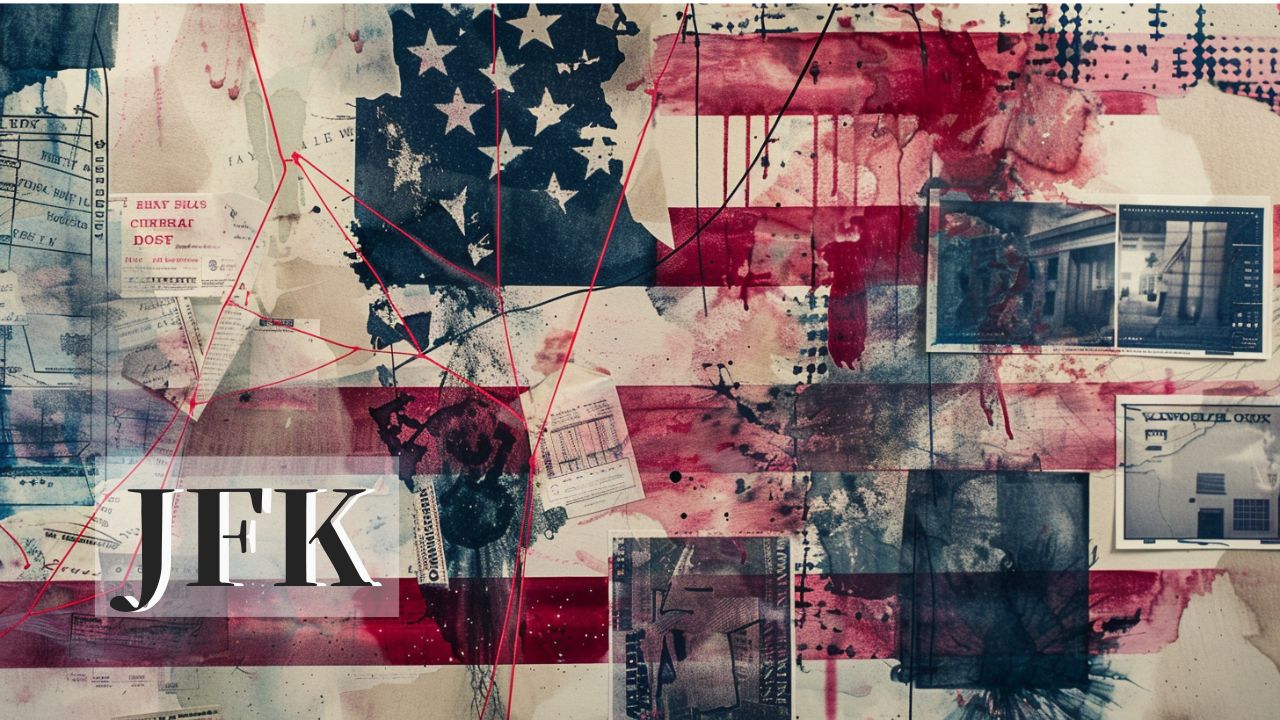
For this day, the film to watch is Oliver Stone’s 1991 epic political thriller JFK.
The assassination of President John F. Kennedy in Dallas on November 22, 1963, and the question of who was truly responsible, has been examined and contested for more than half a century. Through the eyes of New Orleans District Attorney Jim Garrison (Kevin Costner), the only person ever to bring a public prosecution related to the assassination, the film stages a battle over “the truth” — and over how much of that truth official records will ever be allowed to reveal.
With a cast including Kevin Costner, Tommy Lee Jones, Gary Oldman, Joe Pesci, Kevin Bacon, Jack Lemmon, Walter Matthau, and Donald Sutherland, the film was nominated for eight Academy Awards and won two, for Cinematography and Film Editing. Made for $40 million, it grossed $205 million worldwide, the sixth highest of 1991. And its release directly prompted the JFK Records Act of 1992, which mandated the disclosure of documents classified for decades.
Basic Information & Synopsis
→ For synopsis and production information, see our Database Article
Director: Oliver Stone
Year: 1991
Runtime: 188 minutes (Director’s Cut: 206 min)
Production: Warner Bros., Regency Enterprises, Le Studio Canal+
Commemorative Day: International Archives Day (June 9)
Background Knowledge
Oliver Stone’s “Counter-Myth”
Stone has openly described JFK not as a film that declares “this is the truth,” but as a “counter-myth” set against the official account — placing one story beside another so that the viewer is forced to ask which to believe, and whether any single narrative should be swallowed whole. JFK is also the first of his three films on American presidents, followed by Nixon (1995, Anthony Hopkins) and W. (2008, Josh Brolin).
The Source Material
The film was adapted by Stone and Zachary Sklar from Jim Garrison’s On the Trail of the Assassins (1988) and Jim Marrs’s Crossfire: The Plot That Killed Kennedy (1989). Stone bought the rights to Garrison’s book with his own money and spent years researching, working with some two dozen researchers to source key moments from publicly available material.
The Zapruder Film
The Zapruder film — 26 seconds of 8mm footage shot by bystander Abraham Zapruder, capturing the moment of the assassination — appears as central evidence. Long held by Time Inc. and restricted from public view, its prominence in the film helped accelerate the debate over disclosure. Stone paid the Zapruder family $85,000 to use the footage; the story of this single home movie, which became “evidence” worth tens of thousands of dollars and was later treated as a public record by federal law, is itself a story about the boundary between private record and public archive.
The Theatrical Cut and the Director’s Cut
The film exists in a 188-minute theatrical version and a 206-minute director’s cut, into which Stone added some 17 minutes of footage. The existence of these versions reflects how the film keeps handing the viewer more material to weigh, rather than narrowing toward a single verdict.
Reception in Japan
The film was highly regarded in Japan as well, winning the 1993 Japan Academy Film Prize for Best Foreign Language Film and the Mainichi Film Award for Best Foreign Language Film — a sign that a work dealing with the most sensitive corner of American domestic politics was received across borders as a universal question about how far to trust an official story.
What Makes It Exceptional
A Masterclass in Editing and Cinematography
The film’s Oscar-winning editing and cinematography weave together 35mm, 16mm, Super 8, black-and-white, and color, blending genuine documentary footage with dramatized reconstruction. The relentless rhythm makes a runtime of over three hours feel like ninety minutes, immersing the viewer in Garrison’s mounting paranoia. As Roger Ebert observed, the film’s thrust is not toward a tidy truth but toward frustration and anger — the sense that too much has been hidden for certainty ever to be reached.
When Narrative Coherence Becomes Persuasion
The persuasive force the film exerts comes less from the strength of any single piece of evidence than from the “narrative coherence” that binds them into one storyline. People tend to find scattered facts “plausible” once they cohere into a single account — a narrative bias, and a tendency to overvalue tidy explanations. The film amplifies that sense of coherence through editing and music; meanwhile the dull reality of “a lone gunman and a chance event” offers little narrative satisfaction, and the desire for momentous causes behind momentous effects (a proportionality bias) is part of why conspiracy theories find such wide support. To watch JFK is to experience, from the inside, how powerful storytelling can move human judgment — a question that bears directly on how media shapes what audiences believe.
A Film That Changed the Law
JFK is rare among films in producing concrete legislative change. The controversy it generated led directly to the JFK Records Act of 1992 and the eventual release of millions of pages of documents — a vivid demonstration of how a single work of cinema can act upon the public record itself, which is precisely the concern at the heart of International Archives Day.
Related Articles
- JFK Database – Synopsis & Production Details
- Oliver Stone – Filmmaker Profile
- Kevin Costner – Actor Profile
はじめに
公文書が語ること、語らないこと——ケネディ暗殺の真実を求めた男の記録
6月9日は「国際公文書館の日(国際アーカイブズデー)」です。
国際アーカイブズデーは、1948年6月9日にユネスコの後援のもとで国際公文書館会議(ICA)が設立されたことを記念して制定されました。公文書とアーカイブが民主主義社会で果たす役割——証拠の保存、市民の知る権利、そして権力と説明責任の関係——を考える日です。
この6月9日に観る作品として、オリヴァー・ストーン監督による1991年の大作政治スリラー『JFK』をお薦めします。
1963年11月22日、ダラスで起きたジョン・F・ケネディ大統領暗殺事件と、その「真の責任者は誰か」という問いは、半世紀以上にわたって検証され、争われ続けてきました。本作は、暗殺をめぐって唯一公的な訴追を起こしたニューオーリンズ地方検事ジム・ギャリソン(ケヴィン・コスナー)の視点から、「真実」をめぐる戦いを——そして、その真実を公的記録がどこまで明らかにすることを許すのかを——描き出します。
ケヴィン・コスナー、トミー・リー・ジョーンズ、ゲイリー・オールドマン、ジョー・ペシ、ケヴィン・ベーコン、ジャック・レモン、ウォルター・マッソー、ドナルド・サザーランドらが出演。アカデミー賞8部門にノミネートされ、撮影賞と編集賞の2部門を受賞しました。製作費4000万ドルに対し全世界で2億500万ドルを稼ぎ、1991年の世界興行収入第6位を記録。そして本作の公開が直接の契機となり、1992年にJFK暗殺記録収集法(JFK Records Act)が成立し、数十年にわたり機密指定されてきた文書の公開が義務付けられました。
基本情報・あらすじ
→ あらすじや製作情報はデータベース記事へ
監督: オリヴァー・ストーン
製作年: 1991年
上映時間: 188分(ディレクターズカット:206分)
制作: ワーナー・ブラザース、リージェンシー・エンタープライズ、ル・スタジオ・カナル+
記念日: 国際アーカイブズデー(6月9日)
予備知識
オリヴァー・ストーンの「カウンター・神話」
ストーンは本作を、「これが真実だ」と断定する映画ではなく、公式見解に対置される「カウンター・神話(対抗神話)」だと公言しています——一つの物語にもう一つの物語を並べることで、観客に「どちらを信じるか」、そして「そもそも一つの物語を鵜呑みにしてよいのか」を考えさせるのです。本作はストーンが「アメリカ大統領」を題材にした3部作の第1作にあたり、この後『ニクソン』(1995年、アンソニー・ホプキンス)、『ブッシュ』(2008年、ジョシュ・ブローリン)へと続きます。
原作
本作はジム・ギャリソンの『On the Trail of the Assassins』(1988年)と、ジム・マーズの『Crossfire: The Plot That Killed Kennedy』(1989年)を、ストーンとザカリー・スクラーが脚色したものです。ストーンはギャリソンの著書の権利を自費で購入し、約24人の調査員とともに数年を費やして、重要な場面の多くを公開資料から裏付けていきました。
ザプルーダー・フィルム
映画の中心的な証拠として登場するザプルーダー・フィルムは、一般市民アブラハム・ザプルーダーが8ミリカメラで偶然撮影した26秒の映像で、暗殺の瞬間をとらえています。長年タイム社が所有し一般公開が制限されていましたが、本作への収録が文書公開の議論を加速させました。ストーンはこの映像の使用のためにザプルーダー家へ8万5千ドルを支払っています。一市民の偶然のフィルムが、数万ドルの価値を持つ「証拠」となり、やがて連邦法によって公的記録として位置づけられていく——この一本のフィルムの来歴自体が、私的な記録と公的なアーカイブの境界をめぐる物語になっています。
劇場版とディレクターズカット
本作には188分の劇場公開版と、ストーンが約17分の映像を加えた206分のディレクターズカットがあります。これらの版の存在は、本作が「単一の結論へと絞り込む」のではなく「観客に判断材料を次々と手渡していく」構造を持っていることを物語っています。
日本での評価
本作は日本でも高く評価され、1993年に日本アカデミー賞最優秀外国作品賞、毎日映画コンクール外国語映画賞を受賞しています。アメリカの国内政治の最も繊細な部分を扱った作品でありながら、国境を越えて「公式の物語をどこまで信じるべきか」という普遍的な問いとして受け止められたことを示しています。
優れている点
編集と撮影の妙
アカデミー賞を受賞した編集と撮影は、35ミリ、16ミリ、スーパー8、白黒、カラーを織り交ぜ、本物の記録映像とドラマ的再現を融合させています。畳みかけるようなリズムは3時間超の上映時間を90分のように感じさせ、観客をギャリソンの募りゆく疑念の中へと引き込みます。ロジャー・エバートが指摘したように、本作の推進力はきれいな真実へ向かうのではなく、苛立ちと怒りへ向かう——あまりに多くが隠され、確実なことには決して到達できないという感覚へと向かっていきます。
「物語の一貫性」が説得力に変わるとき
本作が観客に与える説得力は、個々の証拠の強さよりも、それらを一本の筋に束ねる「物語の一貫性」から生まれています。人は、ばらばらの事実が一つの筋書きに収まると、それを「もっともらしい」と感じやすい——ナラティブ・バイアスや、つじつまの合う説明を過大評価する傾向です。映画は編集と音楽でこの一貫性の感覚を増幅します。一方で「単独犯による偶発的な事件」という退屈な現実は物語としての満足を与えにくく、重大な結果には重大な原因があってほしいという欲求(比例性バイアス)も、陰謀論が広く支持される一因です。本作を観ることは、優れた語りがいかに人の判断を動かすか——その仕組みを内側から体験することでもあり、メディアが消費者の認識をどう形づくるかという問いに直結します。
法を変えた映画
『JFK』は、具体的な立法上の変化をもたらした稀有な映画です。本作が生んだ論争は、1992年のJFK暗殺記録収集法の成立と、その後の数百万ページに及ぶ文書公開へと直接つながりました。一本の映画が公的記録そのものに働きかけうることを鮮やかに示した事例であり、それはまさに国際アーカイブズデーの核心にある問題でもあります。
関連記事
- JFK データベース – あらすじ・製作情報
- オリヴァー・ストーン – 監督プロフィール
- ケヴィン・コスナー – 俳優プロフィール